 ALERT
ALERT
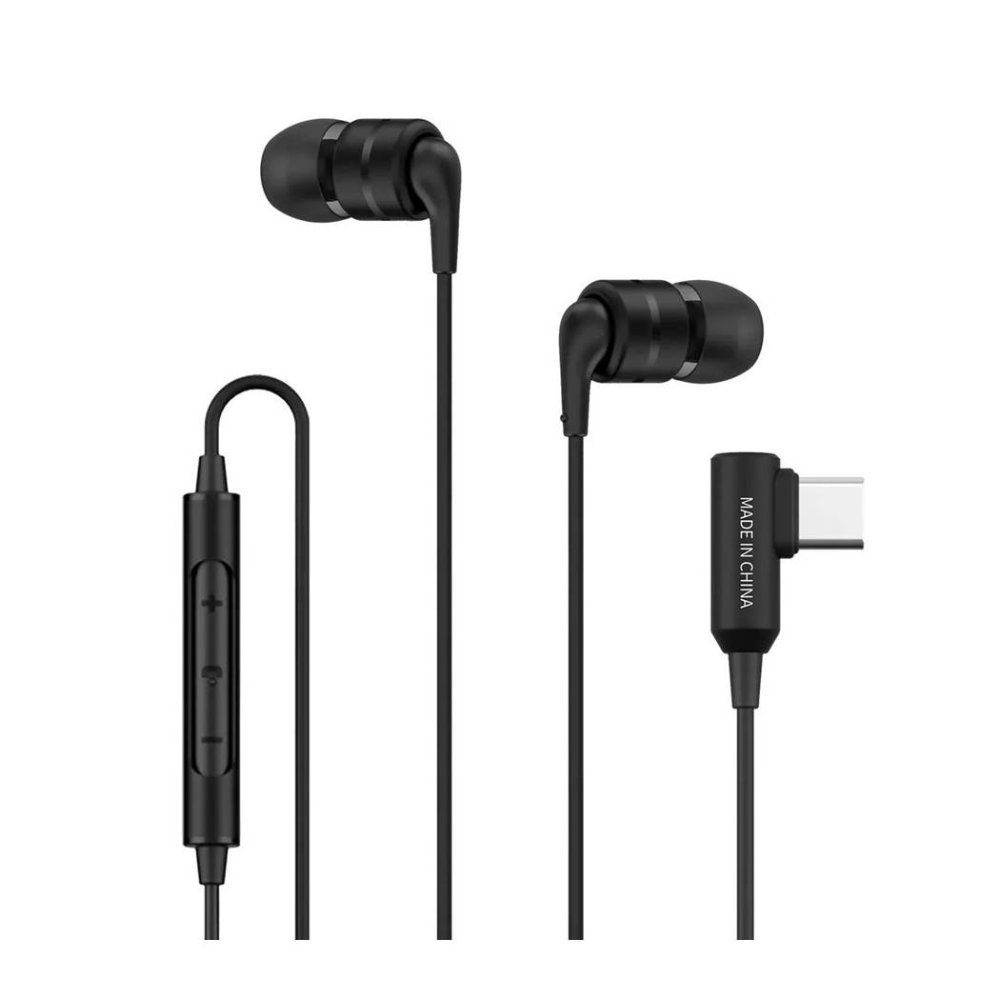
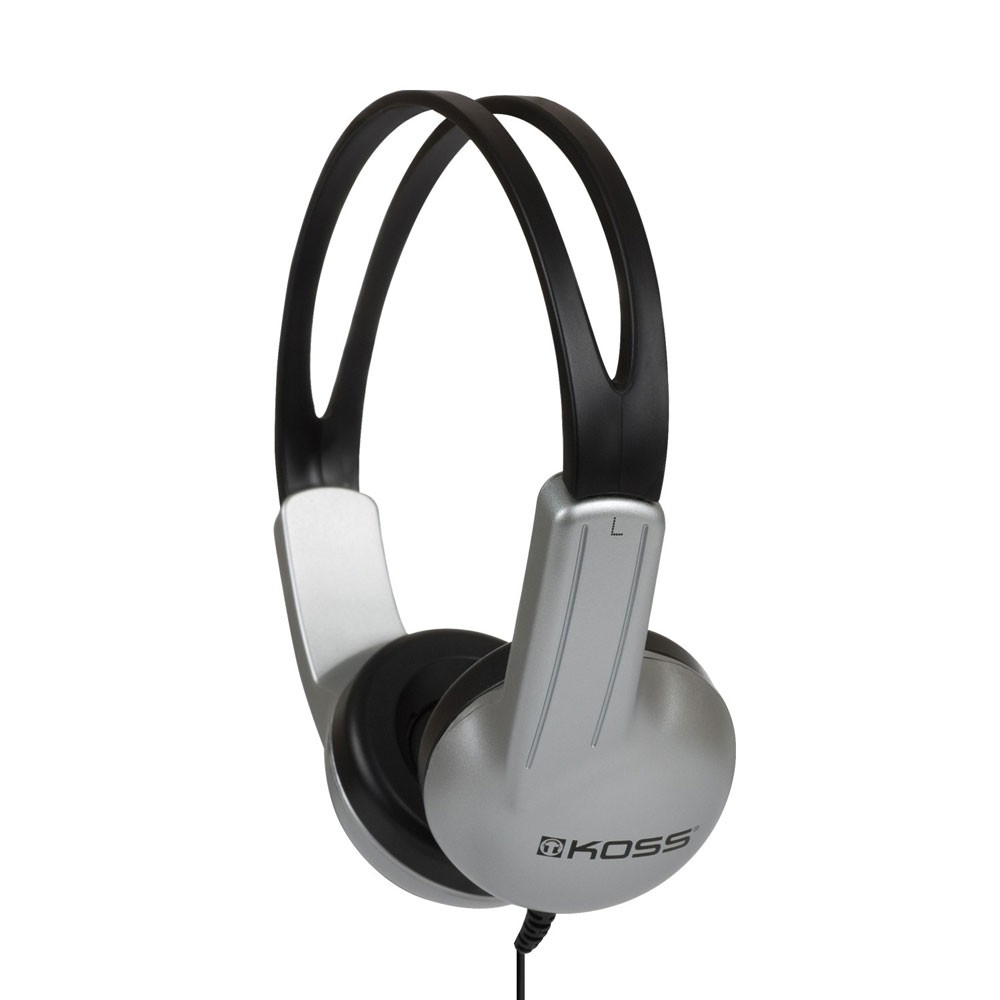
SoundMAGIC E80D vs Koss ED1TC
Advertisement
| Specification | ||
|---|---|---|
| Price | Rs.4,562.00 |
Rs.4,700.00 |
| Brand | SoundMAGIC |
Koss |
| Model No | E80D |
ED1TC |
| Wired / Wireless | Wired Headphone Specification |
Wired Headphone Specification |
| Headphone Type | In Ear |
On Ear |
| Magnet Type | Dynamic / Neodymium |
Neodymium |
| Driver Diameter | 10 mm |
NA |
| Impedance | 64±10% Ohms |
32 Ohms |
| Sensitivity | 104dB±2dB |
98 dB/mW |
| Frequency Response | 15 Hz - 22KHz |
100 Hz - 20000 Hz |
| Maximum Power Input | 20 mW |
NA |
| Noise Cancelling | Sound Isolation |
NA |
| Available Colors | Black, Silver |
Grey |
| Connector Plating | USB Type-C |
3.5 mm Gold Plated Jack |
| Cable | Tangle-Resistant Copper Cable |
1.2 m |
| Weight | 16 GM |
NA |
| Other Features | 10mm dynamic drivers deliver unmatched clarity. Equipped with USB Type-C connector with inbuilt DAC. Crafted from durable aluminium with a hand-painted finish. Ergonomic design and noise isolation ensure immersive sound. Precision cable and remote/microphone for easy management. |
- Durable commercial and institutional headphone - Plastic ear cups for convenient cleaning - Durable design for multiple users, young and old - 4-foot cord and 3.5mm plug - Covered under the Koss Stereo phones Limited Lifetime Warranty |
Advertisement
Compare SoundMAGIC E80D with:
Top Differences
- Noise Cancelling: NA vs Sound Isolation
- Driver Size: NA vs 10 mm
- Weight: NA vs 16 GM
- Impedance: 32 Ohms Vs 64±10% Ohms
Advertisement