 ALERT
ALERT
Sony WH-XB910N vs Sony WF-1000XM3
Advertisement
| Specification | ||
|---|---|---|
| Price | Rs.19,990.00 |
Rs.19,990.00 |
| Brand | Sony |
Sony |
| Model No | WH-XB910N |
WF-1000XM3 |
| Wired / Wireless | Wireless Headphone Specification |
Wireless Headphone Specification |
| Headphone Type | Over Ear |
In Ear |
| Magnet Type | Neodymium |
Neodymium |
| Driver Diameter | 40 mm |
6 mm |
| Impedance | 48 ohm |
NA |
| Sensitivity | 96 dB/mW |
NA |
| Frequency Response | 7 Hz - 25,000 Hz |
20 Hz-20,000 Hz |
| Maximum Power Input | 5 V DC |
5 V DC |
| Wireless / Bluetooth Details | ||
| Wireless Technology | Bluetooth |
Bluetooth |
| Bluetooth Version | 5.2 |
5.0 |
| Compatible Profiles | All Bluetooth Devices |
All Devises Support |
| Supported Codecs | A2DP, AVRCP, HFP, HSP, SBC, AAC, LDAC |
A2DP, AVRCP, HFP, HSP ,SBC, AAC |
| Battery Type | Lithium-ion Batteries |
Lithium-ion Batteries |
| Bluetooth Range | 10 Meters |
10 Meters |
| Battery Life | 30 Hours |
24 Hours |
| Charging Time | 4.5 Hours |
3.5 Hours |
| Noise Cancelling | Passive |
NA |
| Available Colors | Black, Blue |
Black, White |
| Connector Plating | 3.5 mm Gold-Plated L-Shaped Stereo Mini Plug |
NA |
| Cable | USB C-Type Charging Cable |
USB C - Type Charging Cable |
| Weight | 252 gm |
77 gm |
| Other Features | Volume control touch sensor. More natural ambient sound. All-day music, all-day comfort. Give your favourite music a boost. NEXTRA BASS™ sound and digital noise cancelling. All-day listening with up to 30 hours of battery life. Easy hands-free calling and voice assistant with wake word. Wireless freedom with Bluetooth® technology and Multipoint connection. DSEE™ restores high-frequency sound and fine fade-out sound lost in compression. |
NFC : Yes Handy magnetic charging case. Dual Noise Sensor Technology. All day power and quick charging. Fine-tune settings from your phone. Talk at a touch with Quick Attention. Just say the word with Voice Assistant. Perfect for TV shows, movies and more. Extended battery life plus quick charging. Ergonomic Tri-hold structure for a secure fit. Superior listening with a new BLUETOOTH chip. Up to 24 hours of battery life4 for all-day listening. Small but powerful 6 mm dynamic driver for clear sound. Fine-tune your sound using the Sony|Headphones Connect app. Adaptive Sound Control automatically adjusts to whatever you do. DSEE HX upscales compressed music to near high-resolution sound quality. Alexa-enabled for hands-free voice access to music, information, and more. The Quick Attention function lets you chat easily without removing your headphones. Digital Noise Cancelling with HD Noise Cancelling Processor QN1e and Dual Noise Sensor Technology. |
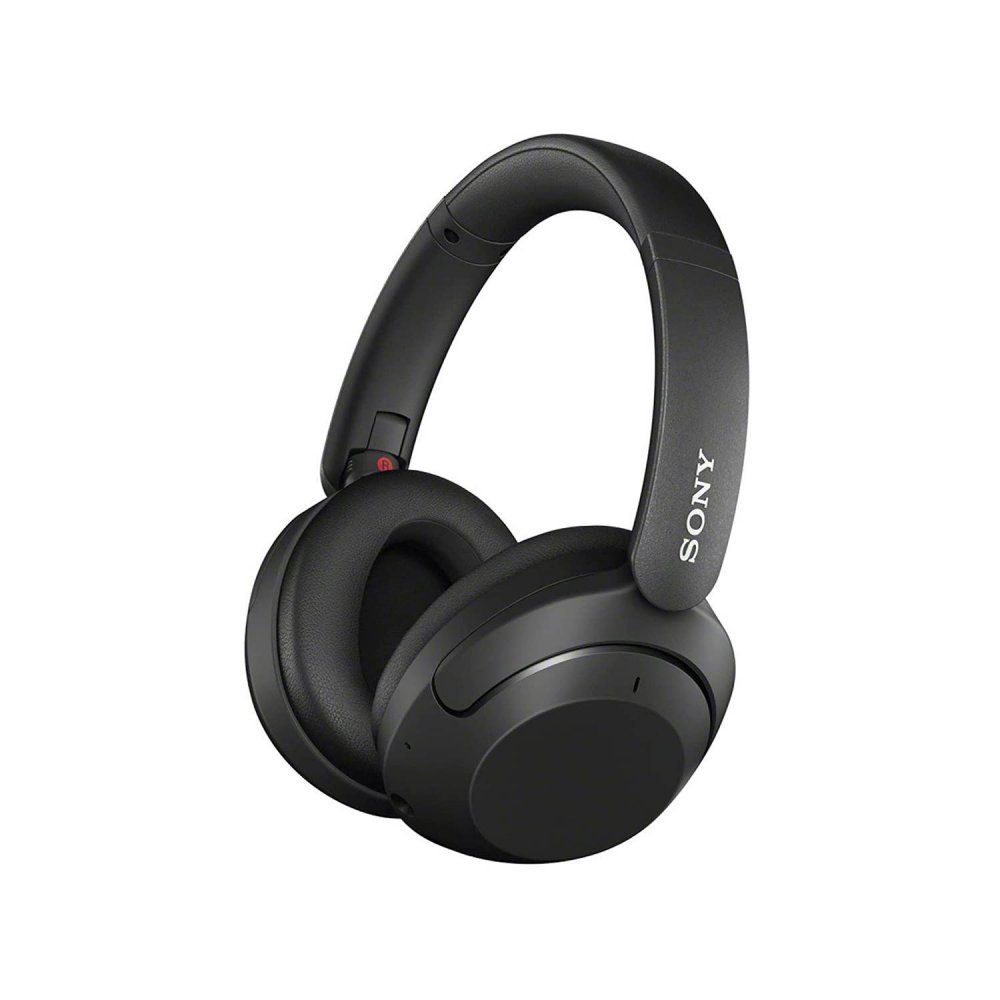
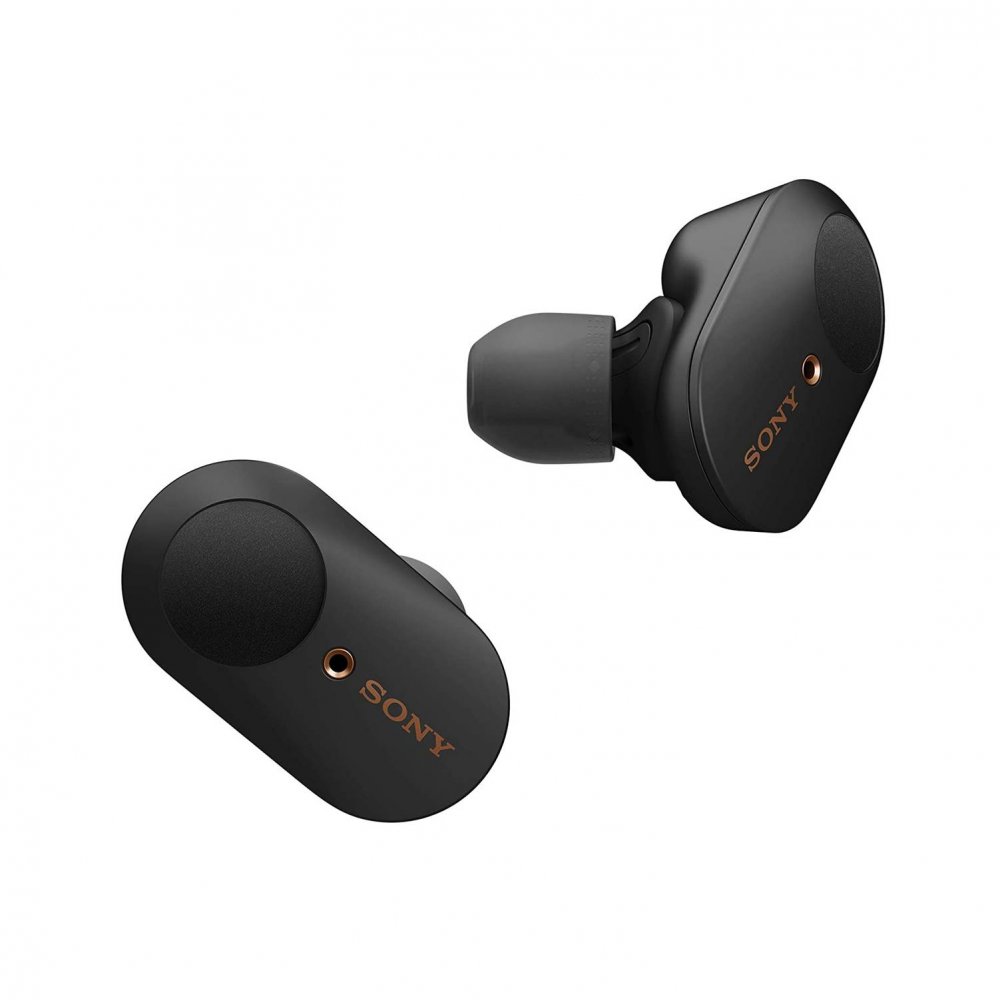
Advertisement
Compare Sony WH-XB910N with:
Compare Sony WF-1000XM3 with:
Top Differences
- Battery Life: 24 Hours vs 30 Hours
- Noise Cancelling: NA vs Passive
- Driver Size: 6 mm vs 40 mm
- Bluetooth: 5.0 vs 5.2
- Weight: 77 gm vs 252 gm
Advertisement