 ALERT
ALERT
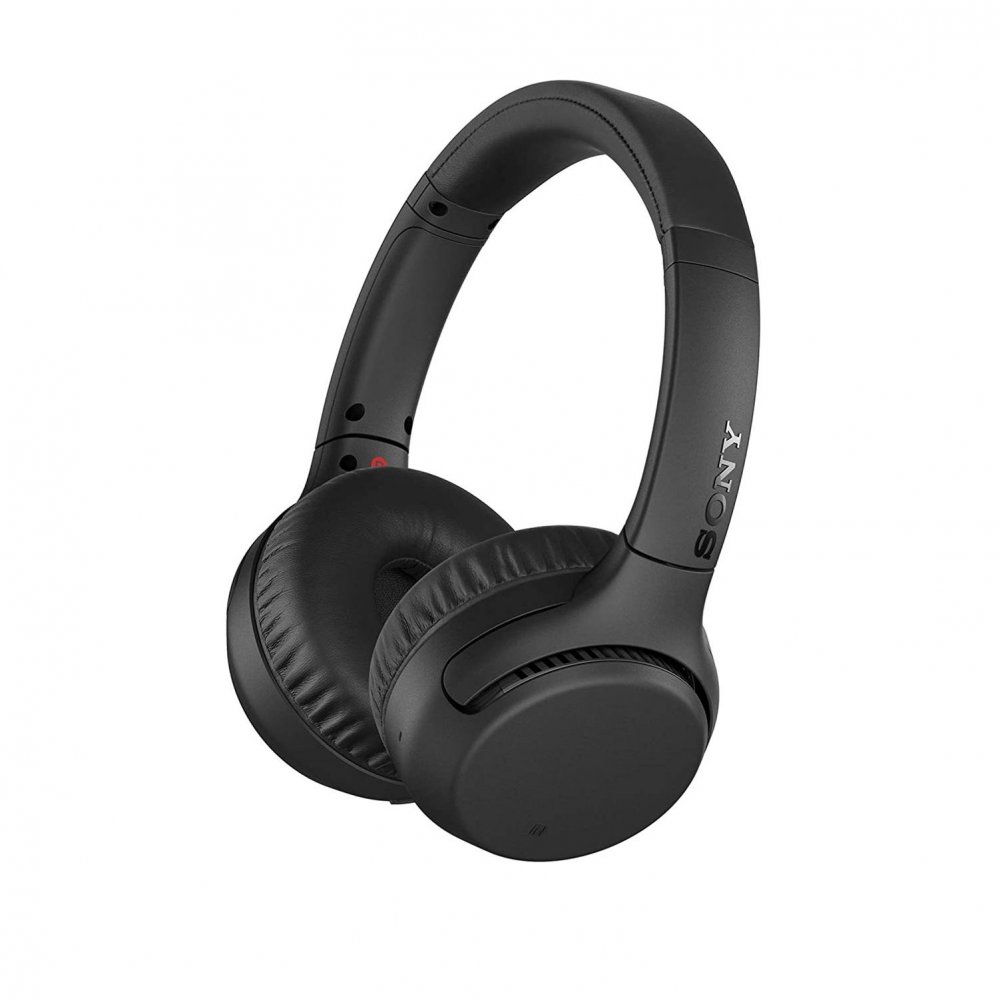
Sony WH-XB700 vs JBL Free X
Advertisement
| Specification | ||
|---|---|---|
| Price | Rs.8,990.00 |
Rs.8,699.00 |
| Brand | Sony |
JBL |
| Model No | WH-XB700 |
Free X |
| Wired / Wireless | Wireless Headphone Specification |
Wireless Headphone Specification |
| Headphone Type | Over Ear |
In Ear |
| Magnet Type | Neodymium |
Dynamic |
| Driver Diameter | 30 mm |
5.6 mm |
| Impedance | 37 ohm |
16 ohm |
| Sensitivity | 103 dB/mW |
< 9.5dBm |
| Frequency Response | 20 Hz - 22,000 Hz |
10 Hz - 22000 kHz |
| Maximum Power Input | 5 V DC |
NA |
| Wireless / Bluetooth Details | ||
| Wireless Technology | Bluetooth |
Bluetooth |
| Bluetooth Version | 4.2 |
4.2 |
| Compatible Profiles | All Bluetooth Devices |
All Bluetooth Devices |
| Supported Codecs | A2DP, AVRCP, HFP, HSP, SBC, AAC, aptX |
A2DP, AVRCP, HFP, HSP |
| Battery Type | lithium-ion |
Lithium-ion Polymer Battery |
| Bluetooth Range | 10 Meters Class 2 |
10 Meters |
| Battery Life | 30 Hours |
4 Hours |
| Charging Time | 4 Hours |
2 Hours |
| Noise Cancelling | Digital |
NA |
| Available Colors | Black, Blue |
Black |
| Connector Plating | Stereo 3.5 mm |
No |
| Cable | USB C-Type Cable |
Micro USB Charging Cable |
| Weight | 195 gm |
15 gm |
| Other Features | One-touch listening with Bluetooth® and NFC technology. Up to 30 hours of battery life and quick charge. Sleek design and long-listen comfort. Built-in mic for hands-free calls. Gold-plated L-shaped Stereo Mini. EXTRA BASS™ for deep, punchy sound. Alexa and Google Assistant compatible with Voice Assistant feature. Quickcharge - 10 mins gives you music for 90 mins. 4 hours charging gives you all-day power with approximately 30 hours of play time. Near Field Communication (NFC) and Bluetooth® technology. |
Immersive JBL Signature Sound delivered in an intuitive, intelligent package. Comfort stay secure fit - best-in-class ergonomics with 3 ear tip size. The splashproof worry free IPX5 certified design keeps the music playing through sunshine and rain. Truly wireless - Discover the freedom of a wireless lifestyle listening to music, managing your calls or working-out. Enjoy an entire day of wireless audio, with up to 4 hours of continuous playback and up to 20 hours of backup power from the charging case. Hands-free calls - integrated microphone for clear phone calls, automatic stereo-mono mode switching for a natural call experience One year manufacturer’s warranty. |

Advertisement
Compare Sony WH-XB700 with:
Compare JBL Free X with:
Top Differences
- Battery Life: 30 Hours vs 4 Hours
- Noise Cancelling: Digital vs NA
- Driver Size: 30 mm vs 5.6 mm
- Weight: 195 gm vs 15 gm
- Impedance: 37 ohm Vs 16 ohm
Advertisement