 ALERT
ALERT
Advertisement
| Specification | ||
|---|---|---|
| Price | Rs.9,958.55 |
Rs.9,999.00 |
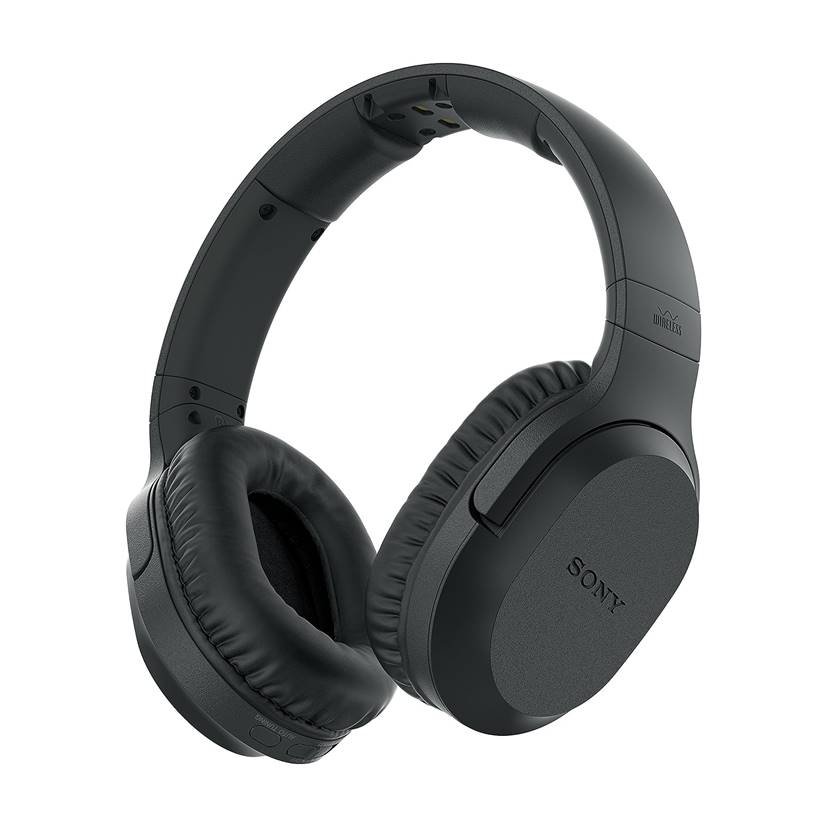
| Brand | Sony |
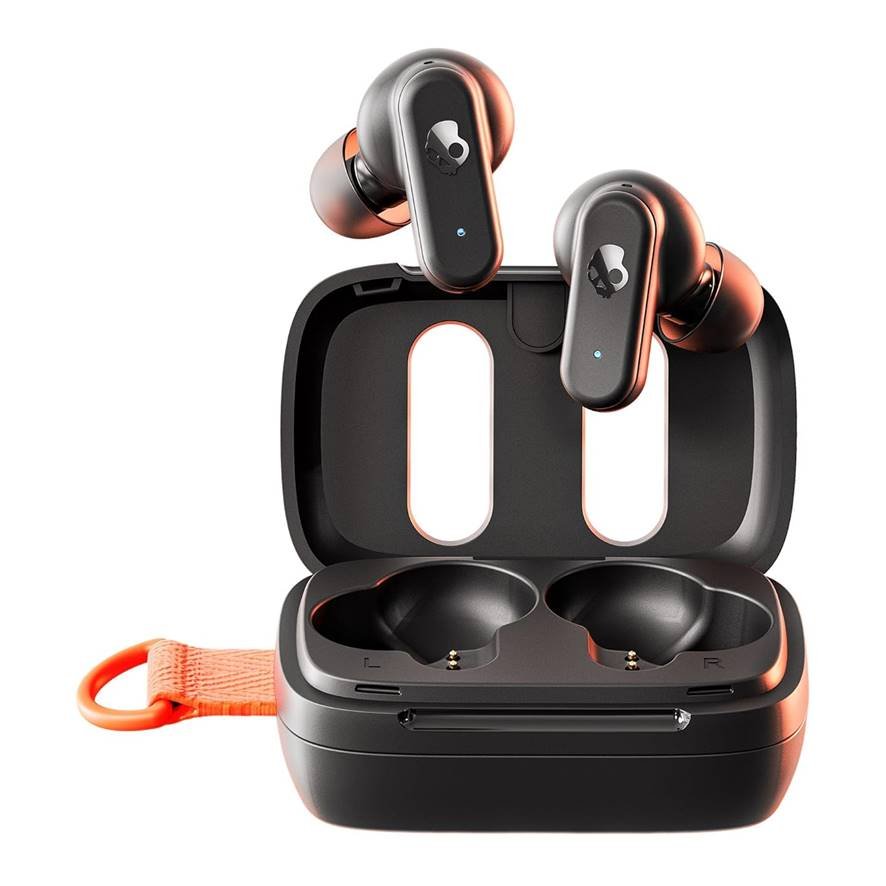
Skullcandy |
| Model No | WH-RF400 |
Dime 3 True Wireless Earbuds |
| Wired / Wireless | Wireless Headphone Specification |
Wireless Headphone Specification |
| Headphone Type | Over Ear |
In Ear |
| Magnet Type | Neodymium |
Dynamic |
| Driver Diameter | 40 mm |
6 mm |
| Impedance | 32 ohm |
16 Ohms |
| Sensitivity | 100 dB/mW |
104dB±3dB |
| Frequency Response | 10 Hz - 22,000 Hz |
20Hz - 20KHz |
| Maximum Power Input | 12V DC |
5 V 2A |
| Wireless / Bluetooth Details | ||
| Wireless Technology | Bluetooth |
Bluetooth |
| Bluetooth Version | 5.0 |
5.3 |
| Compatible Profiles | All Bluetooth Devices |
All Bluetooth Devices |
| Supported Codecs | A2DP, AVRCP, HFP, HSP, SBC, AAC, LDAC |
AAC |
| Battery Type | Lithium-ion Batteries |
Lithium-Ion Batteries |
| Bluetooth Range | 45 Meters |
10 Meters |
| Battery Life | 20 Hours |
20 Hours |
| Charging Time | 7 Hours |
1 Hours |
| Noise Cancelling | Active |
Sound Isolation |
| Available Colors | Black |
Black, White |
| Connector Plating | 3.5 mm Gold-Plated Stereo Mini Plug |
NA |
| Cable | Wireless Charging |
USB Type-C Charging Cable |
| Weight | 275 Gm |
30 GM |
| Other Features | Comfortable fit. Smooth and Comfortable Earpads. High fidelity sound reproduction. 3 transmission channels available. Comfortable fitting ear pads and headband. 1.57" driver unit delivers a wide frequency range. Listen for longer with up to 20 hours of battery life. Noise reduction system reproduces a clearer sound. New mode “VOICE†for clear hearing of personal voice range. Transmission distance varies depending on conditions of use. Automatic tuning on headphones for optimum signal reception. Requires use of RCA Audio Out or Headphone Jack on television. Volume control function and sound effect function on the headphones. Easy recharging function with secure charging mechanism –Rechargeable Battery. Wireless system that allows you to listen to a program free the restriction of a cable. Noise reduction system to reproduce a clear sound with minimum transmission noise. |
Sidetone. Stay-Aware Mode. Multipoint Pairing. Noise-Isolating Fit. Integrated Lanyard. Use Either Bud Solo. Call & Media Controls. Clear Voice Smart Mic. Activate Voice Assistant. Skullcandy Supreme Sound™. IPX4 Sweat & Water Resistant. Built-In Tile™ Finding Technology. 20 Hours Total Battery + Rapid Charge. Preset EQ Modes ( Music, Bass Boost, Podcast ). Never lost with Tile - With Tile technology, Skullcandy makes it super easy to track down either earbud and keep your gadgets safe. Download the Tile app and follow the instructions to activate. Multipoint Pairing - Allows you to pair your earbuds to two devices at once. Connections are managed automatically. If you get a call while watching a movie on your laptop, your connection will switch to the call on your phone. Latest Sound Tech - Stay-Aware Mode to allow you to stay tuned-in to the world around you. 3 preset EQ modes optimize audio for any media. Clear Voice Smart Mic uses AI to isolate the speaker’s voice and cut out background noise. Hours of Power - We built Dime 3 with a small, efficient battery that cuts its carbon footprint to less than half that of other earbuds. It delivers 8 hours of listening time in the bud and 2 full charges in the case for a full 20 hours of battery life. Supreme Audio - workout, relax, skate listening favorite tunes. Hear every beat of your music and let the bass blow UP. We put a mic in each bud allowing you to have 1 bud in and leave the other in the case, call and hear outside sound at the same time. |
Advertisement
Compare Sony WH-RF400 with:
Compare Skullcandy Dime 3 True Wireless Earbuds with:
Top Differences
- Noise Cancelling: Active vs Sound Isolation
- Driver Size: 40 mm vs 6 mm
- Bluetooth: 5.0 vs 5.3
- Weight: 275 Gm vs 30 GM
- Impedance: 32 ohm Vs 16 Ohms
Advertisement