 ALERT
ALERT
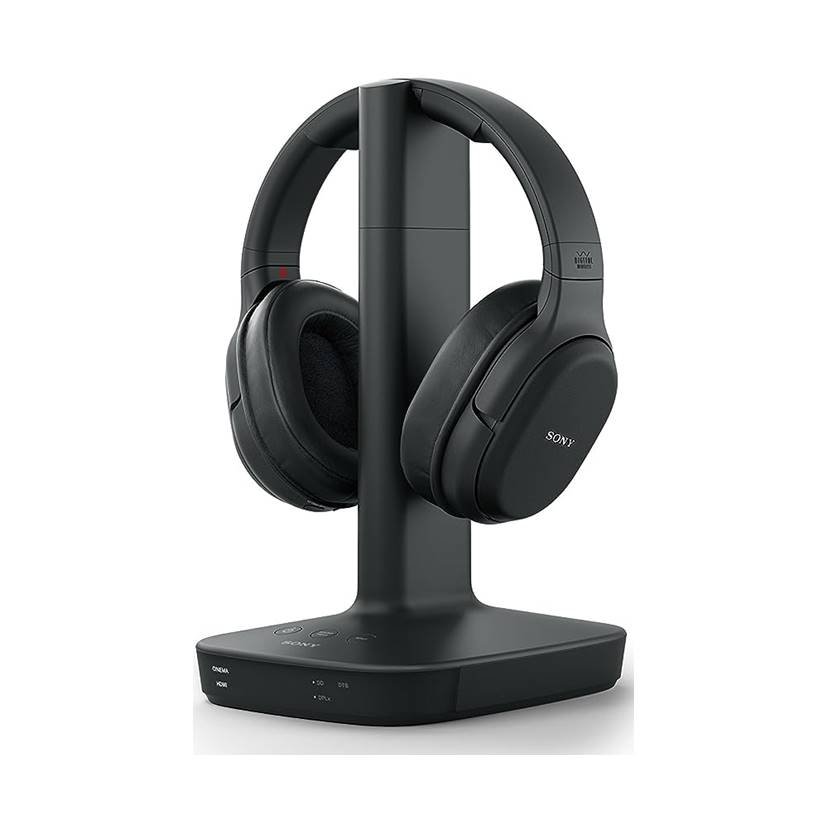
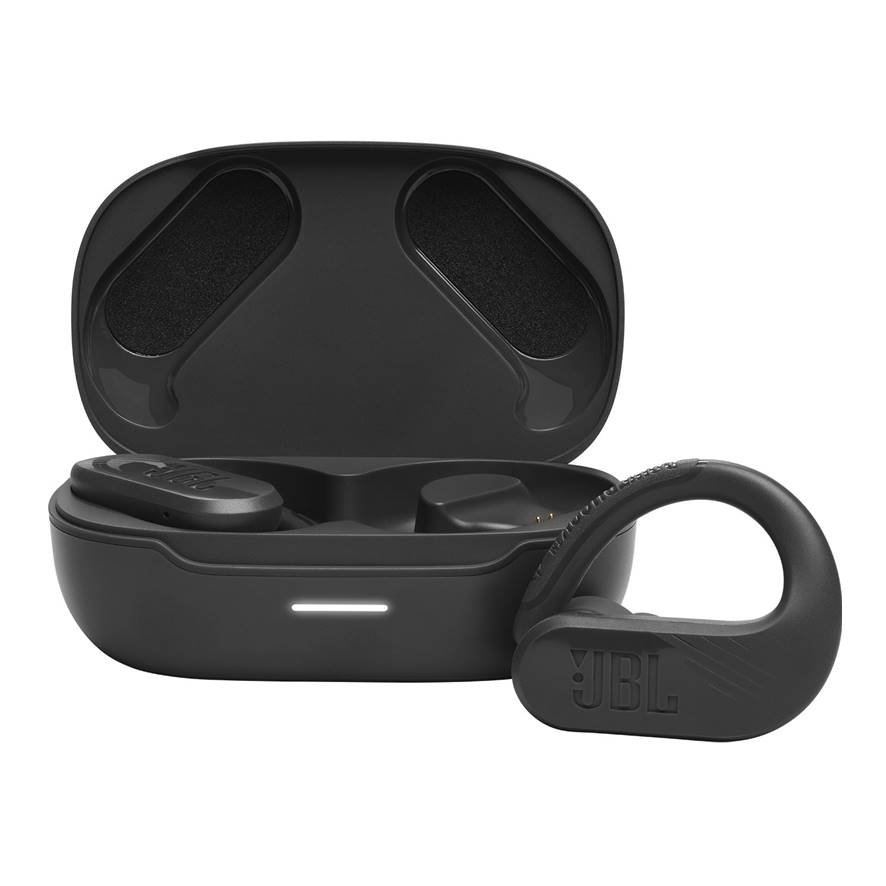
Sony WH-L600 vs JBL Endurance Peak 3
Advertisement
| Specification | ||
|---|---|---|
| Price | Rs.24,888.34 |
Rs.24,322.00 |
| Brand | Sony |
JBL |
| Model No | WH-L600 |
Endurance Peak 3 |
| Wired / Wireless | Wireless Headphone Specification |
Wireless Headphone Specification |
| Headphone Type | Over Ear |
Neckband |
| Magnet Type | Neodymium |
Dynamic |
| Driver Diameter | 40 mm |
10 mm |
| Impedance | 32 ohm |
16 Ohms |
| Sensitivity | 100 dB/mW |
102 dB SPL@1 kHz |
| Frequency Response | 20 Hz - 20,000 Hz |
20 Hz - 20KHz |
| Maximum Power Input | 12V DC |
5V 1A |
| Wireless / Bluetooth Details | ||
| Wireless Technology | Bluetooth |
Bluetooth |
| Bluetooth Version | NA |
5.2 |
| Compatible Profiles | All Bluetooth Devices |
All Bluetooth Devices |
| Supported Codecs | SBC, AAC, LDAC |
AAC, SBC |
| Battery Type | Lithium-ion Batteries |
Lithium-Ion Batteries |
| Bluetooth Range | 30 Meters |
10 Meters |
| Battery Life | 17 Hours |
50 Hours |
| Charging Time | 6 Hours |
2 Hours |
| Noise Cancelling | NA |
NA |
| Available Colors | Black |
Black, White, Blue, Red |
| Connector Plating | 3.5 mm Gold-Plated Stereo Mini Plug |
NA |
| Cable | Wireless Charging |
USB Type-C Charging Cable |
| Weight | 470 Gm |
102 GM |
| Other Features | IP68 Water and dust resistant. Up To 50 hours of music playback. 4-Mic Crisp, Clear Calls : Even on a windy bike trail, your voice will be heard thanks to dual beamforming mics in each ear help to ensure clear communication. JBL Pure Bass Sound : Get the most out of your favorite workout playlist with rich bass from a 10mm dynamic driver that delivers bold sound when you need it most. Ambient Aware & Talk Thru : Whether you're out for a run or in the zone at the gym, TalkThru makes it easy to make and hear calls anywhere. And with Ambient Aware, you can stay alert to your surroundings without removing your headphones. Up To 50 Total Hours Of Playback With Speed Charge : Whether you measure your energy output in miles, pounds, or minutes, the JBL Endurance Peak 3 can match you beat for beat, with up to10 hours of battery power in the earbuds and 40 in the case. IP68 Dust & Water Proof : An IP68 rating means the JBL Endurance Peak 3 earbuds are ready for your most active adventures, rain or shine. And they'll endure for 30 minutes at depths up to 1.5 meters of salt or fresh water. So you can surf with your earbuds. |
|
Advertisement
Compare Sony WH-L600 with:
Compare JBL Endurance Peak 3 with:
Top Differences
- Battery Life: 17 Hours vs 50 Hours
- Driver Size: 40 mm vs 10 mm
- Bluetooth: NA vs 5.2
- Weight: 470 Gm vs 102 GM
- Impedance: 32 ohm Vs 16 Ohms
Advertisement