 ALERT
ALERT
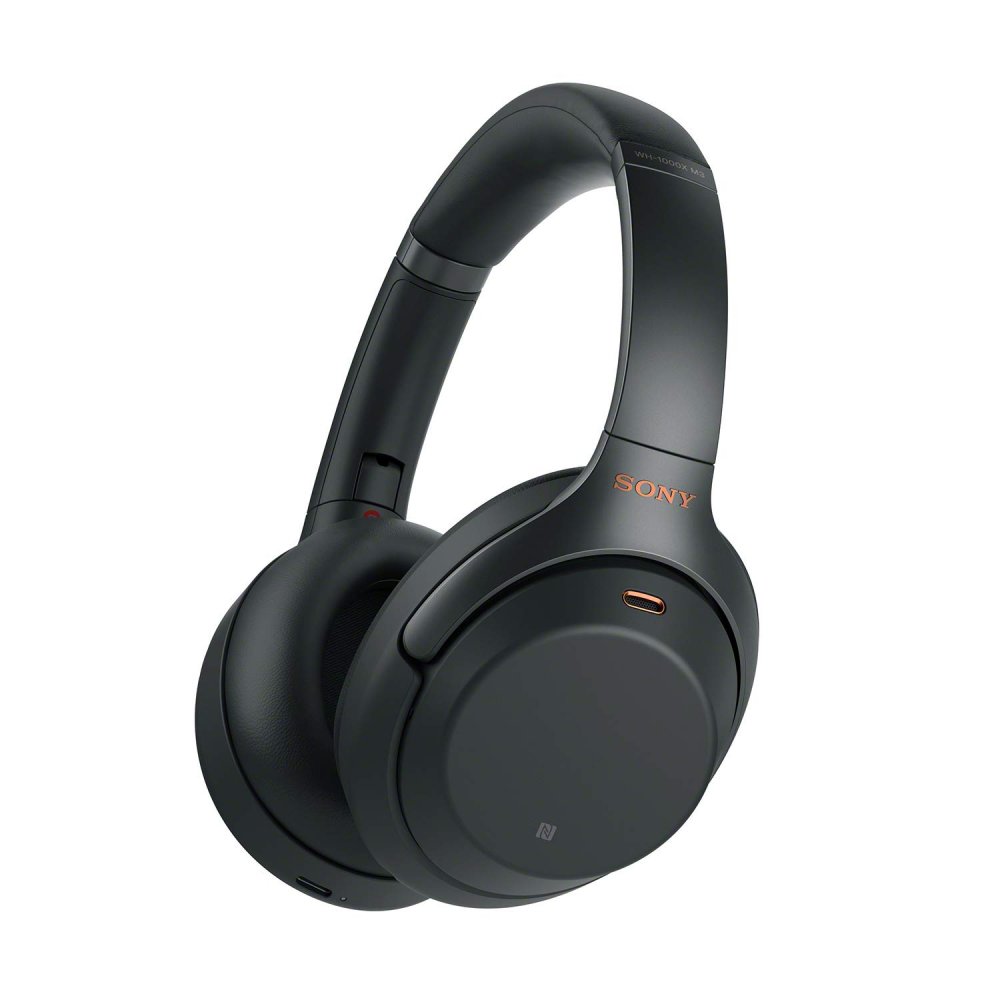
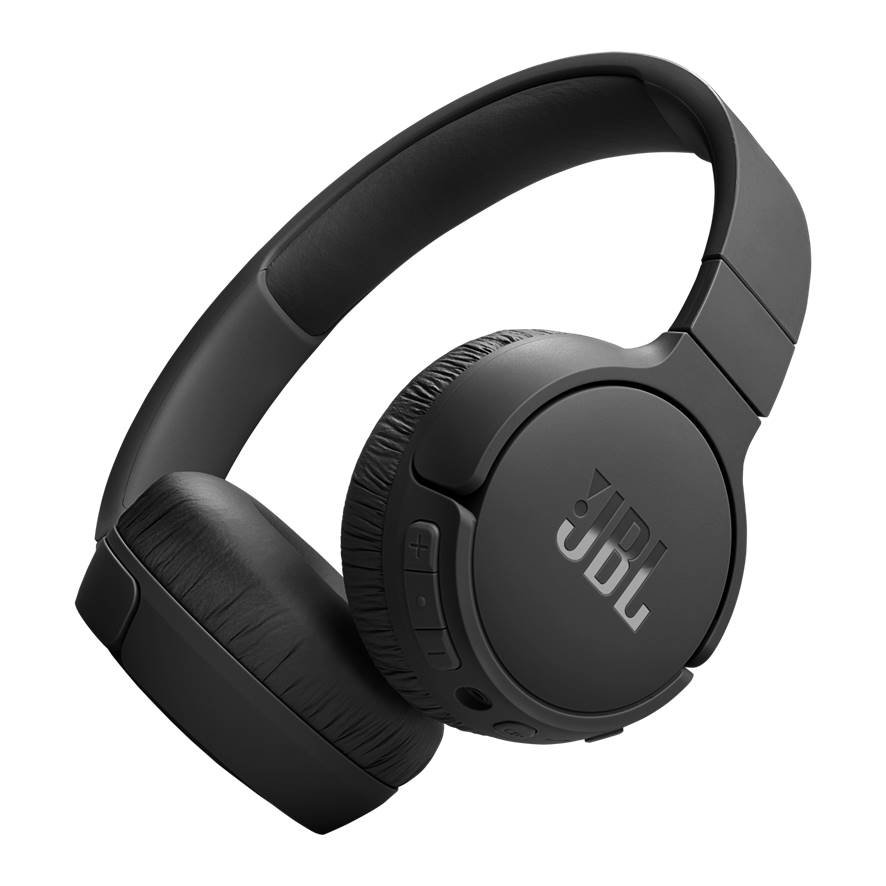
Sony WH-1000XM3 vs JBL Tune 670NC
Advertisement
| Specification | ||
|---|---|---|
| Price | Rs.29,990.00 |
Rs.29,062.00 |
| Brand | Sony |
JBL |
| Model No | WH-1000XM3 |
Tune 670NC |
| Wired / Wireless | Wireless Headphone Specification |
Wireless Headphone Specification |
| Headphone Type | Over Ear |
On Ear |
| Magnet Type | Neodymium |
Dynamic |
| Driver Diameter | 40 mm |
32 mm |
| Impedance | 16/47 ohm |
32 Ohms |
| Sensitivity | 104 dB/mW |
98dB SPL@ 1kHz 1mW |
| Frequency Response | 4 Hz - 40,000 Hz |
20 Hz - 20KHz |
| Maximum Power Input | 5 V DC |
5V 1A |
| Wireless / Bluetooth Details | ||
| Wireless Technology | Bluetooth |
Bluetooth |
| Bluetooth Version | 4.2 |
5.3 |
| Compatible Profiles | All Bluetooth Devices |
All Bluetooth Devices |
| Supported Codecs | A2DP, AVRCP, HFP, HSP, SBC, AAC, aptX, aptX HD, LDAC |
AAC, SBC |
| Battery Type | Lithium-ion Batteries |
Lithium-Ion Batteries |
| Bluetooth Range | 10 Meters Class 2 |
10 Meters |
| Battery Life | 30 Hrs (NC On) |
70 Hours |
| Charging Time | 3 Hours |
2 Hours |
| Noise Cancelling | Active |
Adaptive Noise Cancelling |
| Available Colors | Black, White |
Black, White, Blue, Purple |
| Connector Plating | 3.5 mm Gold-Plated L-Shaped Stereo Mini Plug |
3.5 mm Jack |
| Cable | USB C-Type Cable |
USB Type-C Charging Cable |
| Weight | 255 gm |
174 GM |
| Other Features | NFC: Yes Quick Attention: Yes Ambient Sound Mode: Yes Noise Cancellation Switch: Yes All day power and quick charging. Volume Control Touch Sensor: Yes Gold-plated L-shaped Stereo Mini Plug. Atmospheric Pressure Optimization: Yes High-quality audio with DSEE HXâ„¢ and LDAC. |
JBL Pure Bass Sound. Bluetooth 5.3 with LE Audio*. Hands-free calls with Voice Aware. Customize your listening experience. Up To 44 hours of Battery Life with ANC ON. Up To 70 hours of Battery Life with ANC OFF. Adaptive Noise Cancelling with Smart Ambient. JBL Tune 670NC headphones feature renowned JBL Pure Bass sound—the same that powers the most famous music venues all around the world. Easily control your sound and manage your calls from your headphones with the convenient buttons on the ear-cup. Hear your voice while you're talking, with the help of VoiceAware. Download the free JBL Headphones App to tailor the sound to your taste by choosing one of the pre-set EQ modes or adjusting the EQ curve according to your content, your style, your taste. Voice Prompts in your language guide you through the Tune 670NC’s other features. Adaptive Noise Cancelling means zero distractions when it's time to focus on your studies—or get your groove on. And if you want to hear the world around you without removing your headphones, Ambient Aware and TalkThru sharpen the sounds of your surroundings or voices. Easily activate these Ambient Sound Control modes through the JBL Headphones app. Wirelessly stream high-quality JBL Pure Bass Sound from your smartphone with the help of the latest Bluetooth technology. Optimize the Bluetooth performance with the Smart Audio & Video feature in the JBL Headphones app by selecting the Audio (for the best sound quality) or the Video ( for an optimal gaming and video output ) modes. *Available via OTA update at a later stage. |
Advertisement
Compare Sony WH-1000XM3 with:
Compare JBL Tune 670NC with:
Top Differences
- Battery Life: 30 Hrs (NC On), 38 Hrs (NC Off) vs 70 Hours
- Noise Cancelling: Active vs Adaptive Noise Cancelling
- Driver Size: 40 mm vs 32 mm
- Bluetooth: 4.2 vs 5.3
- Weight: 255 gm vs 174 GM
Advertisement