 ALERT
ALERT
Sony WH-1000XM3 vs JBL Live 670NC
Advertisement
| Specification | ||
|---|---|---|
| Price | Rs.29,990.00 |
Rs.30,093.00 |
| Brand | Sony |
JBL |
| Model No | WH-1000XM3 |
Live 670NC |
| Wired / Wireless | Wireless Headphone Specification |
Wireless Headphone Specification |
| Headphone Type | Over Ear |
On Ear |
| Magnet Type | Neodymium |
Dynamic |
| Driver Diameter | 40 mm |
40 mm |
| Impedance | 16/47 ohm |
32 Ohms |
| Sensitivity | 104 dB/mW |
98dB SPL@ 1kHz 1mW |
| Frequency Response | 4 Hz - 40,000 Hz |
20 Hz - 20KHz, AUX Mode : 20 Hz ~ 40KHz |
| Maximum Power Input | 5 V DC |
5V 1A |
| Wireless / Bluetooth Details | ||
| Wireless Technology | Bluetooth |
Bluetooth |
| Bluetooth Version | 4.2 |
5.3 |
| Compatible Profiles | All Bluetooth Devices |
All Bluetooth Devices |
| Supported Codecs | A2DP, AVRCP, HFP, HSP, SBC, AAC, aptX, aptX HD, LDAC |
AAC, SBC |
| Battery Type | Lithium-ion Batteries |
Lithium-Ion Batteries |
| Bluetooth Range | 10 Meters Class 2 |
10 Meters |
| Battery Life | 30 Hrs (NC On) |
65 Hours |
| Charging Time | 3 Hours |
<3 Hours |
| Noise Cancelling | Active |
True Adaptive Noise Cancelling |
| Available Colors | Black, White |
Black, White, Blue, Gold |
| Connector Plating | 3.5 mm Gold-Plated L-Shaped Stereo Mini Plug |
3.5 mm Jack |
| Cable | USB C-Type Cable |
USB Type-C Charging Cable |
| Weight | 255 gm |
219 GM |
| Other Features | NFC: Yes Quick Attention: Yes Ambient Sound Mode: Yes Noise Cancellation Switch: Yes All day power and quick charging. Volume Control Touch Sensor: Yes Gold-plated L-shaped Stereo Mini Plug. Atmospheric Pressure Optimization: Yes High-quality audio with DSEE HXâ„¢ and LDAC. |
JBL Signature Sound and surround sound. Up To 50 hours of Battery Life with ANC ON. Up To 65 hours of Battery Life with ANC OFF. Auto Play & Pause : Take the headphones off, the music stops. Put it back on, the music starts again. It genuinely couldn't be simpler. JBL Signature Sound & Surround Sound : Along with powerful JBL Signature Sound, the 40mm drivers offer immersive JBL Spatial Sound that turns any stereo content from any device into virtual surround sound. Up To 65 Hours* Of Battery Life & Speed Charge : Listen wirelessly for up to 50 hours and recharge the battery in as little as 2 hours with the convenient Type-C USB cable. In a hurry? A quick 5 min charge gives you 4 hours of music. *BT on/ANC off True Adaptive Noise Cancelling With Smart Ambient : With four noise-sensing mics, True Adaptive Noise Cancelling means zero distractions whether you’re focusing on studying or getting lost in the music. Or turn on Smart Ambient to hear your surroundings. Bluetooth 5.3 With LE Audio Supported* : Wirelessly stream high-quality sound even at lower bit rates with Bluetooth 5.3. Audio Mode gives the best available sound while Video Mode ensures the sound and visuals are always in sync. *Available via OTA update. Personi-Fi 2.0 : The My JBL Headphones app personalizes your sound experience just for you. Just take the quick and easy hearing test and it automatically sets up a custom sound profile that’s ready to go every time you put on your headband. That’s it. |
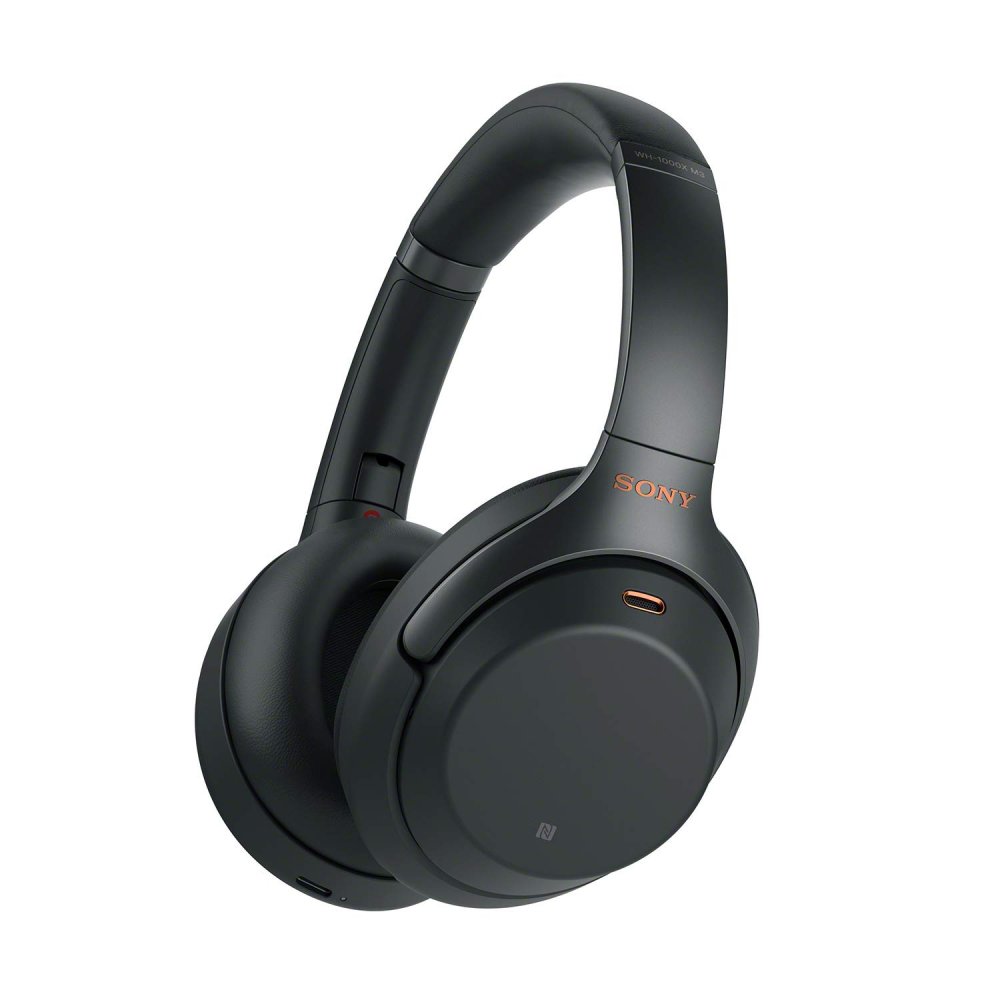
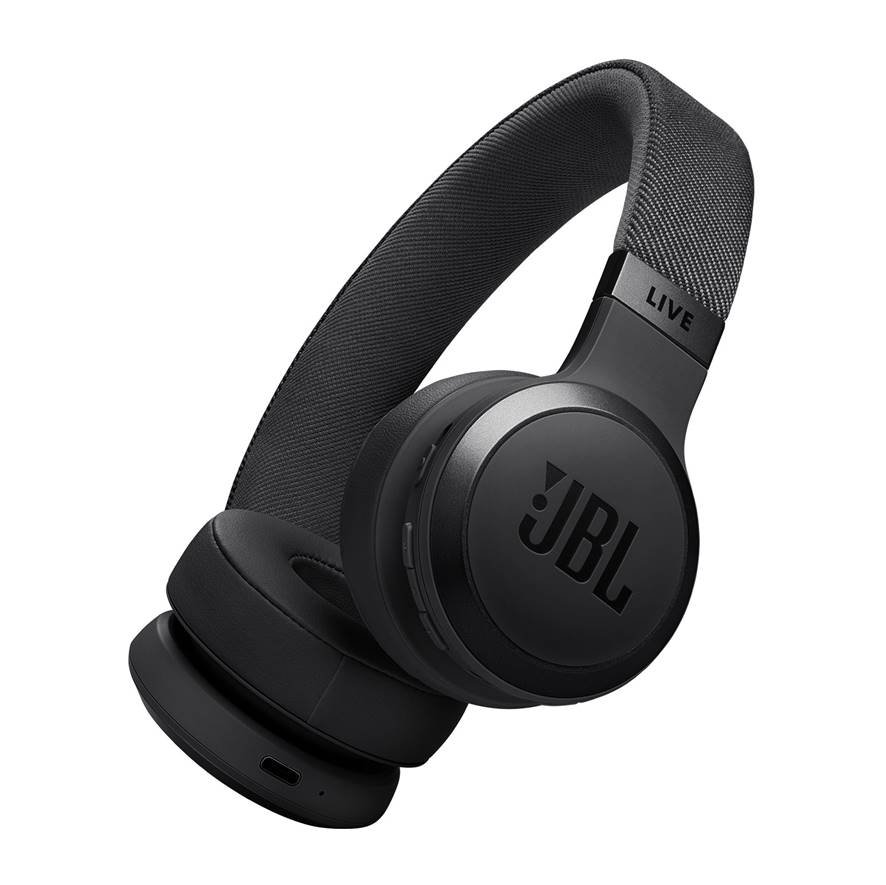
Advertisement
Compare Sony WH-1000XM3 with:
Top Differences
- Battery Life: 30 Hrs (NC On), 38 Hrs (NC Off) vs 65 Hours
- Noise Cancelling: Active vs True Adaptive Noise Cancelling
- Bluetooth: 4.2 vs 5.3
- Weight: 255 gm vs 219 GM
- Impedance: 16/47 ohm Vs 32 Ohms
Advertisement