 ALERT
ALERT
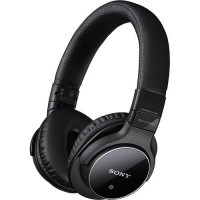
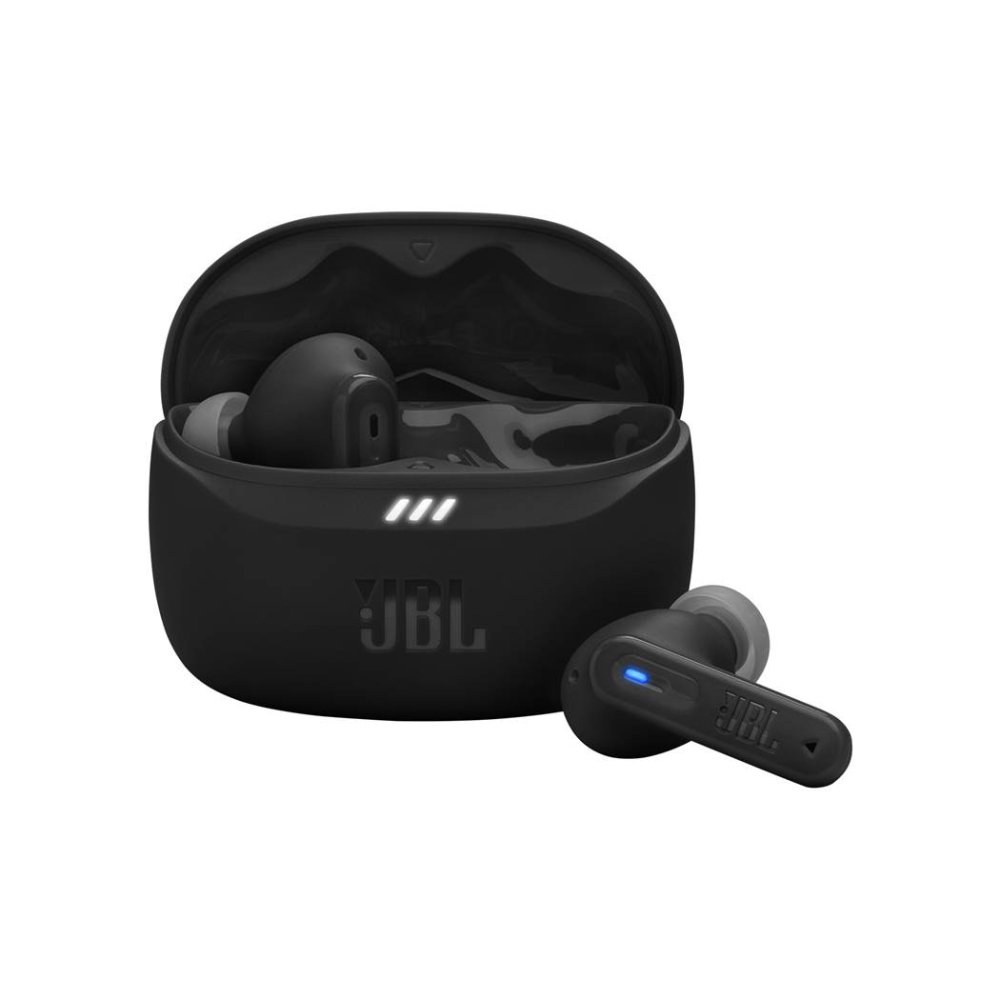
Sony MDR-ZX750BN vs JBL Tune Beam 2
Advertisement
| Specification | ||
|---|---|---|
| Price | Rs.12,000.00 |
Rs.11,999.00 |
| Brand | Sony |
JBL |
| Model No | MDR-ZX750BN |
Tune Beam 2 |
| Wired / Wireless | Wireless Headphone Specification |
Wireless Headphone Specification |
| Headphone Type | On Ear |
In Ear |
| Magnet Type | NA |
Dynamic |
| Driver Diameter | 40 mm |
10 mm |
| Impedance | 40 ohms |
16 Ohms |
| Sensitivity | 102 dB |
100 dB SPL@1 kHz |
| Frequency Response | 8 - 22,000 Hz |
20 Hz - 20KHz |
| Maximum Power Input | 100 mW (Wired) |
5V 1A |
| Wireless / Bluetooth Details | ||
| Wireless Technology | Bluetooth |
Bluetooth |
| Bluetooth Version | 3.0 |
5.3 |
| Compatible Profiles | A2DP, AVRCP, HFP, HSP |
All Bluetooth Devices |
| Supported Codecs | SBC, AAC, aptX |
AAC, SBC |
| Battery Type | Lithium Ion Rechargeable Battery |
Lithium-Ion Batteries |
| Bluetooth Range | 30 ft (10 m) |
10 Meters |
| Battery Life | Music Playtime: 13 hr |
48 Hours |
| Charging Time | 2.5 hr |
3 Hours |
| Noise Cancelling | Yes (Digital Noise Canceling) |
Adaptive Noise Canceling |
| Available Colors | Black |
Black, White, Blue |
| Connector Plating | L-Shaped 3.5 mm Gold Plated Plug |
NA |
| Cable | 1.5 m |
USB Type-C Charging Cable |
| Weight | 230 g without cable |
52.4 GM |
| Other Features | - NFC for one-touch connection with your smartphone - Digital Noise Cancelling to block out ambient noise - Built-In microphone for hands-free calling - Built-In remote with play, pause, stop, FF and FR functionality - Microphone unit: Electret Condenser - Microphone frequency range 100 Hz - 4,000 Hz |
Talk time with ANC Off : Up To 6 Hrs. Talk time with ANC On : Up To 5 Hrs. Music playtime with BT on and ANC Off: Up To 12 Hrs. Music playtime with BT on and ANC On : Up To 10 Hrs. Multi-point Connection and fast pair enabled by Google. Adaptive Noise Cancelling : Adjusts automatically to your surroundings and provides better sound by eliminating the noise. IP54 Dust & Water Resistant : Your JBL Tune Beam 2 are IP54 water and dust resistant, so you can rely on them even in rainy or windy conditions. Personi-Fi 3.0 : Hear and feel every note of your playlist. Shape your audio to match your personal listening profile with interactive customization tools that use precise information about you and your preferences to provide the exact sound curve that suits you best. JBL Pure Bass Sound with Spatial Sound : JBL Tune Beam 2 earbuds feature 10mm dynamic drivers that deliver powerful JBL Pure Bass sound. And whether you’re listening to your favorite playlist, watching a movie, or playing a game, JBL Spatial Sound transforms the stereo sound from any source or device into a more immersive sound experience. 6 Mics For Perfect Calls & Customized Call Experience : Two beamforming outer mics on each earbud pick up your voice and deliver it as clearly as possible, while one inner mic isolates noise. Environmental noise cancellation and echo suppression algorithms capture every nuance of your voice without any noise or distortion, even if you’re outside on a windy day. Use the JBL Headphones app to customize what you and the people you’re talking to sound like through your earbuds. |
Advertisement
Compare Sony MDR-ZX750BN with:
Compare JBL Tune Beam 2 with:
Top Differences
- Battery Life: Music Playtime: 13 hr, Talk Time: 10 hr, Standby Time: 150 hr vs 48 Hours
- Noise Cancelling: Yes (Digital Noise Canceling) vs Adaptive Noise Canceling
- Driver Size: 40 mm vs 10 mm
- Bluetooth: 3.0 vs 5.3
- Weight: 230 g without cable vs 52.4 GM
Advertisement