 ALERT
ALERT
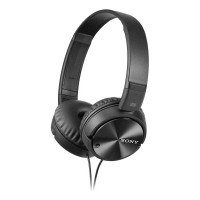
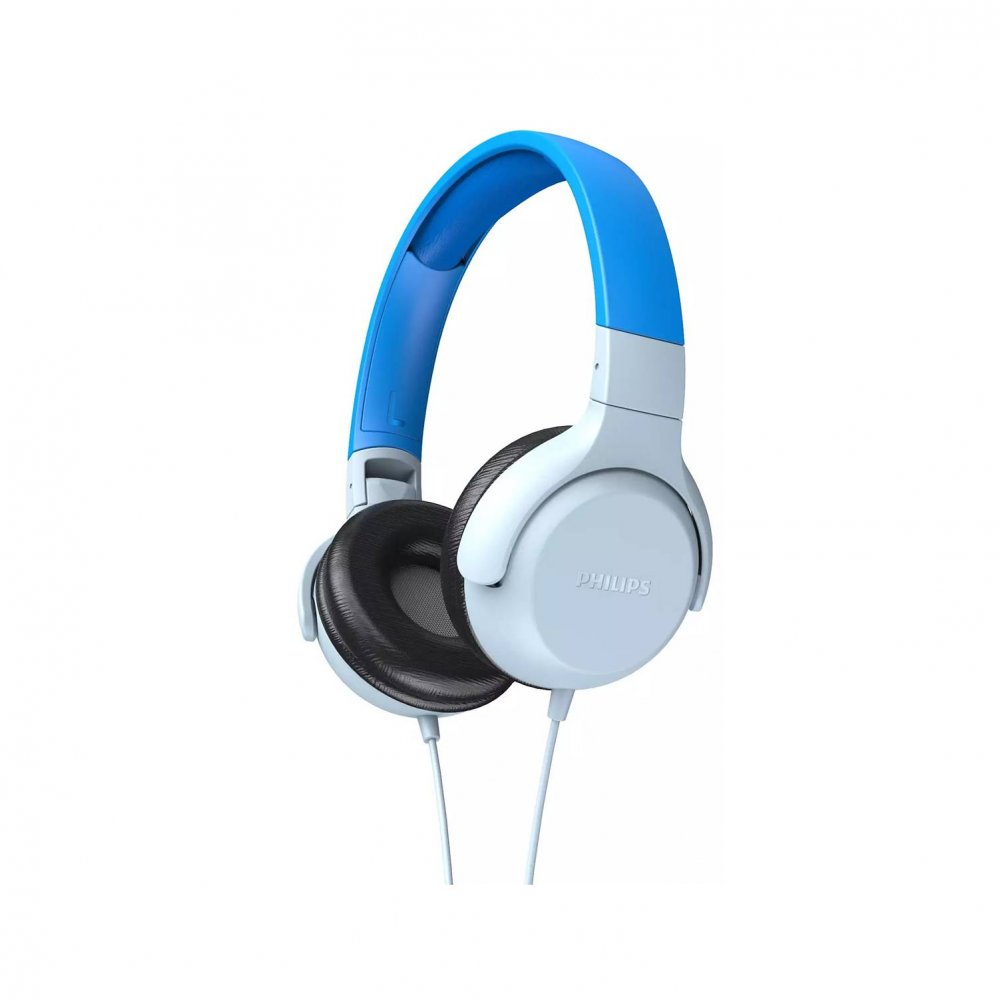
Sony MDR-ZX110NC vs Philips TAKH101BL/00
Advertisement
| Specification | ||
|---|---|---|
| Price | Rs.2,850.00 |
Rs.2,884.62 |
| Brand | Sony |
Philips |
| Model No | MDR-ZX110NC |
TAKH101BL/00 |
| Wired / Wireless | Wired Headphone Specification |
Wired Headphone Specification |
| Headphone Type | On Ear |
On Ear |
| Magnet Type | Neodymium |
Neodymium |
| Driver Diameter | 30 mm |
32 mm |
| Impedance | Power ON 220 Ω, OFF 45 Ω |
32 ohm |
| Sensitivity | 110 dB/mW |
95dB |
| Frequency Response | 10Hz - 22,000Hz |
20 Hz - 20000 kHz |
| Maximum Power Input | NA |
10 mW |
| Noise Cancelling | Yes |
Passive |
| Available Colors | Black |
Blue |
| Connector Plating | 3.5 mm jack Sliver-plated |
3.5 mm stereo Gold-Plated Jack |
| Cable | 1.2 m |
Tangle Resistant Cable |
| Weight | 150 g |
111 gm |
| Other Features | - Noise Cancelling reduces up to 95% ambient noise - Swivel, folding design for ultra-portability - 80 hours battery life (Noise Cancelling on) - Works even when battery is depleted (passive operation) - ZX110NC comes with an airline adapter , which will let you connect with in-flight entertainment seamlessly Active Headphone Features - Headphone Power Indicator : LED (green) - Batteries : Dry Battery(Size AAA) - Battery Life : Max. 80 hours (alkaline battery), 40 hours (manganese battery) - Passive Operation :Yes Noise Cancelling Specs - Total Noise Suppression Ratio dB : Approx. 13dB - Total Noise Suppression Ratio % : Approx. 95% |
Volume limited to 95 dB. Light, cushioned headband. 32 mm acoustic drivers. Clear sound. Compact-folding design. Easy storage. A 1.2 m long cable that is ideal for outdoor use. Simple in-line remote. Easily control music and calls. Light, comfortable ear-cup cushions. Perfect for young ears. |
Advertisement
Compare Sony MDR-ZX110NC with:
Compare Philips TAKH101BL/00 with:
Top Differences
- Noise Cancelling: Yes vs Passive
- Driver Size: 30 mm vs 32 mm
- Weight: 150 g vs 111 gm
- Impedance: Power ON 220 Ω, OFF 45 Ω Vs 32 ohm
Advertisement