 ALERT
ALERT
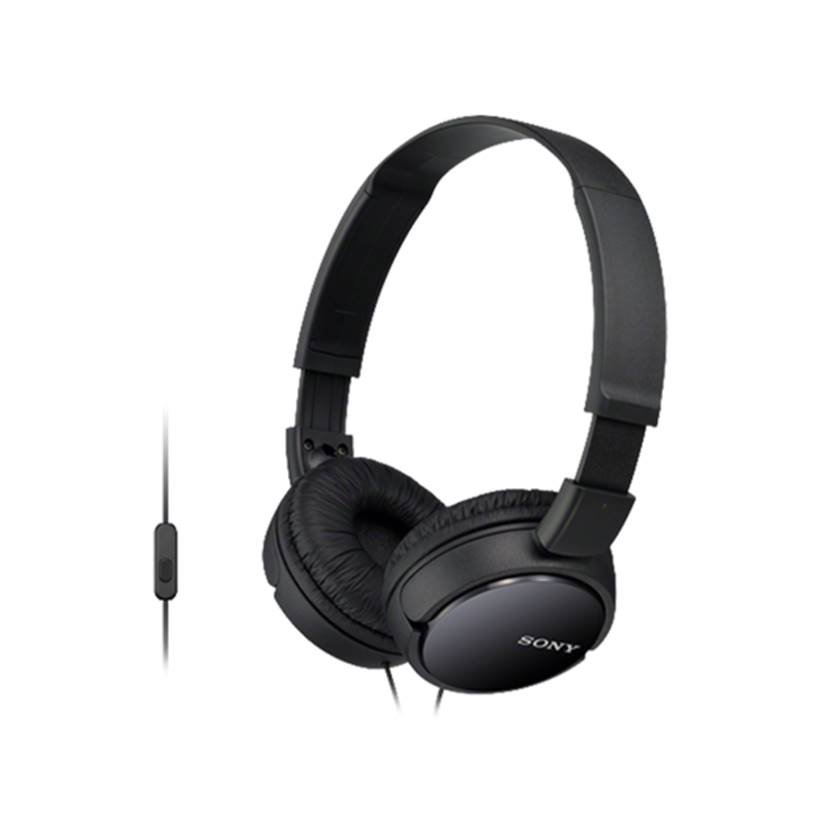
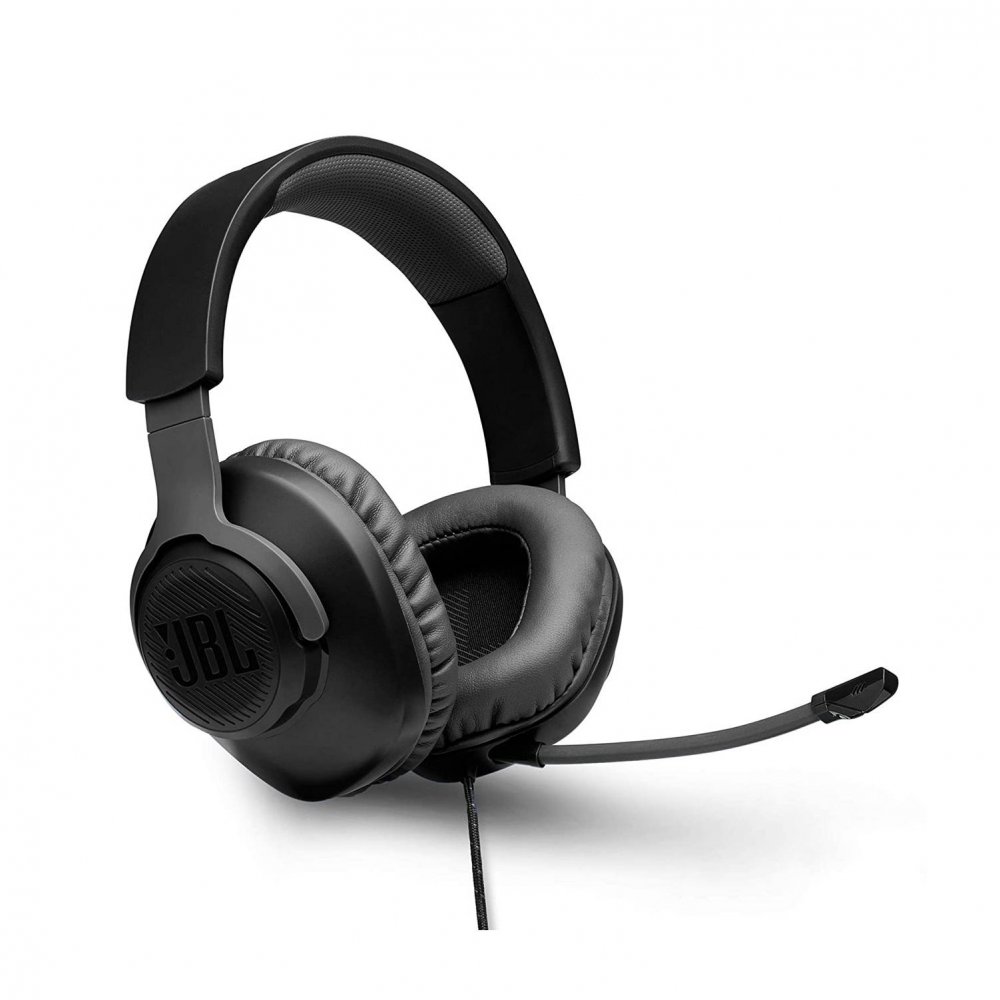
Sony MDR-ZX110AP vs JBL Quantum 100
Advertisement
| Specification | ||
|---|---|---|
| Price | Rs.2,492.92 |
Rs.2,499.00 |
| Brand | Sony |
JBL |
| Model No | MDR-ZX110AP |
Quantum 100 |
| Wired / Wireless | Wired Headphone Specification |
Wired Headphone Specification |
| Headphone Type | Over Ear |
Over Ear |
| Magnet Type | Dynamic |
Dynamic |
| Driver Diameter | 30 mm |
40 mm |
| Impedance | 24 ohm |
32 ohm |
| Sensitivity | 98 dB/mW |
96dB1mW |
| Frequency Response | 12 Hz - 22000 Hz |
20 Hz - 20000 Hz |
| Maximum Power Input | 1.000Â mW |
20 mW |
| Noise Cancelling | NA |
NA |
| Available Colors | Black, White |
Black, White, Blue |
| Connector Plating | 3.5 mm Four-Conductor Gold-Plated L-Shaped Stereo |
3.5 mm |
| Cable | Tangle-Free Cable |
NA |
| Weight | 120 Gm |
220 gm |
| Other Features | Extra Bass Smartphone Headset. Universal Smartphone Compatibility. Choice of colors to suit your style. Enjoy rich, full frequency response. 1.38 in dome drivers for balanced sound. Padded earcups for comfortable listening. High-energy neodymium magnets deliver powerful sound. |
JBL Quantum SOUND Signature. Play even longer in memory foam comfort. Compatible with Windows Sonic Spatial Sound. Voice focus directional flip-up boom microphone. Be at the center of the game with JBL Quantum SOUND Signature. 1 Year Warranty Provided by the Manufacturer from Date of Purchase |
Advertisement
Compare Sony MDR-ZX110AP with:
Compare JBL Quantum 100 with:
Top Differences
- Driver Size: 40 mm vs 30 mm
- Weight: 220 gm vs 120 Gm
- Impedance: 32 ohm Vs 24 ohm
Advertisement