 ALERT
ALERT
| Specification | ||
|---|---|---|
| Price | Rs.780.00 |
Rs.8,736.00 |
| Brand | Sony |
JBL |
| Model No | MDR-ZX110 |
TUNE 110 |
| Wired / Wireless | Wired Headphone Specification |
Wired Headphone Specification |
| Headphone Type | On Ear |
In Ear |
| Magnet Type | Neodymium |
Dynamic |
| Driver Diameter | 30 mm |
9 mm |
| Impedance | 24 ohms |
16 ohm |
| Sensitivity | 98 dB |
96dB |
| Frequency Response | 12 - 22,000 Hz |
20 Hz - 20000 kHz |
| Maximum Power Input | 1000 mW |
NA |
| Noise Cancelling | No |
NA |
| Available Colors | Black, White |
Black, White, Blue, Red |
| Connector Plating | L-Shaped 3.5 mm Gold Plated Stereo Mini Plug |
3.5 mm |
| Cable | 1.2 m |
Tangle- Free Flat Cable |
| Weight | 120 g |
12.7 gm |
| Other Features | - Lightweight, - Inside Folding Design |
JBL Pure Bass sound. Tangle-free flat cable. Comfort-fit ergonomics earbuds. Bass that rocks, and ready to roll. One Button Universal Remote with Mic. Powerful, pure bass sound. Now in a takeaway version. In addition, the single-button remote on a tangle-free flat cable lets you control music playback, as well as answer calls on the fly with a built-in microphone. |
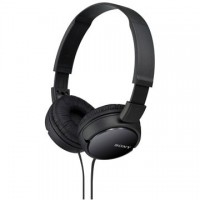

Compare Sony MDR-ZX110 with:
Compare JBL TUNE 110 with:
Top Differences
- Noise Cancelling: No vs NA
- Driver Size: 30 mm vs 9 mm
- Weight: 120 g vs 12.7 gm
- Impedance: 24 ohms Vs 16 ohm