 ALERT
ALERT
Sony MDR-Z1R vs Sennheiser HD 820
Advertisement
| Specification | ||
|---|---|---|
| Price | Rs.149,624.17 |
Rs.209,990.00 |
| Brand | Sony |
Sennheiser |
| Model No | MDR-Z1R |
HD 820 |
| Wired / Wireless | Wired Headphone Specification |
Wired Headphone Specification |
| Headphone Type | Over Ear |
Over Ear |
| Magnet Type | Neodymium |
Dynamic |
| Driver Diameter | 70 mm |
56 mm |
| Impedance | 64 ohm |
300 Ohms |
| Sensitivity | 100 dB/mW |
103 dB / mW |
| Frequency Response | 4 Hz - 120000 Hz |
6Hz - 48KHz |
| Maximum Power Input | 2,500 mW |
500 mW |
| Noise Cancelling | NA |
Noise Cancelling |
| Available Colors | Black |
Black |
| Connector Plating | 3.5 mm Silver-Coated OFC Strands, L Gold-Plated |
3.5 mm Stereo Jack Plug |
| Cable | Tangle-Free Cable |
XLR-4 Balanced Cable |
| Weight | 385 Gm |
360 GM |
| Other Features | Keep the sound pure. Hard case for storage. Enjoy lightweight luxury. Enfolding design structure. Listen in cushioned comfort. Signature Series Headphones. Smooth sound at all frequencies. Engineered and crafted in Japan. TA-ZH1ES compatible for ultimate sound. Hear music at it best with High-Res Audio. Hear the difference with massive 70mm HD drivers. Enjoy full range sound up to 120kHz frequency response. Ensure superior sound quality with a separated ground cable. Minimize resistance and signal loss with silver-coated OFC cables. |
Country of Origin: Germany. New reference for closed back headphones. 56mm Ring Radiator dynamic transducer system. Closed, circumaural dynamic stereo, headphones. The new audiophile standard for closed-back headphones. Enjoy audiophile sound quality, whether at home or on the move. Natural hearing experience - realistic sound field with minimal resonance. Ultra-ergonomic adjustable metal headband with inner damping element. Acoustic absorber system prevents frequency masking for unheralded detail. Concave Gorilla Glass reflectors deliver impressive spatial sound reproduction. Luxuriously comfortable microfiber ear and headband padding on key contact points. Developed in Germany and precision-built at Sennheiser’s state-of-the-art Ireland plant Glass covered ear cups make the transducer visible, this special design innovation reflects the sound from the transducer to an absorber to minimize distortion. |
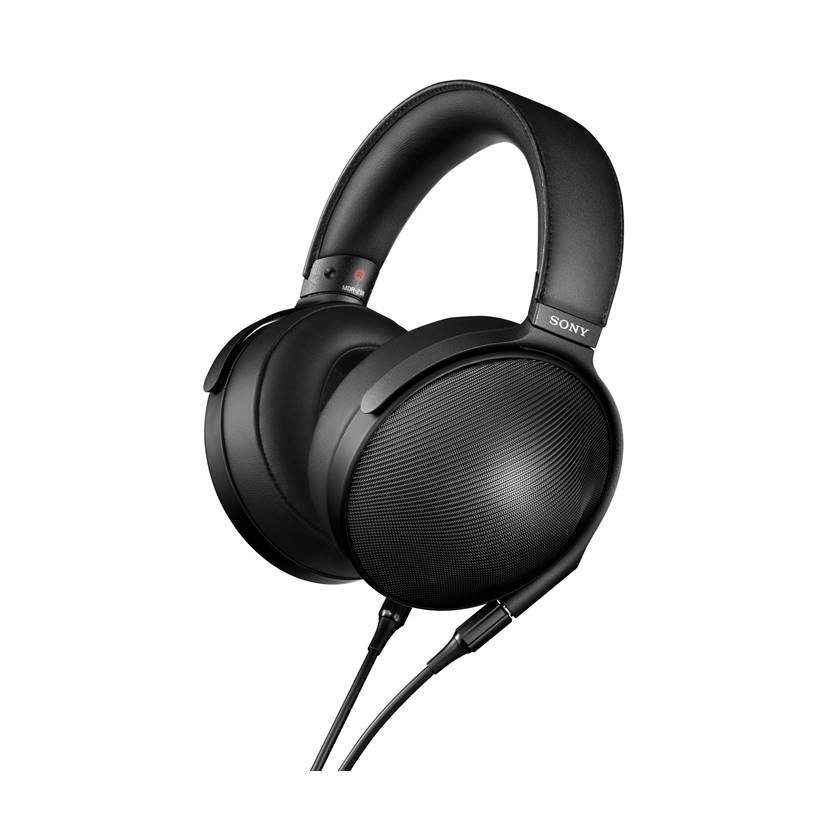
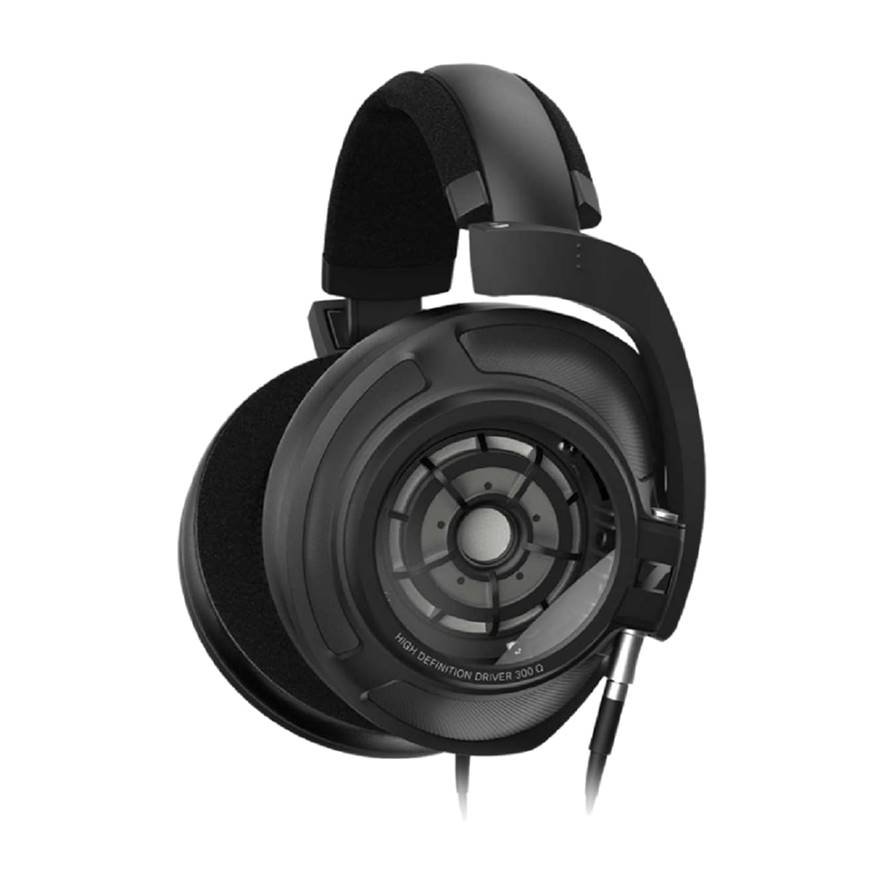
Advertisement
Compare Sony MDR-Z1R with:
Compare Sennheiser HD 820 with:
Top Differences
- Noise Cancelling: NA vs Noise Cancelling
- Driver Size: 70 mm vs 56 mm
- Weight: 385 Gm vs 360 GM
- Impedance: 64 ohm Vs 300 Ohms
Advertisement