 ALERT
ALERT
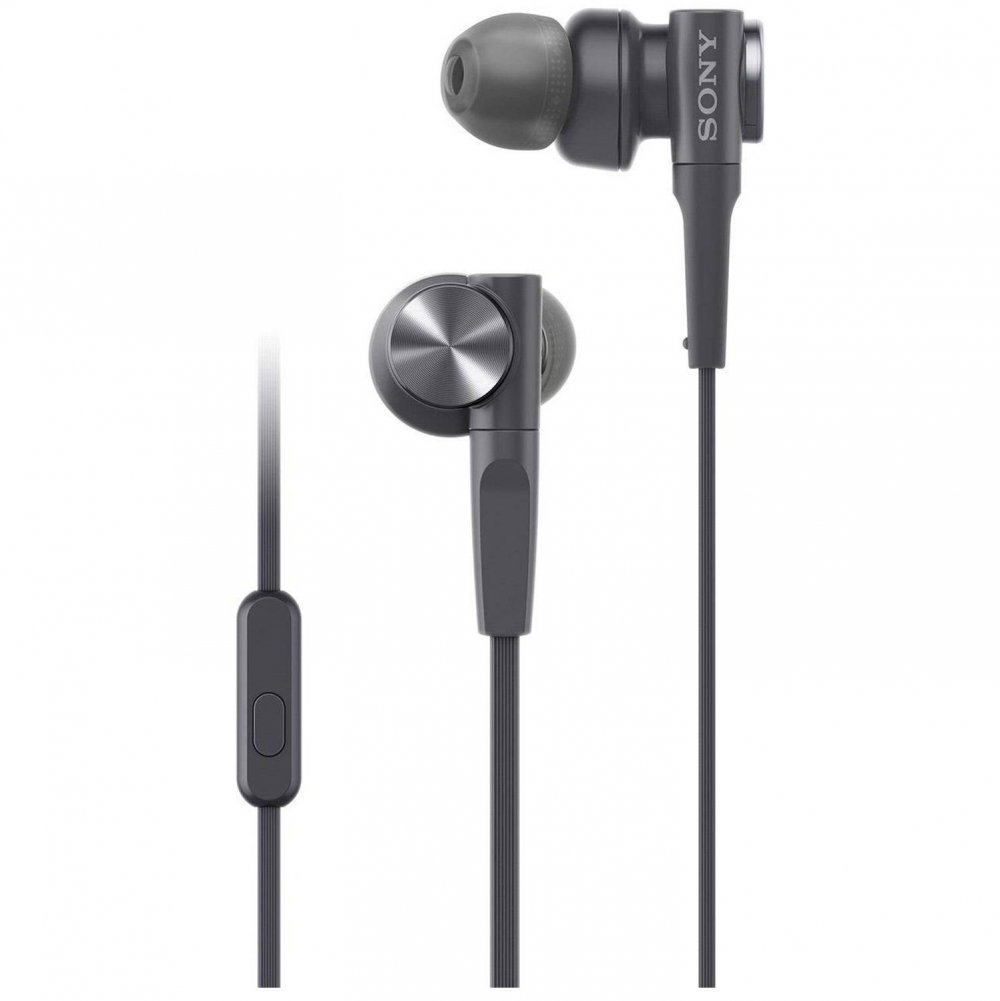
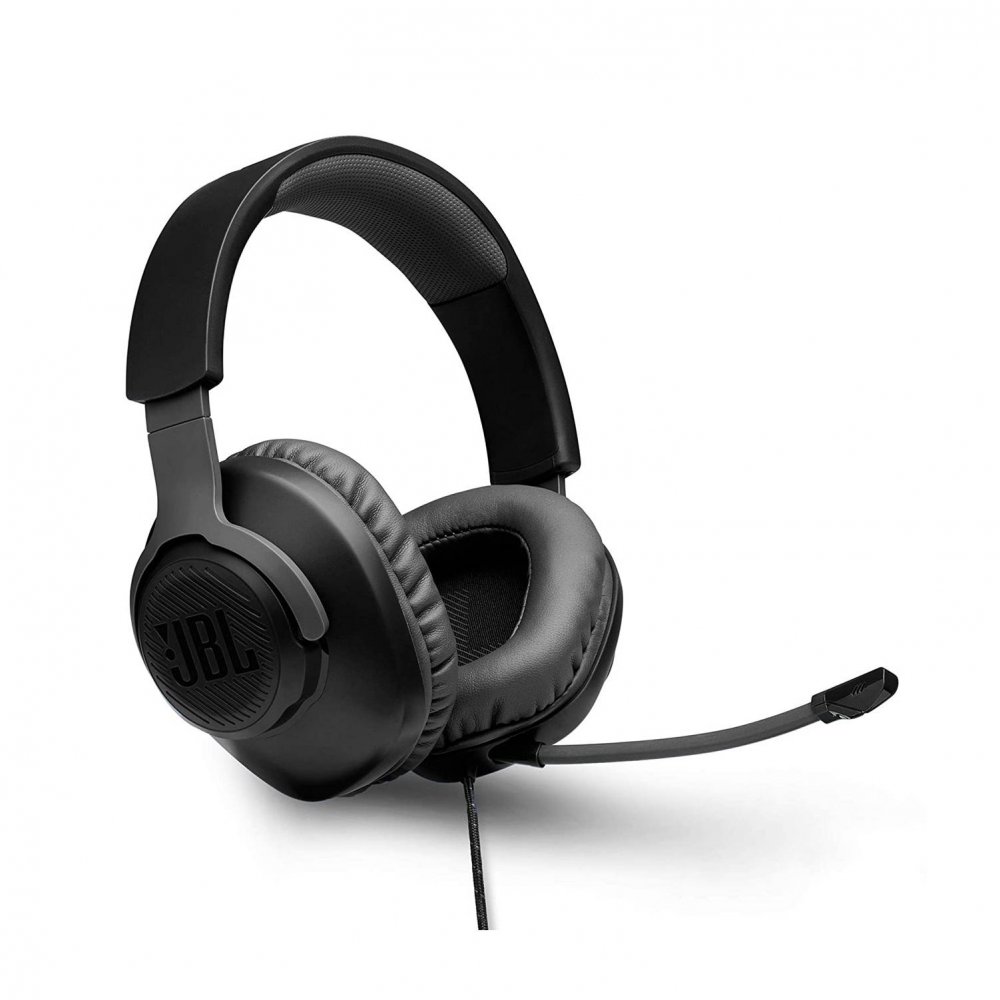
Sony MDR-XB55AP vs JBL Quantum 100
Advertisement
| Specification | ||
|---|---|---|
| Price | Rs.2,490.00 |
Rs.2,499.00 |
| Brand | Sony |
JBL |
| Model No | MDR-XB55AP |
Quantum 100 |
| Wired / Wireless | Wired Headphone Specification |
Wired Headphone Specification |
| Headphone Type | In Ear Canal |
Over Ear |
| Magnet Type | Neodymium |
Dynamic |
| Driver Diameter | 12 mm |
40 mm |
| Impedance | 16 ohm |
32 ohm |
| Sensitivity | 110 dB/mW |
96dB1mW |
| Frequency Response | 4 Hz - 24,000 Hz |
20 Hz - 20000 Hz |
| Maximum Power Input | 100 mW |
20 mW |
| Noise Cancelling | NA |
NA |
| Available Colors | Black, White, Blue |
Black, White, Blue |
| Connector Plating | 3.5 mm |
3.5 mm |
| Cable | Tangle- Free Cable |
NA |
| Weight | 8 gm |
220 gm |
| Other Features | Inline remote and mic for hands-free calls. Powered Bass Duct++ for extra deep bass. Portable Headphone Amplifier. L-shaped gold-plated 4-pole mini plug. Lightweight for ultimate music mobility. Smartphone-compatible with in-line remote mic. EXTRA BASS for club-like sound. Headphones made for Electronic Dance Music. 12 mm neodymium drivers for powerful, balanced sound. The cable has a serrated design to resist snags and tangles, keeping your headphones knot-free. |
JBL Quantum SOUND Signature. Play even longer in memory foam comfort. Compatible with Windows Sonic Spatial Sound. Voice focus directional flip-up boom microphone. Be at the center of the game with JBL Quantum SOUND Signature. 1 Year Warranty Provided by the Manufacturer from Date of Purchase |
Advertisement
Compare Sony MDR-XB55AP with:
Compare JBL Quantum 100 with:
Top Differences
- Driver Size: 12 mm vs 40 mm
- Weight: 8 gm vs 220 gm
- Impedance: 16 ohm Vs 32 ohm
Advertisement