 ALERT
ALERT
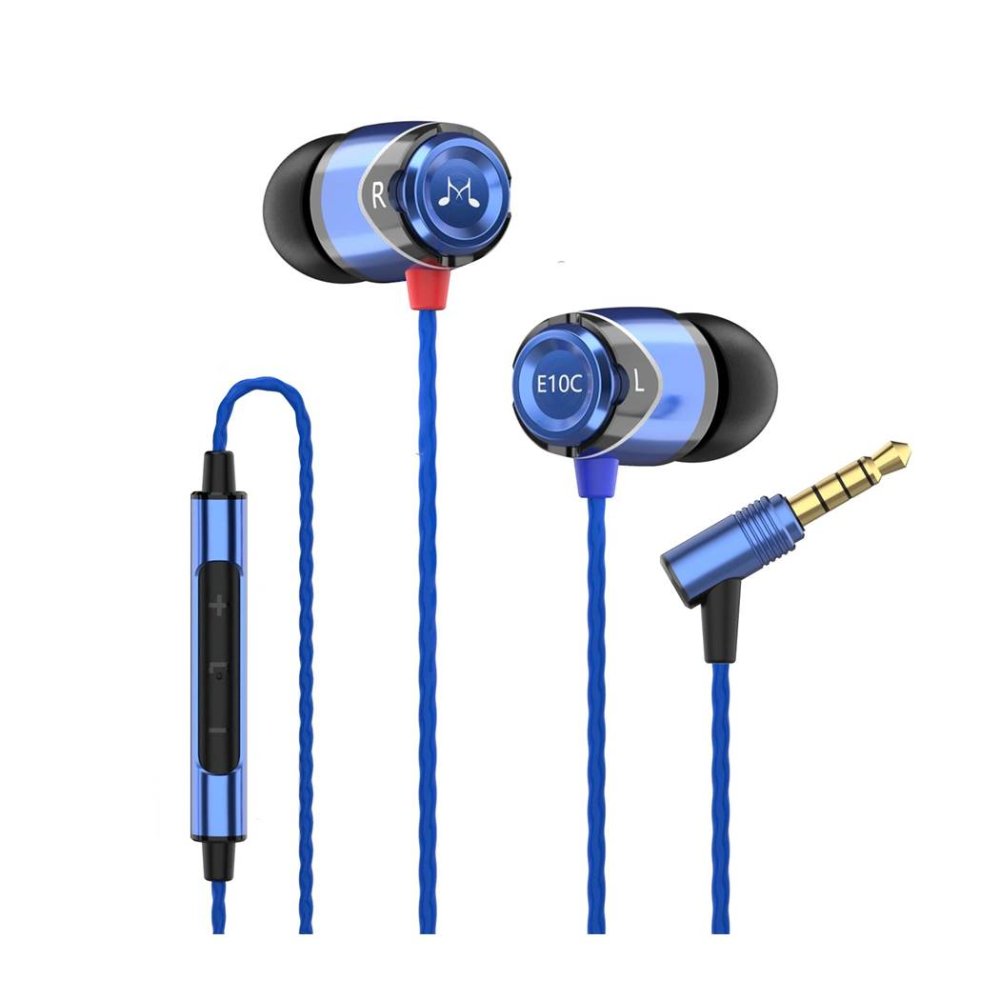
Sony MDR-XB550AP vs SoundMAGIC E10C
Advertisement
| Specification | ||
|---|---|---|
| Price | Rs.3,290.00 |
Rs.3,199.00 |
| Brand | Sony |
SoundMAGIC |
| Model No | MDR-XB550AP |
E10C |
| Wired / Wireless | Wired Headphone Specification |
Wired Headphone Specification |
| Headphone Type | Over Ear |
In Ear |
| Magnet Type | Neodymium |
Dynamic / Neodymium |
| Driver Diameter | 30 mm |
10 mm |
| Impedance | 24 ohm |
46 Ohms |
| Sensitivity | 102 dB/mW |
100dB 1kHz/mW |
| Frequency Response | 5 Hz - 22,000 Hz |
15 Hz - 22KHz |
| Maximum Power Input | 5 V DC |
20 mW |
| Noise Cancelling | No |
Sound Isolation |
| Available Colors | Black, Blue, Red, Grey |
Blue, Red, Gold, Silver |
| Connector Plating | Stereo 3.5 mm |
3.5 mm Gold-Plated Straight Stereo |
| Cable | Tangle - Free Cable |
Robust Tangle-Free Twisted Cable |
| Weight | 180 gm |
11 GM |
| Other Features | EXTRA BASS2 for deep, punchy sound. Smartphone compatible in-line remote and mic. Adjustable metal headband for the perfect fit. Cushioned earpads for long-listening comfort. L-shaped gold-plated 4-pole mini plug. |
Skype, VoIP adapter included. Comfortable fit and distinctive design. Robust tangle-free twisted cable design. Unique, all metal earphone construction. Made for Apple and Android smartphones. Powerful bass balanced with superb musical detail. Integrated 3-button smart remote and microphone. |

Advertisement
Compare Sony MDR-XB550AP with:
Compare SoundMAGIC E10C with:
Top Differences
- Noise Cancelling: No vs Sound Isolation
- Driver Size: 30 mm vs 10 mm
- Weight: 180 gm vs 11 GM
- Impedance: 24 ohm Vs 46 Ohms
Advertisement