 ALERT
ALERT
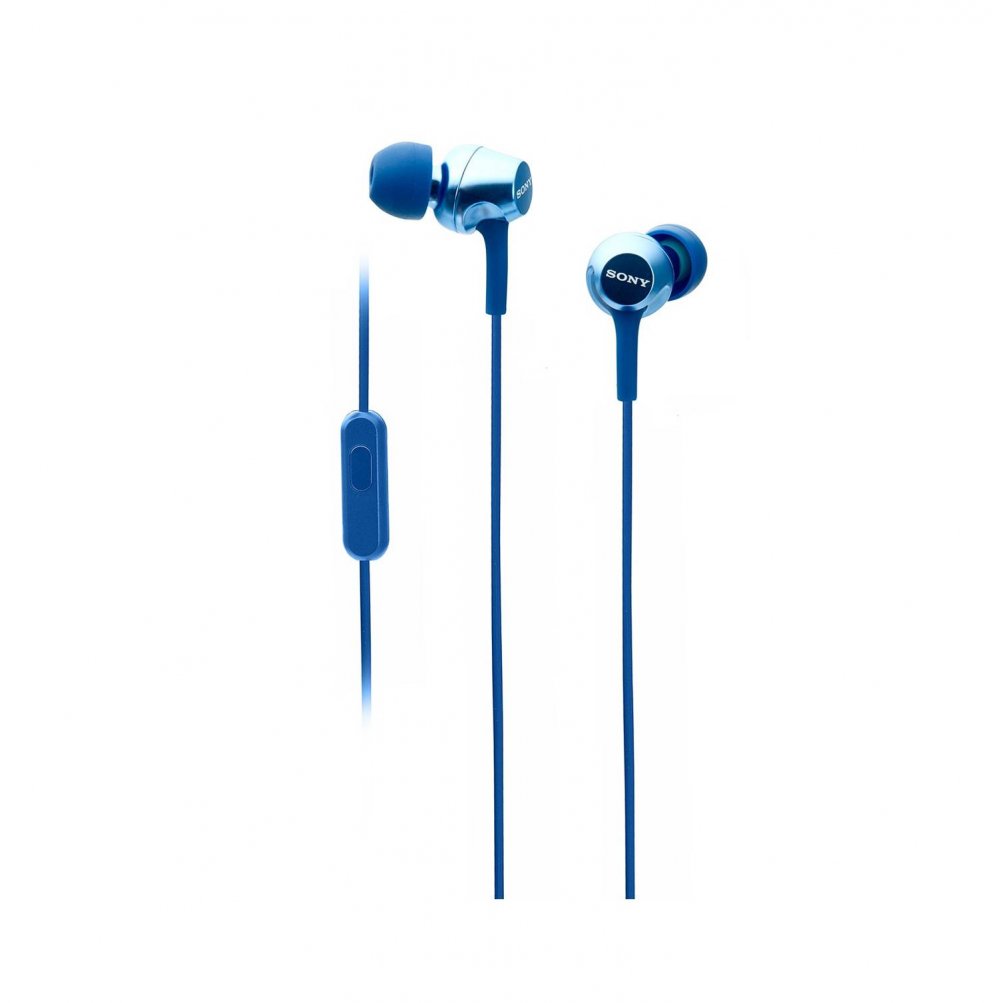
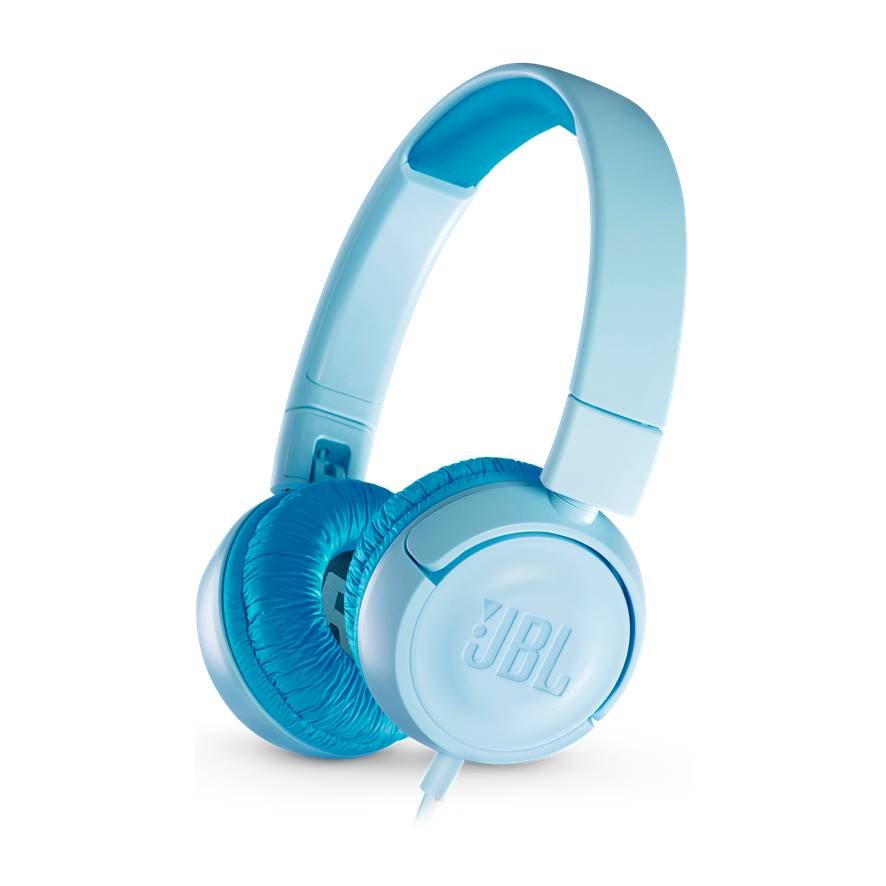
Sony MDR-EX255AP vs JBL JR300
Advertisement
| Specification | ||
|---|---|---|
| Price | Rs.1,990.00 |
Rs.1,999.00 |
| Brand | Sony |
JBL |
| Model No | MDR-EX255AP |
JR300 |
| Wired / Wireless | Wired Headphone Specification |
Wired Headphone Specification |
| Headphone Type | In Ear Canal |
On Ear |
| Magnet Type | Neodymium |
Dynamic |
| Driver Diameter | 12 mm |
32 mm |
| Impedance | 16 ohm |
32 Ohms |
| Sensitivity | 106 dB/mW |
85dB SPL@ 1kHz 1mW |
| Frequency Response | 5 Hz - 25,000 Hz |
20 Hz - 20KHz |
| Maximum Power Input | 100 mW |
NA |
| Noise Cancelling | NA |
NA |
| Available Colors | Black, Blue |
Black, Red |
| Connector Plating | 3.5 mm |
3.5 mm Audio Jack |
| Cable | Tangle- Free Cable |
Tangle-Free Flat Cable |
| Weight | 3 gm |
108 GM |
| Other Features | Smartphone compatible, with in-line remote mic. Inline remote and mic for hands-free calls. Comfortable, secure-fitting silicone earbuds. L-shaped gold-plated 4-pole mini plug. Lightweight for ultimate music mobility. Y-shaped cord type, 1.2 m length. The cable has a serrated design to resist snags and tangles, keeping your headphones knot-free. High-sensitivity 12 mm driver units deliver clear highs and powerful lows from a compact design. |
JBL Safe Sound Comfort Fit : Soft padded headband and ear cushions for feathery fit. Designed For Kids : Custom designed ear cushions and headband with cool colors. Make It Yours Stickers Set : Kids can personalize the headphones with the stickers set in the box. Ultra-Portable : Compact, foldable design and single-side flat cable combined to make music highly portable. JBL Safe Sound ( <85dB ) : JBL legendary sound designed to always limit the volume below 85dB making them safe for even the youngest music fans. |
Advertisement
Compare Sony MDR-EX255AP with:
Compare JBL JR300 with:
Top Differences
- Driver Size: 12 mm vs 32 mm
- Weight: 3 gm vs 108 GM
- Impedance: 16 ohm Vs 32 Ohms
Advertisement