 ALERT
ALERT
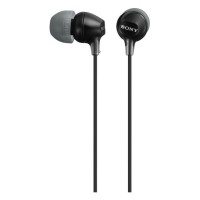
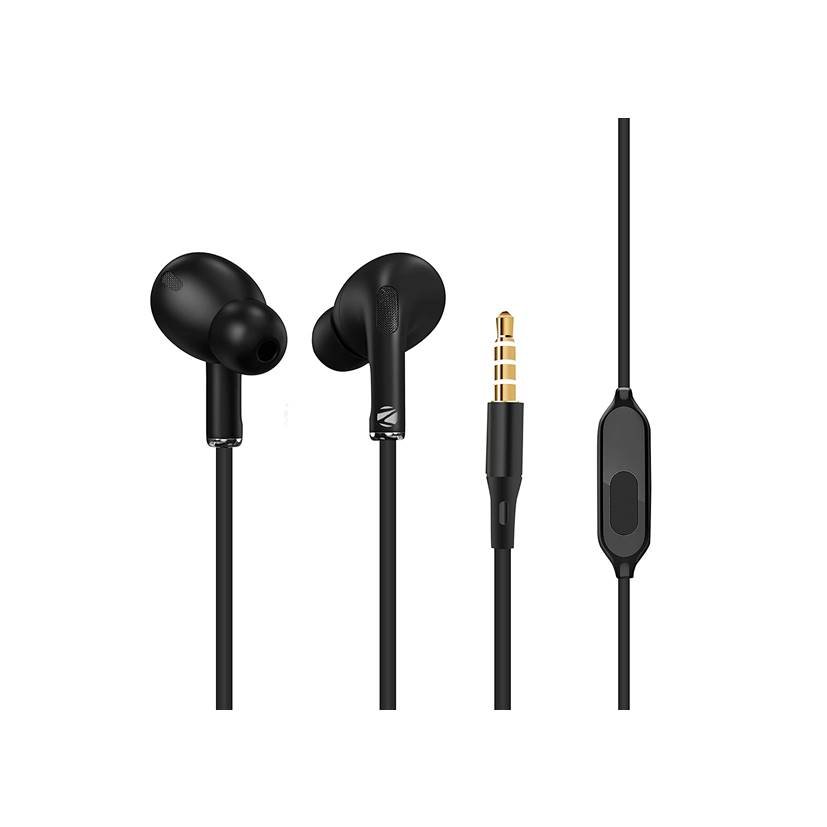
Sony MDR-EX15LP vs Zebronics Zeb-Tulip
Advertisement
| Specification | ||
|---|---|---|
| Price | Rs.500.00 |
Rs.459.00 |
| Brand | Sony |
Zebronics |
| Model No | MDR-EX15LP |
Zeb-Tulip |
| Wired / Wireless | Earphone Specification |
Earphone Specification |
| Headphone Type | In Ear Canal |
In Ear Canal |
| Magnet Type | Neodymium |
Dynamic |
| Driver Diameter | 9 mm |
14 mm |
| Impedance | 16 ohms |
32 ohm |
| Sensitivity | 100 dB |
106±3 dB |
| Frequency Response | 8 - 22,000 Hz |
20 Hz - 20000 Hz |
| Maximum Power Input | 100 mW |
NA |
| Noise Cancelling | No |
NA |
| Available Colors | Black, White, Blue, Pink |
Black, White |
| Connector Plating | L-Shaped 3.5 mm Gold Plated Jack |
3.5 mm Gold Plated |
| Cable | 1.2 m |
Strong & Long Lasting Cable |
| Weight | 3 g (without cable) |
17.5 Gm |
| Other Features | - Enjoy clear, powerful sound with high-power neodymium magnets - Avoid annoying tangles with the Y-type cord and slider |
Zeb-Tulip is a wired earphone that comes with an in-ear design. It features an in-line mic in an optimum position for a better hands-free experience, 14mm drivers, call function, long and strong cable along with a 3.5 mm jack. |
Advertisement
Compare Sony MDR-EX15LP with:
Compare Zebronics Zeb-Tulip with:
Top Differences
- Noise Cancelling: No vs NA
- Driver Size: 9 mm vs 14 mm
- Weight: 3 g (without cable) vs 17.5 Gm
- Impedance: 16 ohms Vs 32 ohm
Advertisement