 ALERT
ALERT
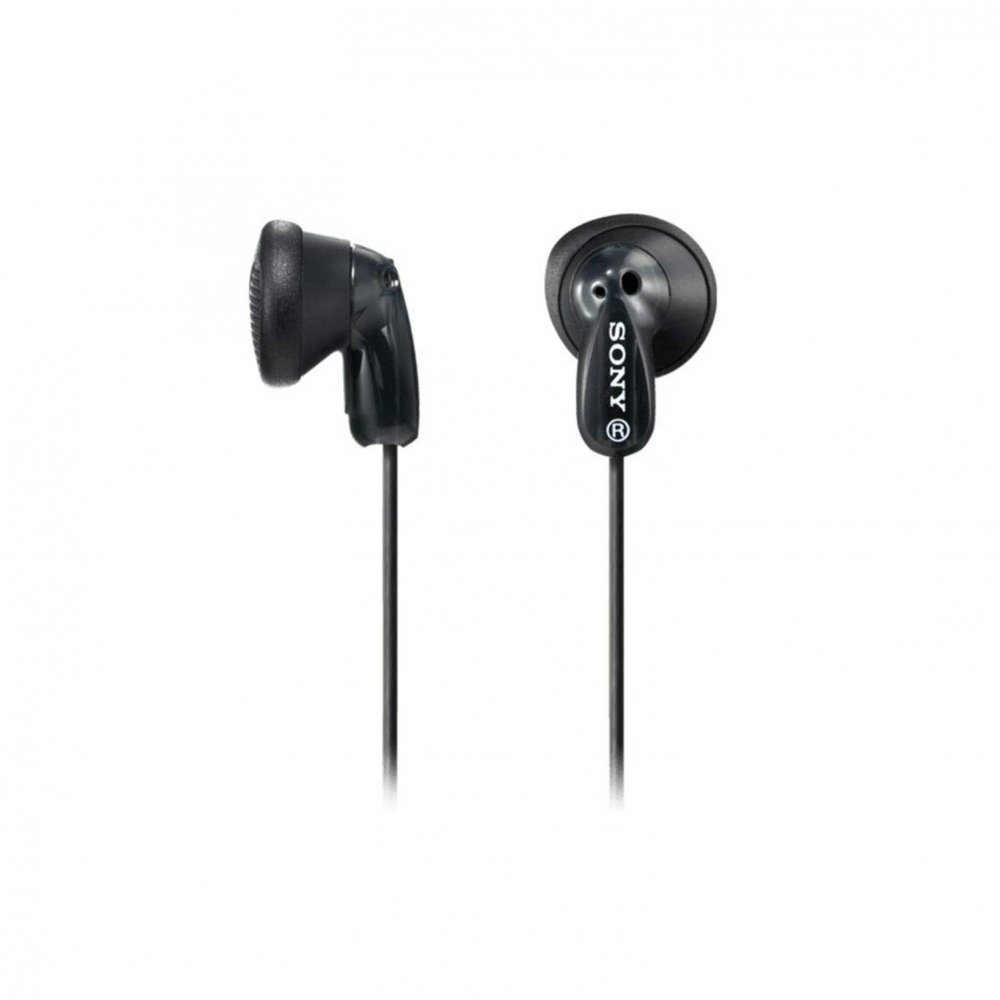
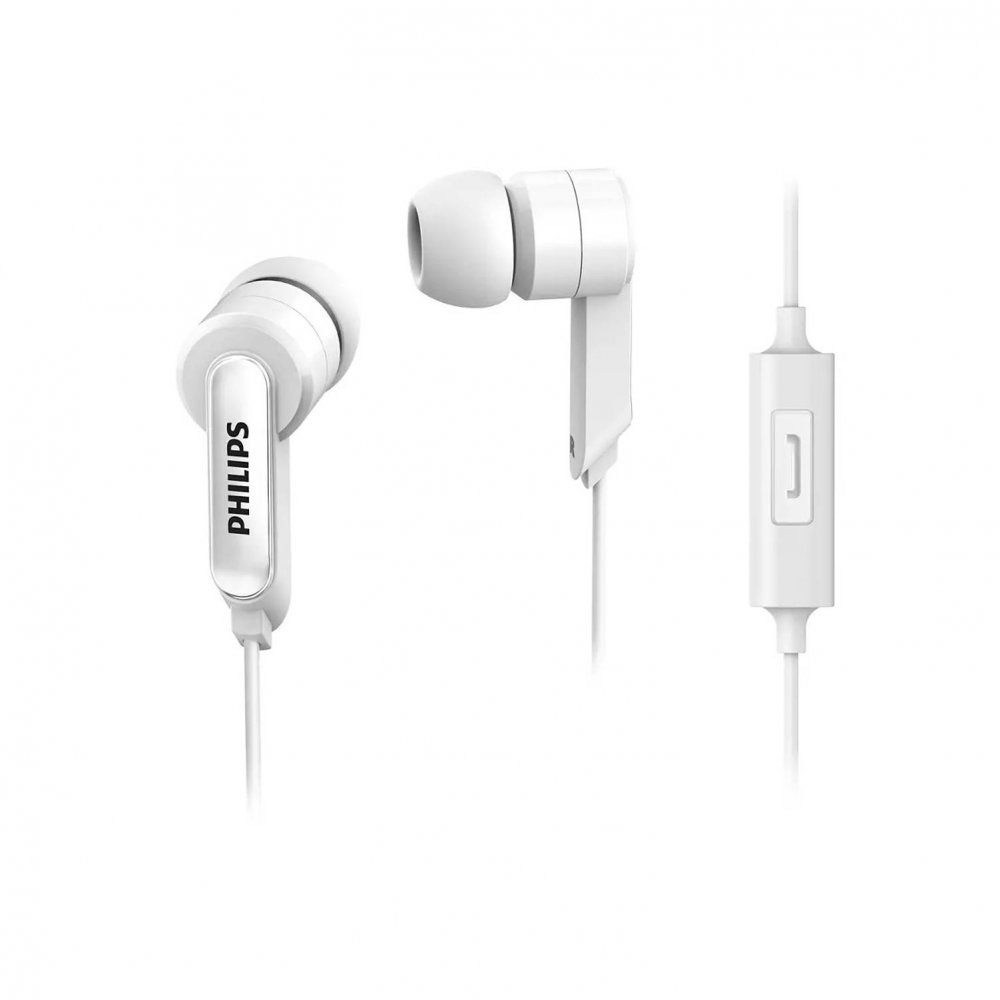
Sony MDR-E9LP vs Philips SHE1405WT/94
Advertisement
| Specification | ||
|---|---|---|
| Price | Rs.590.00 |
Rs.599.00 |
| Brand | Sony |
Philips |
| Model No | MDR-E9LP |
SHE1405WT/94 |
| Wired / Wireless | Wired Headphone Specification |
Wired Headphone Specification |
| Headphone Type | In Ear |
In Ear Canal |
| Magnet Type | Neodymium |
Neodymium |
| Driver Diameter | 13.5 mm |
8.6 mm |
| Impedance | 32 ohm |
16 ohm |
| Sensitivity | 104 dB/mW |
103 dB |
| Frequency Response | 18 Hz - 20000 Hz |
10 Hz - 22000 kHz |
| Maximum Power Input | 2mW |
20 mW |
| Noise Cancelling | No |
NA |
| Available Colors | Black |
White |
| Connector Plating | 3.5 mm |
3.5 mm stereo Chrome-Plated Jack |
| Cable | Tangle- Free Durable Cable (1.2 m) |
Tangle Resistant Cable |
| Weight | 6 gm |
20 gm |
| Other Features | 13.5 mm driver unit reproduces powerful bass sound Durable and lightweight 1.2 m cord Use your headphones with a Walkman®, iPod™ or MP3 player Large range of colours available - match with your music player or choose your favourite |
In-ear design. White color. Mic lets you take calls effortlessly. Integrated microphone & call button. A 1.2m long cable that is ideal for outdoor use. 3 interchangeable rubber ear caps for optimal fit in all ear. Compatible with iPhone, White, Samsung, Motorola, HTC, LG, Sony, etc. Speakers for dynamic bass and clear sound. In-line integrated mic and pick up button for convenient calls. |
Advertisement
Compare Sony MDR-E9LP with:
Compare Philips SHE1405WT/94 with:
Top Differences
- Noise Cancelling: No vs NA
- Driver Size: 13.5 mm vs 8.6 mm
- Weight: 6 gm vs 20 gm
- Impedance: 32 ohm Vs 16 ohm
Advertisement