 ALERT
ALERT
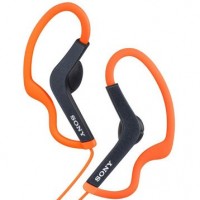
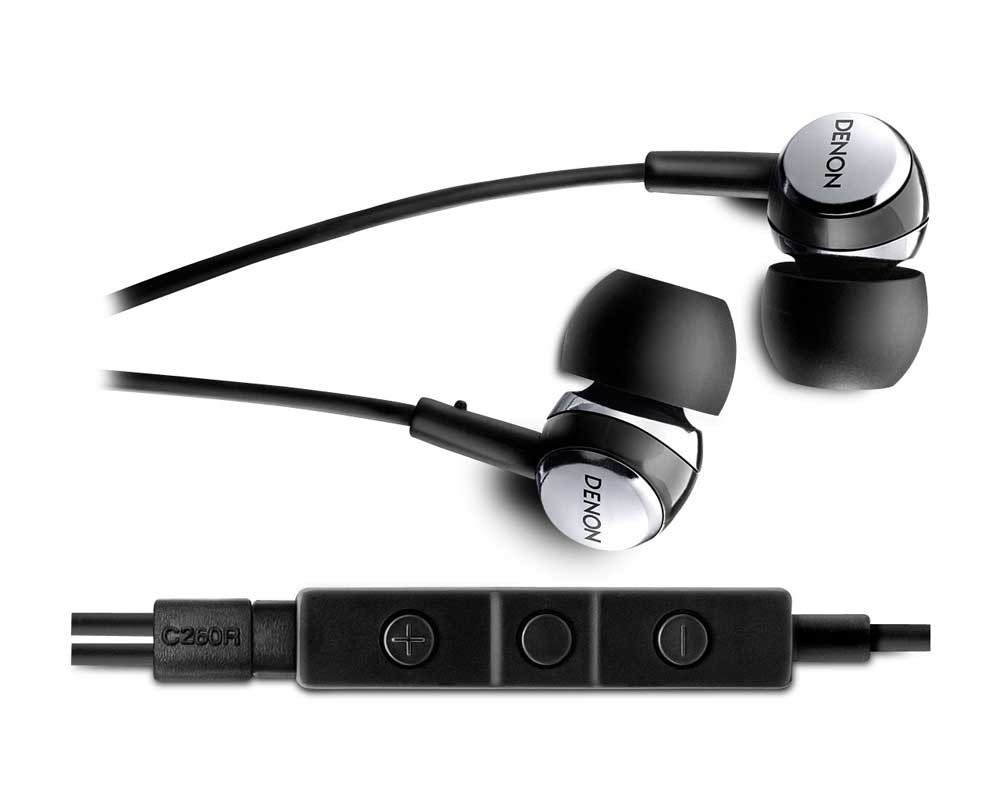
Sony MDR-AS200 vs Denon AH-C260R
Advertisement
| Specification | ||
|---|---|---|
| Price | Rs.790.00 |
Rs.850.00 |
| Brand | Sony |
Denon |
| Model No | MDR-AS200 |
AH-C260R |
| Wired / Wireless | Earphone Specification |
Earphone Specification |
| Headphone Type | Ear Clip |
In Ear Canal |
| Magnet Type | Neodymium |
Neodymium |
| Driver Diameter | 13.5 mm |
9 mm |
| Impedance | 16 ohms |
16 Ohms |
| Sensitivity | 104 dB |
103 dB/mW |
| Frequency Response | 17 - 22,000 Hz |
20 Hz-23,000 Hz |
| Maximum Power Input | 50 mW |
1000 mW |
| Noise Cancelling | No |
NA |
| Available Colors | Blue, Orange |
Black |
| Connector Plating | L-Shaped 3.5 mm Gold Plated Jack |
3.5 mm Gold Plated Jack |
| Cable | 1.2 m |
1.3 m |
| Weight | 12 g |
2.2 g |
| Other Features | - Newly developed serrated cord that reduces tangles - Water resistant and sweat-proof |
- 3-button Remote + Mic + volume with the + and – buttons - Radial Cascade Damper reduces cable transmitted vibration noise - Acoustic Optimiser achieves optimum acoustic characteristics by adjusting the sound pressure balance in front of and behind the diaphragm - Hybrid material driver housing for highest fidelity sound reproduction - Ergonomic design, for a snug fit in the ear and comfortable wearing - Dynamic sound from 9 mm Neodymium magnet driver units - Canal-type in-ear headphone reduces external noise and lets listeners enjoy the music - Comes with cable clip to keep the cable from tangling or fluttering in the wind |
Advertisement
Compare Sony MDR-AS200 with:
Compare Denon AH-C260R with:
Top Differences
- Noise Cancelling: No vs NA
- Driver Size: 13.5 mm vs 9 mm
- Weight: 12 g vs 2.2 g
Advertisement