 ALERT
ALERT
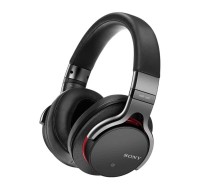
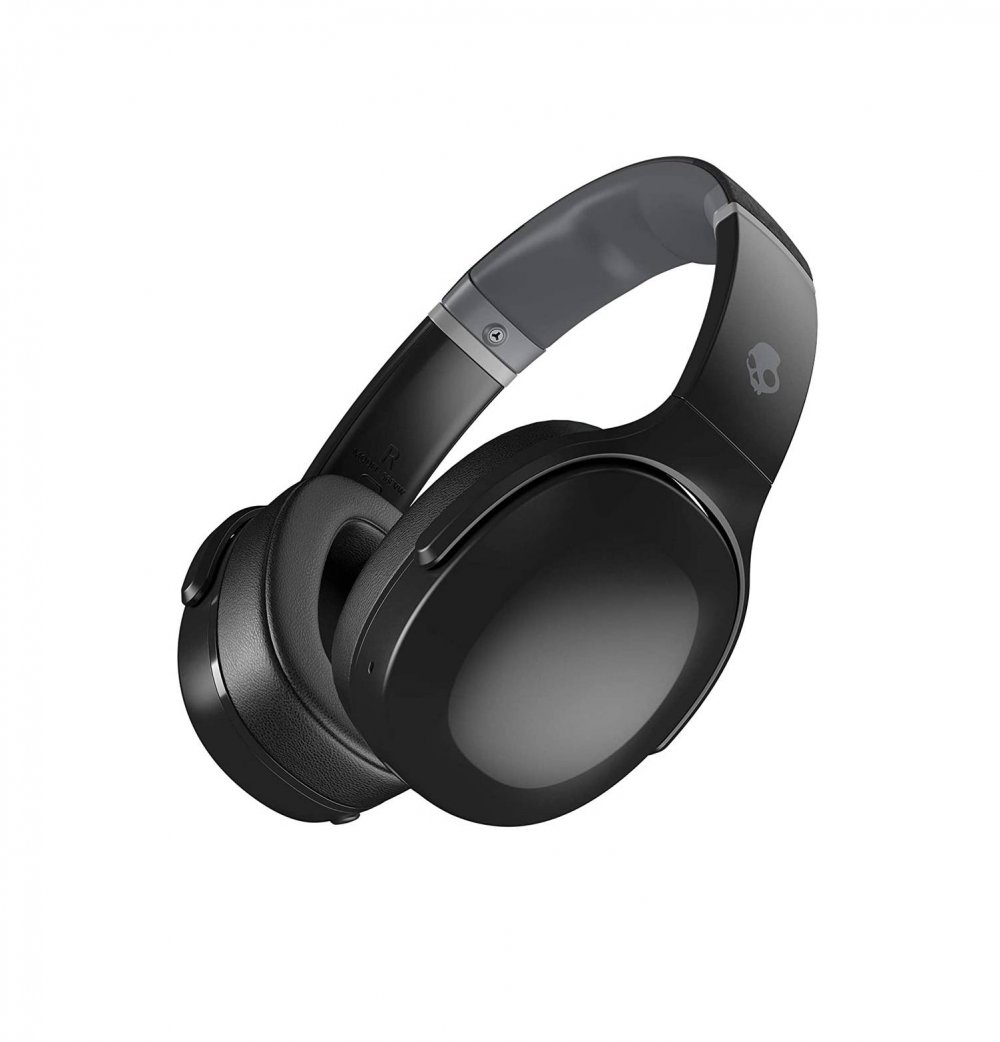
Sony MDR-1ABT vs Skullcandy Crusher Evo Sensory Bass
Advertisement
| Specification | ||
|---|---|---|
| Price | Rs.26,000.00 |
Rs.24,999.00 |
| Brand | Sony |
Skullcandy |
| Model No | MDR-1ABT |
Crusher Evo Sensory Bass |
| Wired / Wireless | Wireless Headphone Specification |
Wireless Headphone Specification |
| Headphone Type | Over Ear |
Over Ear |
| Magnet Type | Neodymium |
Dynamic |
| Driver Diameter | 40 mm Dyna |
40 mm |
| Impedance | 24Ω (1kHz)-when using the headphone cable |
32 Ohm±15% |
| Sensitivity | 98 dB/mW |
95~100dB |
| Frequency Response | 4 Hz - 100,000Hz |
20 Hz - 20000 Hz |
| Maximum Power Input | 100 Mw |
NA |
| Wireless / Bluetooth Details | ||
| Wireless Technology | Bluetooth |
Bluetooth |
| Bluetooth Version | Bluetooth Power Clas |
5.0 |
| Compatible Profiles | A2DP, AVRCP |
All Bluetooth Devices |
| Supported Codecs | SBC, AAC, apt-X, LDAC |
HSP, HFP, AVRCP, A2DP |
| Battery Type | Lithium-ion rechargeable battery |
Lithium Polymer Batteries |
| Bluetooth Range | Approx. 30ft (10m) |
10 Meters |
| Battery Life | 30 Hrs |
40 Hours |
| Charging Time | 4 Hrs |
2 Hours |
| Noise Cancelling | NA |
Active |
| Available Colors | Black |
Black, Grey |
| Connector Plating | 3.5 mm Gold Plated Plug |
3.5 mm |
| Cable | 1.2 m |
Type-C USB Charging Cable |
| Weight | Approx. 300 g |
312 gm |
| Other Features | - Cord - Single-sided (detachable) - Diaphragm - Aluminium-coated Liquid Crystal Polymer - Plug - Gold-plated L-shaped Stereo Mini - S-Master digital amplifier and DSEE take you closer to the original studio recording - Touch sensor for simple, convenient control - Highest quality Bluetoothâ„¢ streaming with LDAC Microphone - Unit/Type - Electret Condenser Microphone - Directivity - Omni directional Microphone - Frequency Range - 100Hz-4,000Hz Additional Bluetooth Features - Frequency Band - 2.4GHz band - Near Field Communication (NFC) - Yes |
Flat-Folding and Collapsible. Call, Track and Volume Control. Built-in Tile™ Finding Technology. Crusher Adjustable Sensory Bass. 40 Hours of Battery + Rapid Charge. Personal Sound with Skullcandy App. If you ever misplace your headphones, you can easily “ring†them from the Tile App. So what might have seemed lost, is now quickly found. |
Advertisement
Compare Sony MDR-1ABT with:
Compare Skullcandy Crusher Evo Sensory Bass with:
Top Differences
- Battery Life: 30 Hrs vs 40 Hours
- Noise Cancelling: NA vs Active
- Bluetooth: Bluetooth Power Clas vs 5.0
- Weight: Approx. 300 g vs 312 gm
- Impedance: 24Ω (1kHz)-when using the headphone cable Vs 32 Ohm±15%
Advertisement