 ALERT
ALERT
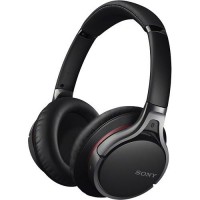
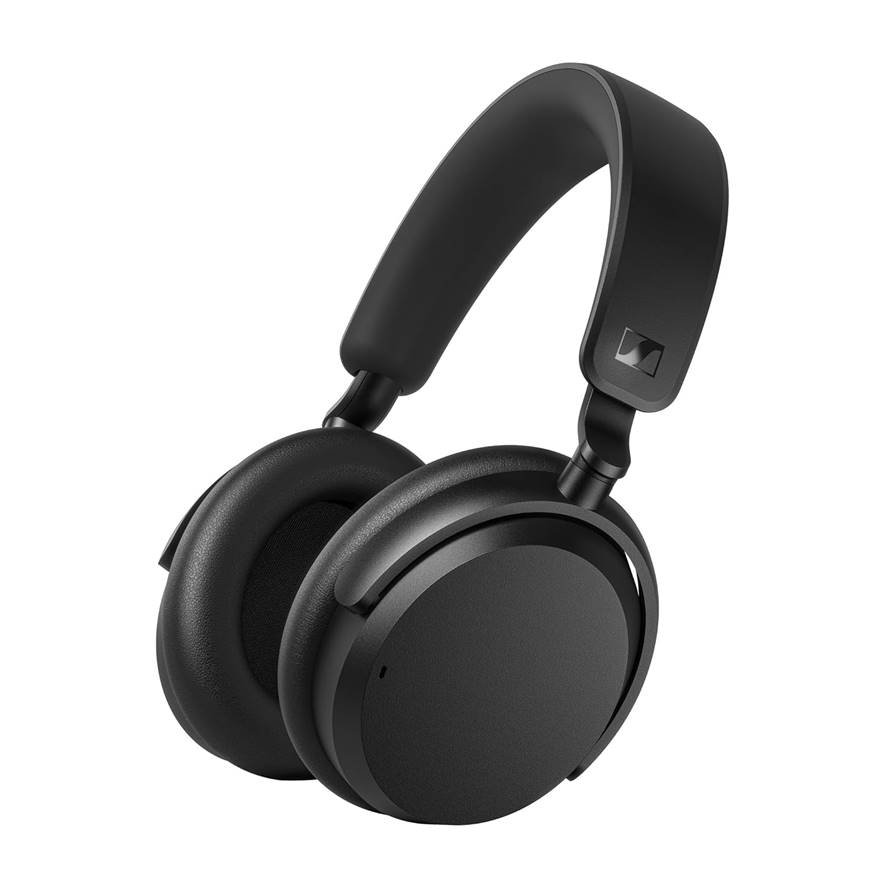
Sony MDR-10RBT vs Sennheiser Accentum Wireless
Advertisement
| Specification | ||
|---|---|---|
| Price | Rs.14,990.00 |
Rs.14,990.00 |
| Brand | Sony |
Sennheiser |
| Model No | MDR-10RBT |
Accentum Wireless |
| Wired / Wireless | Wireless Headphone Specification |
Wireless Headphone Specification |
| Headphone Type | Over Ear |
Over Ear |
| Magnet Type | Neodymium |
Dynamic |
| Driver Diameter | 40 mm |
37 mm |
| Impedance | 36 ohms |
560 Ohms |
| Sensitivity | 102 dB |
106 dB SPL |
| Frequency Response | 5 - 40,000 Hz |
10Hz - 22KHz |
| Maximum Power Input | 1500 mW |
10 mW |
| Wireless / Bluetooth Details | ||
| Wireless Technology | Bluetooth |
Bluetooth |
| Bluetooth Version | 3.0 |
5.2 |
| Compatible Profiles | A2DP, AVRCP, HFP, HSP |
All Bluetooth Devices |
| Supported Codecs | SBC, AAC, aptX |
SBC, AAC, aptXâ„¢, aptX HDâ„¢, mSBC, CVSD |
| Battery Type | Lithium Ion Rechargeable Battery |
Lithium-Ion Batteries |
| Bluetooth Range | 30 ft (10 m) |
10 Meters |
| Battery Life | Music Playtime: 17 hr |
50 Hours |
| Charging Time | 2.5 hr |
3 Hours |
| Noise Cancelling | No |
Hybrid Active Noise Cancelling |
| Available Colors | Black |
Black, White, Blue |
| Connector Plating | L-Shaped 3.5 mm Gold Plated Plug |
3.5 mm |
| Cable | 1.2 m |
USB Type-C Charging Cable |
| Weight | 210 g (including rechargeable battery) |
222 GM |
| Other Features | - One-touch Listening with NFC (Near Field Communications) - Microphone Unit Type: Electret Condenser - Built-In microphone for hands-free calling - Built-In remote with play, pause, stop, FF and FR functionality - Microphone Frequency Range: 100Hz - 4,000Hz |
After 10 min charging up to 5 hrs music playtime. Unrivaled 50-Hour Battery Playtime - Enjoy exceptional battery life that lasts up to 50 hours on a single charge. Sennheiser Sound - Discover high-quality Sennheiser audio, thanks to our own engineered and manufactured in-house transducer system. Hear external sounds with a touch - Transparency Mode enables you to stay aware of your surroundings without removing your headphones. Blocks out all distractions with ANC - Stay focused and immerse yourself in your music with effective hybrid active noise cancelling headphones. Extended Listening Pleasure : Boasting an impressive 50-hour battery life, this ergonomic, foldable design ensures superior comfort during long listening sessions. Sleek and stylish: Accentum's lightweight discrete design, with a soft touch silicon-lined headband, elevates your style while benefiting from a secure fit and a robust build. Immersive Sound At Home Or On The Go : Enjoy HD stereo sound with engineered precision, a built-in 5 Band EQ and customizable sound modes for a personalized listening experience. Your sound, your way - Customized your musical journey with a choice of sound modes, like Bass Boost and Podcast mode. Tailored-to-your-own preference with the built-in 5 Band equalizer. Hybrid ANC : Whether at work, at the gym, or outdoors, you can immerse yourself in your music with Active Noise Cancellation or stay aware of your surroundings thanks to the Transparency Mode. Crystal Clear Communication : Stay connected with exceptional voice transmission quality thanks to its 2-mic beamforming technology for clear, crisp communication during calls or voice commands. |
Advertisement
Compare Sony MDR-10RBT with:
Compare Sennheiser Accentum Wireless with:
Top Differences
- Battery Life: Music Playtime: 17 hr, Talk Time: 17 hr, Standby Time: 450 hr vs 50 Hours
- Noise Cancelling: No vs Hybrid Active Noise Cancelling
- Driver Size: 40 mm vs 37 mm
- Bluetooth: 3.0 vs 5.2
- Weight: 210 g (including rechargeable battery) vs 222 GM
Advertisement