 ALERT
ALERT
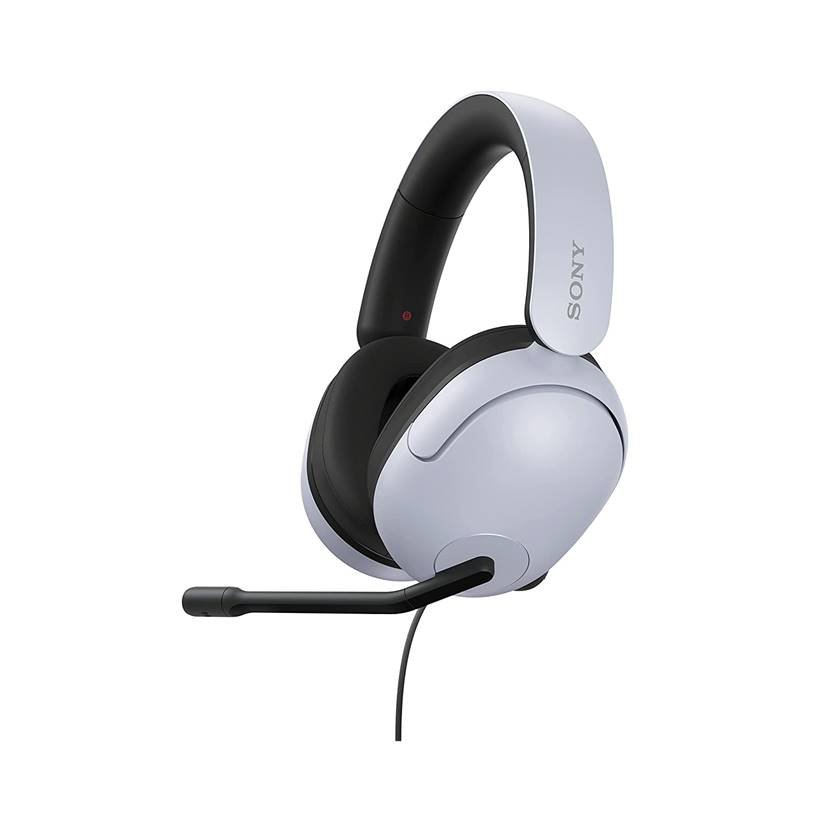
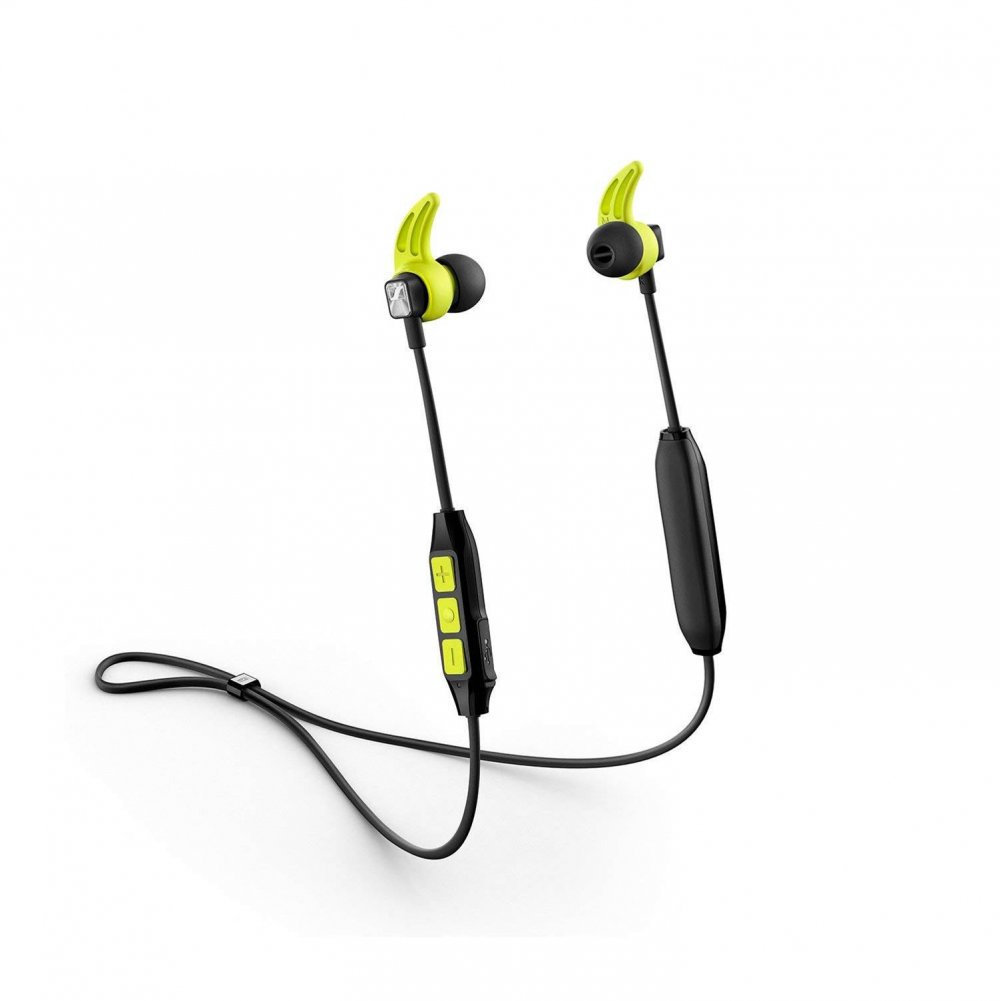
Sony INZONE H3 vs Sennheiser CX SPORT
Advertisement
| Specification | ||
|---|---|---|
| Price | Rs.9,990.00 |
Rs.9,990.00 |
| Brand | Sony |
Sennheiser |
| Model No | INZONE H3 |
CX SPORT |
| Wired / Wireless | Wireless Headphone Specification |
Wireless Headphone Specification |
| Headphone Type | Over Ear |
In Ear Canal |
| Magnet Type | Neodymium |
Dynamic |
| Driver Diameter | 40 mm |
10 mm |
| Impedance | 35 ohm |
28 ohm |
| Sensitivity | 92 dB/mW |
112 dB |
| Frequency Response | 10 Hz - 20000 Hz |
17 Hz - 21000 Hz |
| Maximum Power Input | 1500mW |
10 mW |
| Wireless / Bluetooth Details | ||
| Wireless Technology | Wired |
Bluetooth |
| Bluetooth Version | 4.2 |
|
| Compatible Profiles | All Bluetooth Devices |
|
| Supported Codecs | A2DP + AVRCP + HSP + HFP + Apt-X ® + Apt-X ® LL + AAC + SBC |
|
| Battery Type | Lithium-ion Polymer Batteries |
|
| Bluetooth Range | 10 Meters |
|
| Battery Life | 6 Hours |
|
| Charging Time | 1.5 Hours |
|
| Noise Cancelling | NA |
Active |
| Available Colors | White |
Black |
| Connector Plating | 3.5 mm Gold-Plated 4-Pole Mini Plug |
NA |
| Cable | Single - Sided Cable |
USB Charging Cable |
| Weight | 299 Gm |
15.07 gm |
| Other Features | Easy operation with multiple control buttons. Customise settings using INZONE Hub PC software. Boom microphone for seamless team communication. Ergonomically designed controls for effortless operation. Game for hours in comfort with soft headband and smooth ear pads. Soft headband cushion and smooth nylon ear pads for wearing comfort. Personalized 360 Spatial Sound for Gaming provides precise rival detection. Discord certified, clear communications via a flexible flip-up boom microphone with mute function. |
Sweat and splash resistant, designed to compliment your workout activities. Bluetooth 4.2 with multi-point connectivity allows pairing with eight (8) devices and simultaneous connection with two (2) devices. Sennheiser proprietary transducers, designed and engineered in Germany, deliver balanced and detailed sound with dynamic bass capability. 6 hour battery life from a 1.5 hours charge, a 10-minute quick charge provides an additional 1 hour of battery life making sure the CX SPORT is ready to work out. A choice of four sizes (XS, S, M, L) of ear adapters and three sizes (S, M, L) of ear fins create a personalized fit for optimal wearing comfort and excellent passive reduction of external noise. |
Advertisement
Compare Sony INZONE H3 with:
Compare Sennheiser CX SPORT with:
Top Differences
- Noise Cancelling: Active vs NA
- Driver Size: 10 mm vs 40 mm
- Weight: 15.07 gm vs 299 Gm
- Impedance: 28 ohm Vs 35 ohm
Advertisement