 ALERT
ALERT
Sony IER-Z1R vs Sony MDR-Z1R
Best For
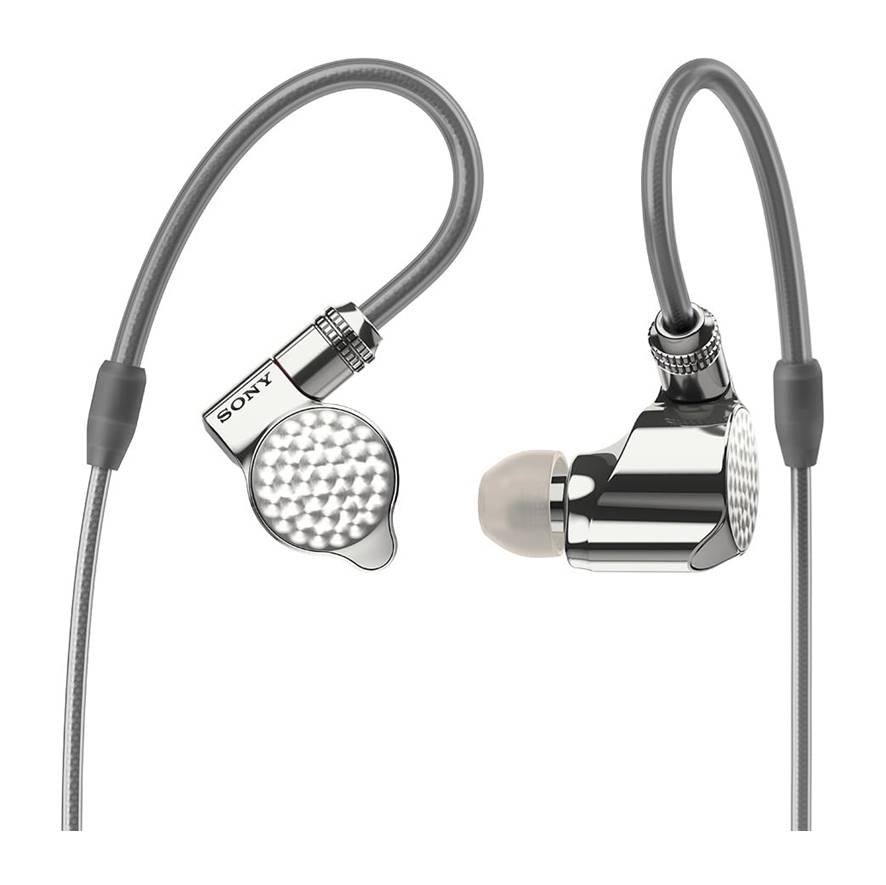
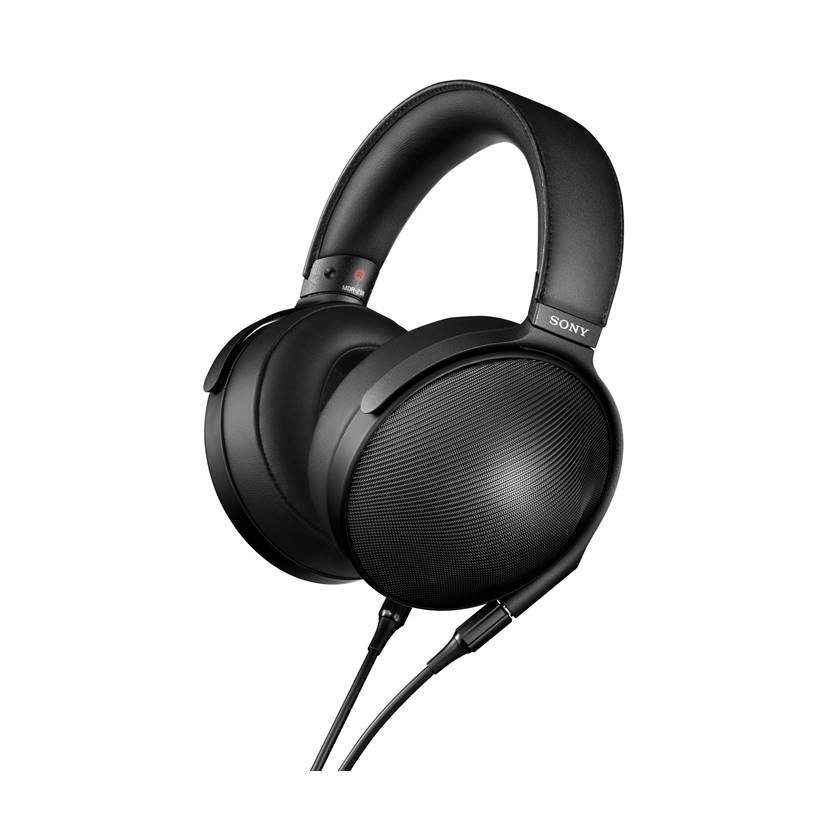
The Sony MDR-Z1R and Sony IER-Z1R are both premium wired headphones designed for serious high-resolution listening, but they take very different approaches. The MDR-Z1R is an over-ear model with massive 70 mm drivers, an extremely wide 4 Hz–120 kHz frequency response, and a comfortable 385 g design aimed at immersive home listening. The IER-Z1R is a much smaller in-ear monitor with a hybrid 2-dynamic-driver and 1-balanced-armature system, 3 Hz–100 kHz response, and a lightweight 26 g build. The better choice depends on whether you prioritize an expansive over-ear presentation or detailed, portable IEM performance.
Verdict
The Sony MDR-Z1R is the stronger choice for listeners who want an immersive over-ear experience, large drivers, cushioned comfort, and an expansive sound presentation for dedicated home listening. The Sony IER-Z1R is better suited to audiophiles who prefer an in-ear design, extremely low weight, hybrid driver technology, and both balanced and conventional connections. For pure versatility and portability, the IER-Z1R has the edge, while the MDR-Z1R is the more compelling option for a luxurious, full-size listening experience.
| Specification | ||
|---|---|---|
| Price | Rs.147,478.06 |
Rs.149,624.17 |
| Brand | Sony |
Sony |
| Model No | IER-Z1R |
MDR-Z1R |
| Wired / Wireless | Wired Headphone Specification |
Wired Headphone Specification |
| Headphone Type | In Ear |
Over Ear |
| Magnet Type | Dynamic |
Neodymium |
| Driver Diameter | 12 mm |
70 mm |
| Impedance | 40 Ohms |
64 ohm |
| Sensitivity | 103 dB / mW |
100 dB/mW |
| Frequency Response | 3Hz - 100KHz |
4 Hz - 120000 Hz |
| Maximum Power Input | NA |
2,500 mW |
| Noise Cancelling | NA |
NA |
| Available Colors | Black, Silver |
Black |
| Connector Plating | 3.5 mm |
3.5 mm Silver-Coated OFC Strands, L Gold-Plated |
| Cable | 4.4 mm Standard Balanced Connection Cable |
Tangle-Free Cable |
| Weight | 26 GM |
385 Gm |
| Other Features | Expertly crafted in Japan. In pursuit of perfect sound. For deep bass and fine details. Naturally controlled acoustics. Balanced connection available. A perfectly straight sound path. Faithfully reproduce every note. Originally designed to make you feel. Silk insulator and non-magnetic plating. Silver-coated oxygen-free copper cable. Quality cable for preserving signal purity. Audio grade capacitor without distortion. Sound Space Control for wide sound space. Refined-phase structure for extensive sound. Hear everything with a frequency response to 100 kHz. Refined-phase structure for accurate acoustic blending. HD hybrid driver system ( 2 dynamic 1 Balanced Armature ). 4.4mm balanced, and conventional 3.5mm, connection cables supplied. Optimized for High-Resolution Audio reproduction.Specific uses for product : Music. Product Note : If the size of the earbud tips does not match the size of your ear canals or the headset is not worn properly in your ears, you may not obtain the correct sound qualities or call performance. Change the earbud tips to ones that fit more snugly in your ears. |
Keep the sound pure. Hard case for storage. Enjoy lightweight luxury. Enfolding design structure. Listen in cushioned comfort. Signature Series Headphones. Smooth sound at all frequencies. Engineered and crafted in Japan. TA-ZH1ES compatible for ultimate sound. Hear music at it best with High-Res Audio. Hear the difference with massive 70mm HD drivers. Enjoy full range sound up to 120kHz frequency response. Ensure superior sound quality with a separated ground cable. Minimize resistance and signal loss with silver-coated OFC cables. |
Compare Sony IER-Z1R with:
Compare Sony MDR-Z1R with:
Frequently Asked Questions
Top Differences
- Driver Size: 70 mm vs 12 mm
- Weight: 385 Gm vs 26 GM
- Impedance: 64 ohm Vs 40 Ohms