 ALERT
ALERT
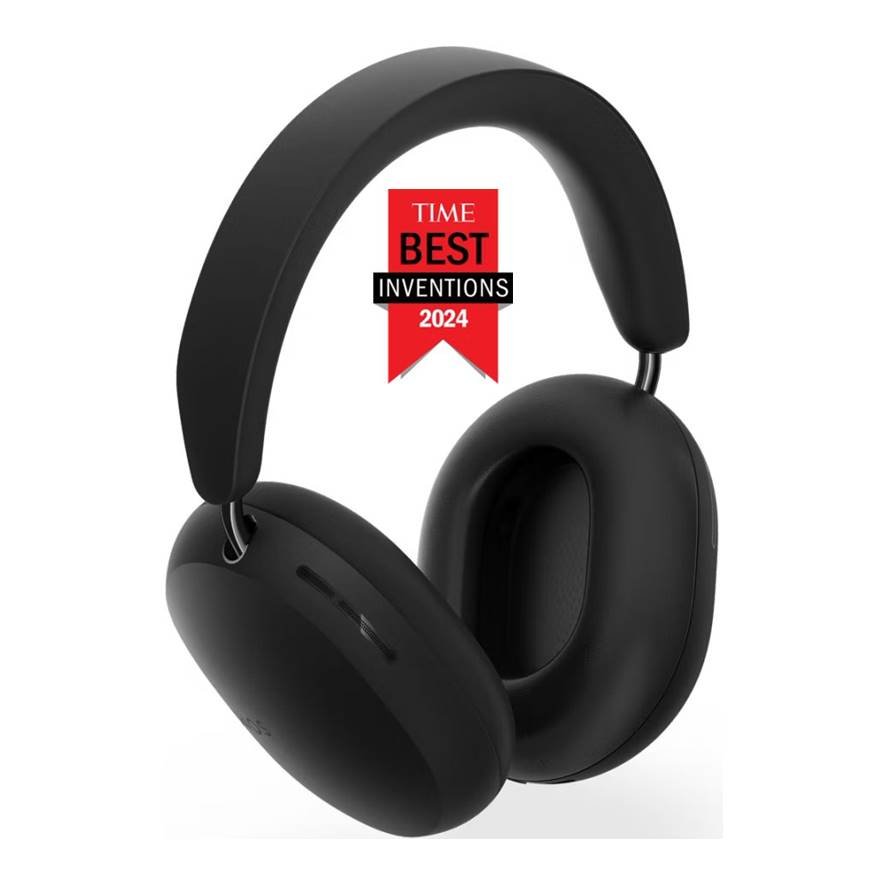
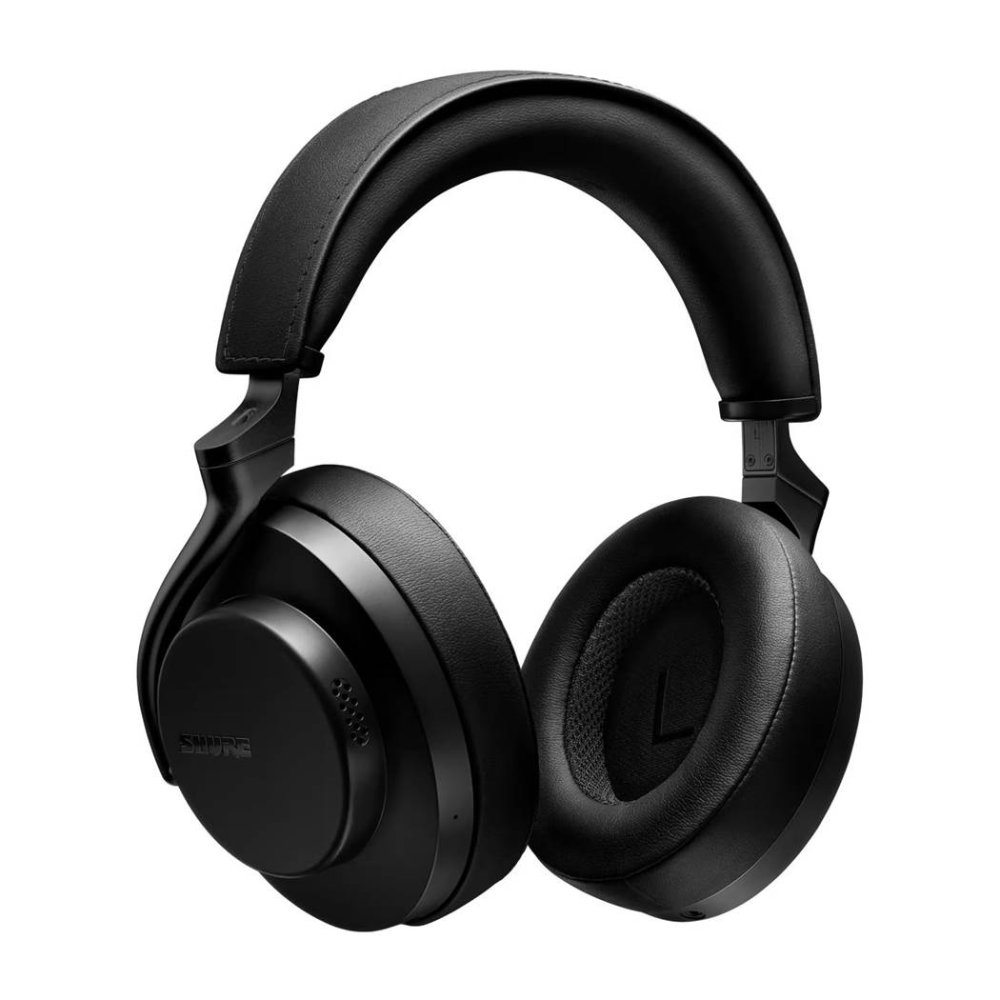
Sonos Ace vs SHURE AONIC 50 GEN 2
Advertisement
| Specification | ||
|---|---|---|
| Price | Rs.39,999.00 |
Rs.45,717.00 |
| Brand | Sonos |
SHURE |
| Model No | Ace |
AONIC 50 GEN 2 |
| Wired / Wireless | Wireless Headphone Specification |
Wireless Headphone Specification |
| Headphone Type | Over Ear |
Over Ear |
| Magnet Type | Dynamic |
Dynamic / Neodymium |
| Driver Diameter | 40 mm |
50 mm |
| Impedance | 40 Ohms |
39 Ohms |
| Sensitivity | NA |
97.5 dB/mW@1 kHz |
| Frequency Response | 20Hz - 20KHz |
20Hz - 22KHz |
| Maximum Power Input | 15 W |
100 mW |
| Wireless / Bluetooth Details | ||
| Wireless Technology | Bluetooth |
Bluetooth |
| Bluetooth Version | 5.4 |
5.0 |
| Compatible Profiles | All Bluetooth Devices |
All Bluetooth Devices |
| Supported Codecs | SBC, AAC, AptX Lossless, AptX Adaptive, AptX Low Latency, & AptX HD |
aptX, aptX HD, aptX Adaptive, aptX Voice, SBC, AAC, LDAC |
| Battery Type | Lithium-ion Batteries |
Lithium-Ion Batteries |
| Bluetooth Range | 240 Meters |
100 Meters |
| Battery Life | 24 Hours NC ON |
Up To 45 Hours |
| Charging Time | 3 Hours |
2.5 Hours |
| Noise Cancelling | Active Noise Cancelling |
Active Noise Cancelling |
| Available Colors | Black, White |
Black |
| Connector Plating | 3.5 mm |
3.5 mm Jack |
| Cable | USB Type-C Charging Cable |
USB Type-C Charging Cable |
| Weight | 312 GM |
334 GM |
| Other Features | Requires a supported Sonos soundbar and the Sonos app. Spatial audio surrounds you in a hyperrealist three-dimensional soundstage. Lossless audio streaming over Bluetooth and USB-C deepens your connection to your music. Active Noise Cancellation blocks external sounds. Aware mode blends ambient sound with your content. Plush memory foam ear cushions and an extendable headband offer exceptional comfort and a bespoke fit. Custom-designed driver tuned by industry-leading producers, engineers, and artists provides a high-fidelity sound experience. Active Noise Cancellation blocks external sounds for maximum immersion and Aware mode lets you hear what’s going on around you. |
BLUETOOTH 5 WIRELESS TECHNOLOGY with a class 1 transmitter delivers enhanced stability with a range of up to 100 meters. CONNECT to wired sources with included 3.5mm analog audio cable or USB-C digital input for charging and High-Resolution streaming audio. PREMIUM COMMUNICATION with clear call quality through beamforming microphone technology and proprietary automatic gain control (AGC) settings. PREMIUM, STUDIO-QUALITY SOUND through custom-engineered 50mm dynamic drivers. Developed from decades of professional experience made for critical listeners. UP TO 45 HOURS BATTERY LIFE with quick charge capabilities, more than doubling runtime from the prior generation. Fifteen minutes of charge provides 5 hours of use. NEW HYBRID ACTIVE NOISE CANCELLING (ANC) technology blocks out distractions for a truly immersive and natural listening experience improved over the prior generation. CUSTOMIZABLE EQ. Choose from multiple presets, or create your own using the free ShurePlus PLAY app. Saves directly to your headphones for a seamless audio experience across other apps and devices. SPATIALIZED AUDIO technology uses a proprietary algorithm to enhance the depth of your listening experience by widening the sound stage without introducing unnatural artifacts. Available in three unique modes - Music, Cinema, or Podcast. |
Advertisement
Compare Sonos Ace with:
Compare SHURE AONIC 50 GEN 2 with:
Top Differences
- Battery Life: 24 Hours NC ON , 30 Hours NC OFF vs Up To 45 Hours
- Driver Size: 40 mm vs 50 mm
- Bluetooth: 5.4 vs 5.0
- Weight: 312 GM vs 334 GM
- Impedance: 40 Ohms Vs 39 Ohms
Advertisement