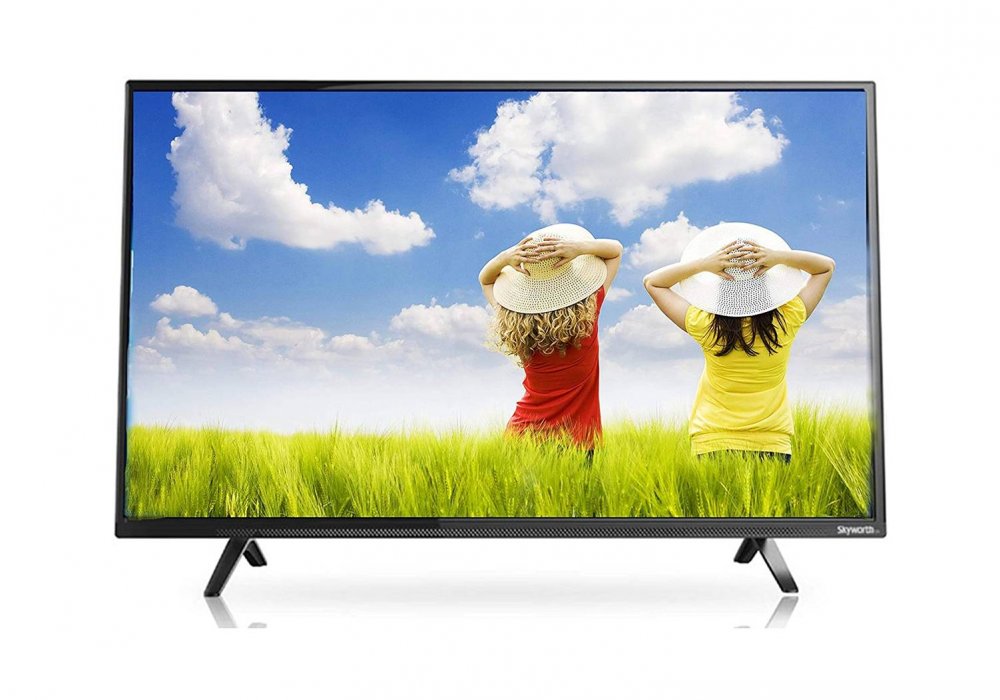
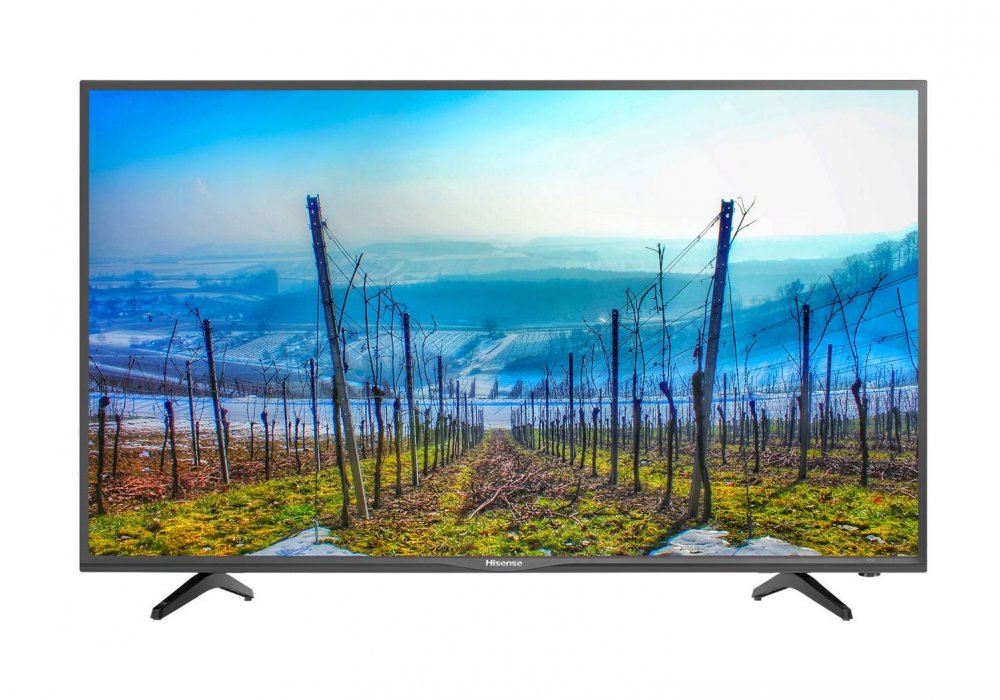
| Model No |
32W4 |
32N2170HW |
| TV Type |
Smart TV |
Smart TV |
| Screen Size |
32 Inch (80 cm) |
32 Inch (80 cm) |
| Resolution |
1366 x 768 |
1366 x 768 |
| Aspect Ratio |
16:9 |
16:9 |
| Motion Rate |
60 Hz |
60 Hz |
| Viewing Angle |
178°/178° |
178°/178° |
| USB |
| USB Version |
: 2.0 |
| Supported Audio Formats |
: AAC, AC3(Dolby Digital), MP3, WMA |
| Supported Video Formats |
: AVI, MKV, MOV, MP4, MPEG, TS, Xvid |
| Supported Picture Formats |
: JPEG |
|
| USB Version |
: 2.0 |
| Supported Audio Formats |
: MP3, MPEG, AAC, HE AAC, ASF, WMA |
| Supported Video Formats |
: MP4, MPEG, MPG, MKV, AVI, FLV, ASF |
| Supported Picture Formats |
: JPG, JPEG, PNG, BMP, MPO |
|
| Video |
| Backlight |
: LED |
| Brightness |
: 3000:1 ( TYP ) |
| Contrast Ratio |
: 200 Nits |
| Panel Type |
: A+ Grade |
| Contrast |
: Contrast Booster |
| PQ Technology |
: Trochilus Exreme |
| Color |
: Color compensation & Skin Oder Adjustment |
|
| Backlight |
: DLED |
| Brightness |
: 250 Nits |
| Native Contrast Ratio |
: 4000:1 |
|
| Audio |
| Audio Output Power ( RMS ) |
: 20 W |
| Number Of Speaker |
: 2 |
| Sound Type |
: Ultra Boom Speaker |
|
| Sound Output ( RMS ) |
: 6 W + 6 W |
| Dolby Digital Plus |
: Yes |
| DTS Studio Sound™ |
: Yes |
|
| Connectivity Options |
| HDIM |
: 2 |
| USB |
: 1 |
| WIFI |
: 2.4G Wifi |
| Portal |
: Nertange |
|
| HDMI |
: 3 |
| USB |
: 2 |
| ARC |
: Yes |
| AV-In |
: Yes |
| ATV |
: Yes |
| Built-In Wi-Fi |
: Yes |
| LAN / Ethernet |
: Yes |
| Headphone |
: Yes |
| Component-In |
: Yes |
| Digital Audio Output |
: Yes |
|
| Smart TV Features |
| Operating System |
: Linux |
| Smart App store |
: Yes |
| APP |
: Youtube,Eros Now, Hungama |
|
| Operating System |
: VIDAA 2.0 |
| Anyview Cast |
: Yes |
| Netrange TV App Store |
: Yes |
| Popular App |
: Youtube, Netflix, Icfilx, App Store, etc |
|
| Other Features |
|
| Digital Media Player |
: Yes |
| Temperature |
: 5°C - 45°C |
| Humidity |
: 20% - 80% RH |
| Atmospheric Pressure |
: 86 kPa - 106 kPa |
| Digital |
: DVB-S/S2, DVB-T/T2, DVB-C |
| Analog |
: PAL-D/K, B/G, I SECAM-D/K, B/G, L/L’ |
|
| General Details |
| Power Requirements |
: 100 - 200 V |
| Power Consumption |
: 65 W |
| Standby Power Consumption |
: 0.5 W |
| Power Saving Mode |
: Yes |
| Weight Without Stand |
: 3.53 Kg |
| Weight With Stand |
: 3.58 Kg |
|
| Power Requirements |
: 100 V- 240 V 50 / 60Hz |
| Power Consumption |
: 60 W |
| Power Consumption ( Standby ) |
: 0.5 W |
| Wall-Mount |
: 200 mm x 200 mm |
| Weight Without Stand |
: 4.3 Kg |
| Weight With Stand |
: 4.4 Kg |
|
| Supplied Accessories |
| Remote Control |
: Yes |
| Batteries |
: Yes |
| User Manual |
: Yes |
| Warranty Card |
: Yes |
| Wall Mount |
: Yes |
|
| Remote Control |
: Yes |
| 2 AAA Batteries |
: Yes |
| User Manual |
: Yes |
| Quick Start Guide |
: Yes |
| Base Stand |
: Yes |
| Wall-Mount Screw M6 |
: 4 |
|
 ALERT
ALERT