 ALERT
ALERT
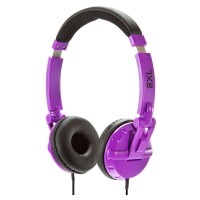
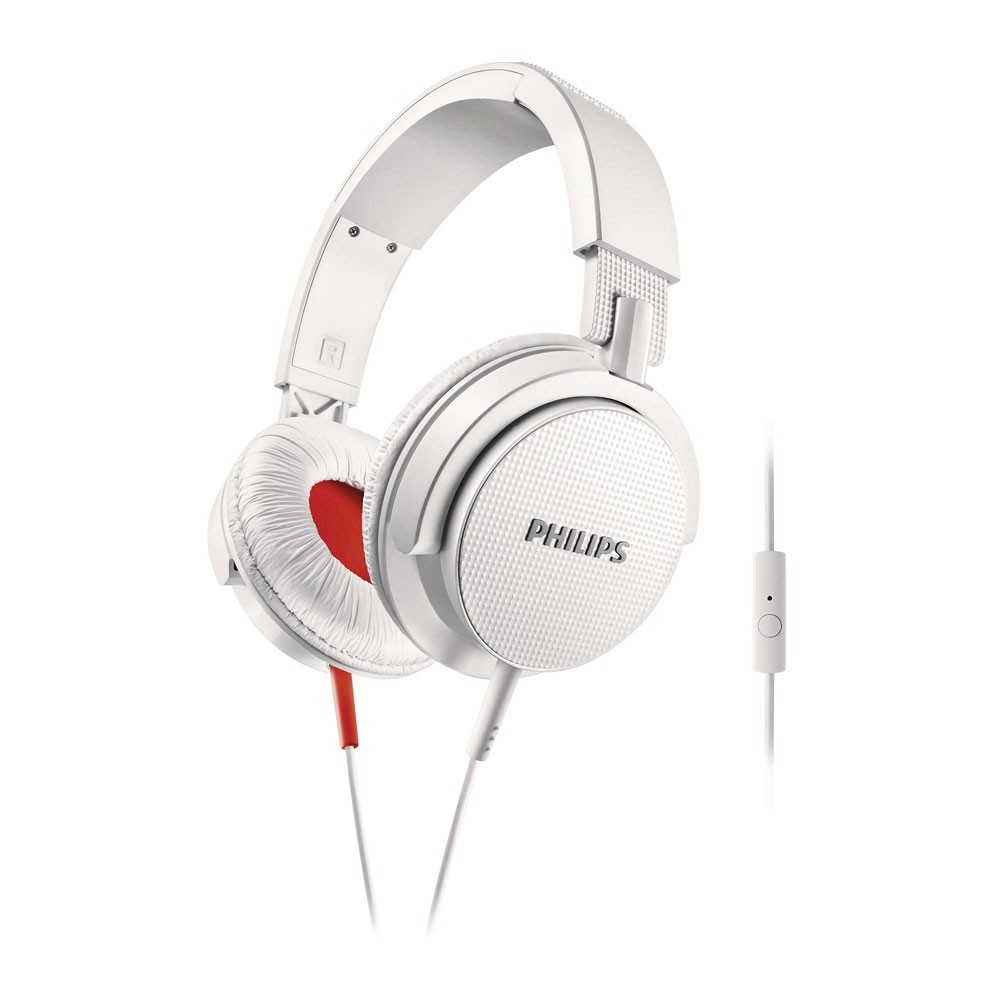
Skullcandy X5SHFZ-826 vs Philips SHL3105WT-00
Advertisement
| Specification | ||
|---|---|---|
| Price | Rs.1,000.00 |
Rs.1,000.00 |
| Brand | Skullcandy |
Philips |
| Model No | X5SHFZ-826 |
SHL3105WT-00 |
| Wired / Wireless | Wired Headphone Specification |
Wired Headphone Specification |
| Headphone Type | On Ear |
On Ear |
| Magnet Type | Neodymium |
Neodymium |
| Driver Diameter | 30 mm |
40 mm |
| Impedance | 32 ohms |
32 Ohms |
| Sensitivity | NA |
107 dB/mW |
| Frequency Response | 20 - 20,000 Hz |
18 Hz -20000 Hz |
| Maximum Power Input | NA |
1500 mW |
| Noise Cancelling | No |
NA |
| Available Colors | Purple |
White |
| Connector Plating | 3.5 mm Gold Plated Plug |
3.5 mm Gold Plated Jack |
| Cable | 1.2 m |
1.2 m |
| Weight | NA |
168 g |
| Other Features | - Good sound quality and good bass. |
- Dynamic solid bass - 40mm neodymium speaker drivers for impressive & punchy bass - Earpieces swivel 165° for monitoring and added flexibility - Flat foldable for easy storage on the go - Soft 85mm diameter cushions for extended comfort - Wide, lightweight headband with EVA foam for comfortable fit - Closed-back system blocks out ambient noise - Adjustable earshells and headband fits the shape of any head - 1500mW power handling: no distortion even at high volume |
Advertisement
Compare Skullcandy X5SHFZ-826 with:
Compare Philips SHL3105WT-00 with:
Top Differences
- Noise Cancelling: No vs NA
- Driver Size: 30 mm vs 40 mm
- Weight: NA vs 168 g
Advertisement