 ALERT
ALERT
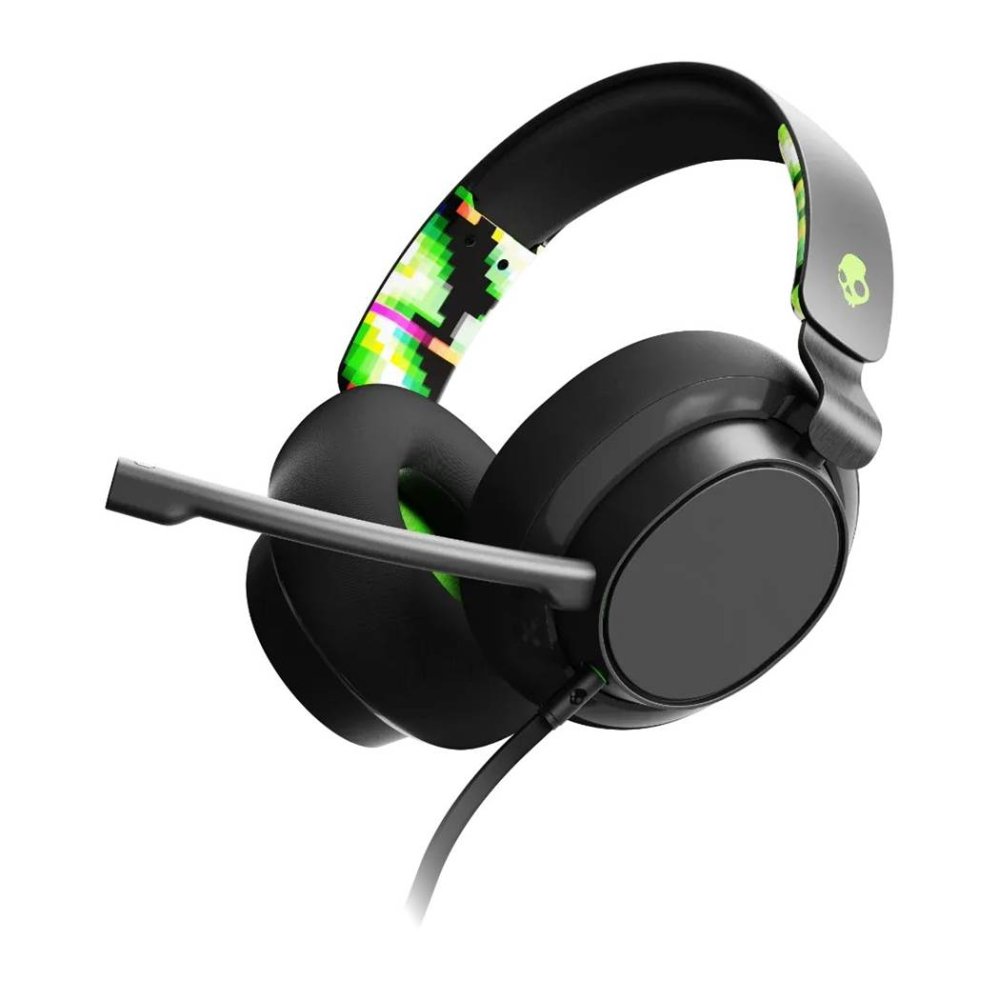
Skullcandy SLYR® vs Bowers & Wilkins PI4
Advertisement
| Specification | ||
|---|---|---|
| Price | Rs.27,999.00 |
Rs.27,000.00 |
| Brand | Skullcandy |
Bowers & Wilkins |
| Model No | SLYR® |
PI4 |
| Wired / Wireless | Wireless Headphone Specification |
Wireless Headphone Specification |
| Headphone Type | Over Ear |
In Ear |
| Magnet Type | Dynamic |
Dynamic |
| Driver Diameter | 50 mm |
14.2 mm |
| Impedance | 32 Ohms |
32 ohm |
| Sensitivity | 95±3dB |
NA |
| Frequency Response | 20Hz - 20KHz |
10 Hz - 30000 kHz |
| Maximum Power Input | NA |
10 mW |
| Wireless / Bluetooth Details | ||
| Wireless Technology | Wired |
Bluetooth |
| Bluetooth Version | 5.0 |
|
| Compatible Profiles | All Bluetooth Devices |
|
| Supported Codecs | A2DP, AVRCP, HFP, HSP, BLE GATT, AptX-Adaptive, AptX-HD AptX-Classic, AAC, SBC |
|
| Battery Type | Lithium Polymer Batteries |
|
| Bluetooth Range | 10 Meters |
|
| Battery Life | 12 Hours |
|
| Charging Time | < 2 Hours |
|
| Noise Cancelling | NA |
Adaptive |
| Available Colors | Red, Green |
Black, Grey, Gold |
| Connector Plating | 3.5 mm Jack |
NA |
| Cable | Aux Cable, PC Splitter Cable |
USB-C Charging Cable |
| Weight | 265 GM |
40 gm |
| Other Features | All-Day Comfort. Advanced Microphone. LED Mic Mute Indicator. Mute & Volume Control. Multi-Platform Connectivity. Skullcandy Supreme Sound™. Durable, Lightweight Design. Bi-Directional Removable Boom Mic. SLYR features 50mm dynamic drivers that have been selected and expertly tuned to deliver a super-wide frequency range and rich, detailed sound. Multi-Platform Compatibility : SLYR provides crystal clear audio on PC, Playstation, Nintendo Switch , Xbox, mobile and more. And with the 3.5mm audio cable, SLYR is the definition of ‘plug and play. Awesome Sounding Mic : SLYR comes with a bi-directional mic for focused voice pickup so your team can hear every directive with absolute clarity. The removable boom mic is also equipped with a mic-status LED to let you know when you’re ‘on the air. Soft & Sturdy : Designed for long use the SLYR is lightweight, durable and MEGA comfy, and don't worry you won't get too hot either thanks to great airflow. The cushions are memory foam for those longer gaming sessions as well as a noise isolating fit. |
A measured feel. Fits like no other. Don’t miss a thing. Adaptive Noise Cancelling. World-first fully active 2-way wireless earbuds. This is Bowers & Wilkins Dual Driver technology. No matter what you’re listening to, or watching, or playing, hear what you were meant to hear. If you stay out longer than expected and need a little more from your PI4 a 15 minute quick charge will carry your adventure for another two hours. Soft silicone and rubber together make the PI4 feel specifically designed for how and where you listen. 12-hour battery life allows you to go from night to day without missing a beat. If that’s not enough, a 15-minute quick charge gets three hours of immediate playback. Customised 14mm drivers pack full sound in a small space. Designed by the same team behind our 800 Diamond Series speakers used in Abbey Road Studios, the drivers ensure you stay immersed in music wherever you go. |

Advertisement
Compare Skullcandy SLYR® with:
Compare Bowers & Wilkins PI4 with:
Top Differences
- Noise Cancelling: Adaptive vs NA
- Driver Size: 14.2 mm vs 50 mm
- Weight: 40 gm vs 265 GM
- Impedance: 32 ohm Vs 32 Ohms
Advertisement