 ALERT
ALERT
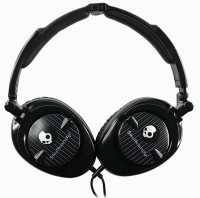
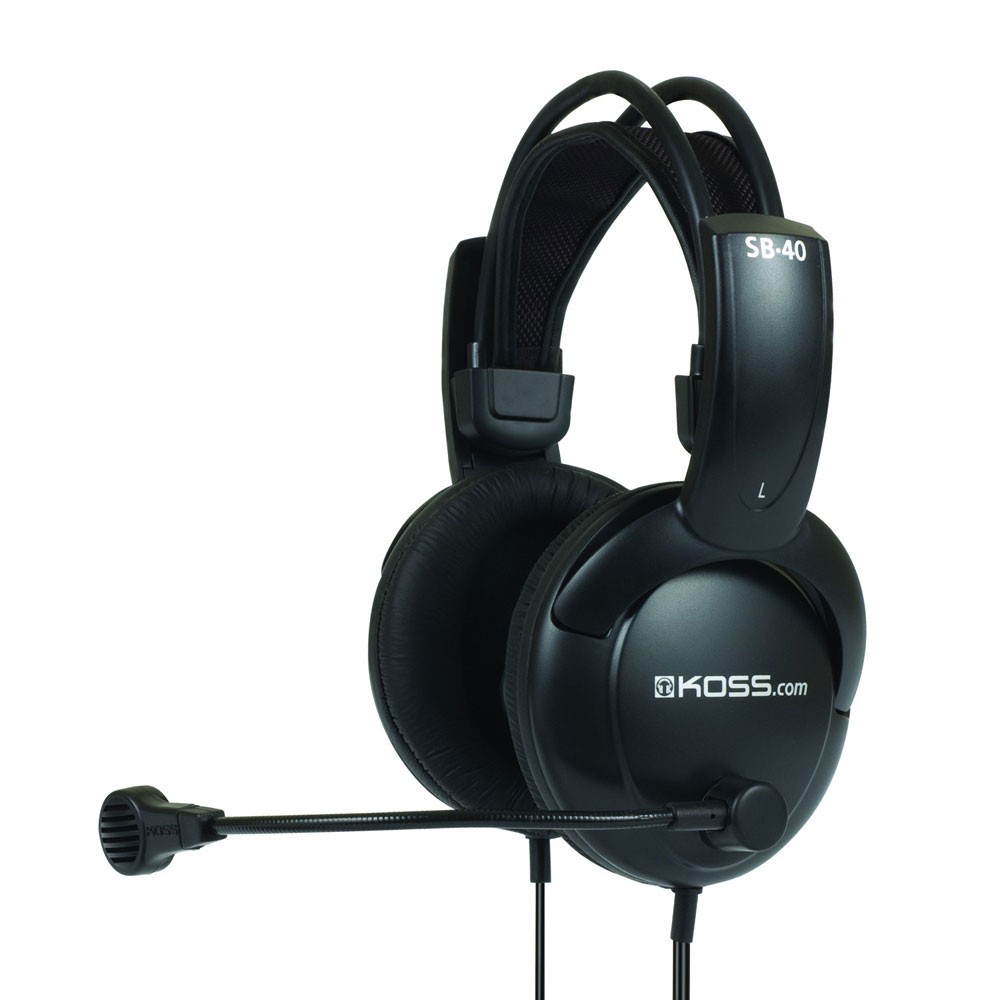
Skullcandy SkullCrusher S6SKFZ-003 vs Koss SB40
Advertisement
| Specification | ||
|---|---|---|
| Price | Rs.3,600.00 |
Rs.3,725.00 |
| Brand | Skullcandy |
Koss |
| Model No | SkullCrusher S6SKFZ-003 |
SB40 |
| Wired / Wireless | Wired Headphone Specification |
Wired Headphone Specification |
| Headphone Type | Over Ear |
Over Ear |
| Magnet Type | Neodymium |
Neodymium |
| Driver Diameter | 30 mm |
NA |
| Impedance | 32 ohms |
120 Ohms |
| Sensitivity | NA |
96 dB/mW |
| Frequency Response | 20 - 20,000 Hz |
20 Hz - 20000 Hz |
| Maximum Power Input | 120 mW |
NA |
| Noise Cancelling | No |
NA |
| Available Colors | Black |
Black |
| Connector Plating | 3.5 mm Stereo Plug |
3.5 mm Gold Plated Jack |
| Cable | 1.2 m |
3 m |
| Weight | NA |
NA |
| Other Features | - Supreme sound design - Dual vibration speakers |
- Noise cancelling microphone - Full range of sound brings games to life - Microphone eliminates excessive background noise for greater ease of use with PC voice applications, such as speech recognition - Soft leatherette ear cushions envelop ears for long-lasting comfort and maximum isolation without excess pressure - Adjustable headband fits most head sizes - Independent 3.5mm plugs for easy headphone and microphone connection - Covered under the Koss Stereo phones Limited Lifetime Warranty |
Advertisement
Compare Skullcandy SkullCrusher S6SKFZ-003 with:
Compare Koss SB40 with:
Top Differences
- Noise Cancelling: No vs NA
- Driver Size: 30 mm vs NA
- Impedance: 32 ohms Vs 120 Ohms
Advertisement