 ALERT
ALERT
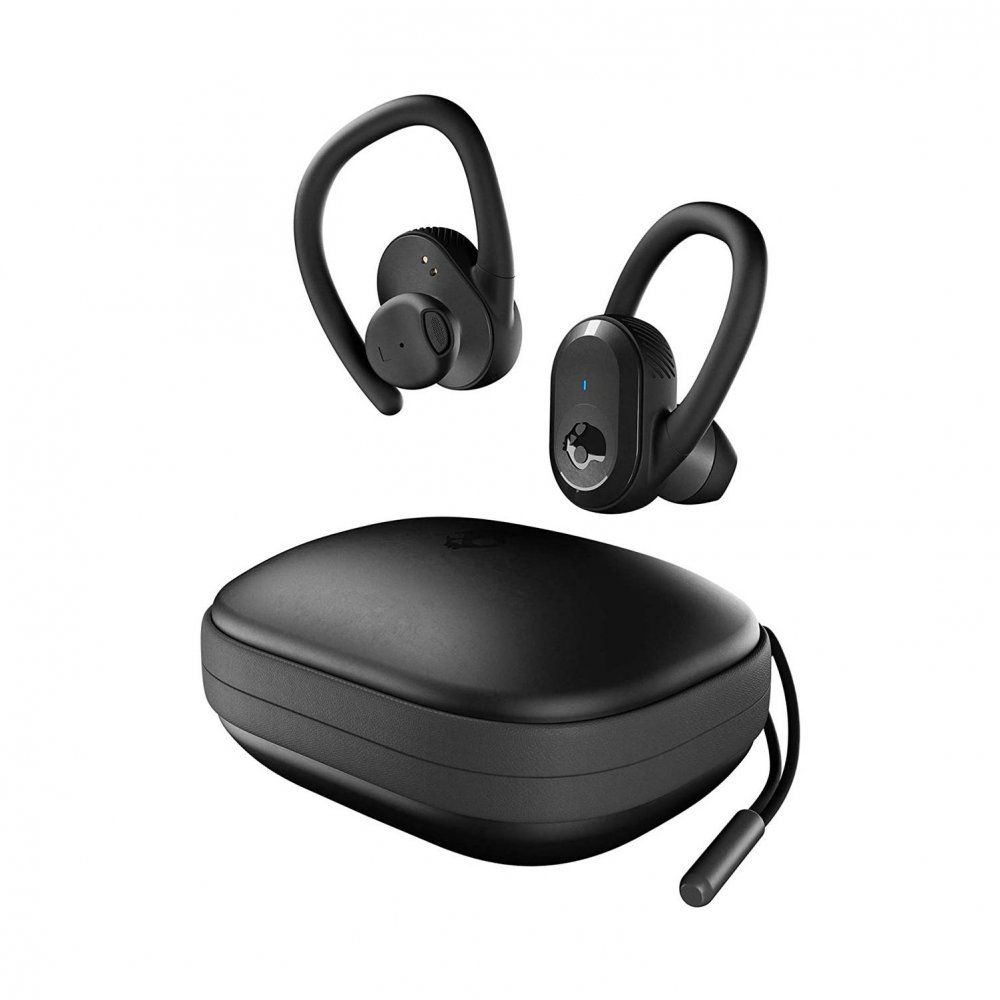
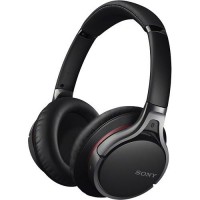
Skullcandy Push Ultra vs Sony MDR-10RBT
Advertisement
| Specification | ||
|---|---|---|
| Price | Rs.14,999.00 |
Rs.14,990.00 |
| Brand | Skullcandy |
Sony |
| Model No | Push Ultra |
MDR-10RBT |
| Wired / Wireless | Wireless Headphone Specification |
Wireless Headphone Specification |
| Headphone Type | In Ear Canal |
Over Ear |
| Magnet Type | Dynamic |
Neodymium |
| Driver Diameter | 12.5 mm |
40 mm |
| Impedance | 32 Ohms |
36 ohms |
| Sensitivity | 101-107dB |
102 dB |
| Frequency Response | 20 Hz - 20000 Hz |
5 - 40,000 Hz |
| Maximum Power Input | NA |
1500 mW |
| Wireless / Bluetooth Details | ||
| Wireless Technology | Bluetooth |
Bluetooth |
| Bluetooth Version | 5.0 |
3.0 |
| Compatible Profiles | All Bluetooth Devices |
A2DP, AVRCP, HFP, HSP |
| Supported Codecs | HSP, HFP, AVRCP, A2DP |
SBC, AAC, aptX |
| Battery Type | Lithium Polymer Batteries |
Lithium Ion Rechargeable Battery |
| Bluetooth Range | 10 Meters |
30 ft (10 m) |
| Battery Life | 40 Hours |
Music Playtime: 17 hr |
| Charging Time | 2 Hours |
2.5 hr |
| Noise Cancelling | Active |
No |
| Available Colors | Black, Blue, Red, Yellow |
Black |
| Connector Plating | NA |
L-Shaped 3.5 mm Gold Plated Plug |
| Cable | Type-C USB Charging Cable |
1.2 m |
| Weight | 139.5 gm |
210 g (including rechargeable battery) |
| Other Features | Wireless Charging Case. IP67 Sweat and Waterproof. Full Controls from Each Bud. Find your Earbuds with Tileâ„¢. Moldable Hooks + Stay-Aware Buds. 40 Hours Total Battery + Rapid Charge. |
- One-touch Listening with NFC (Near Field Communications) - Microphone Unit Type: Electret Condenser - Built-In microphone for hands-free calling - Built-In remote with play, pause, stop, FF and FR functionality - Microphone Frequency Range: 100Hz - 4,000Hz |
Advertisement
Compare Skullcandy Push Ultra with:
Compare Sony MDR-10RBT with:
Top Differences
- Battery Life: Music Playtime: 17 hr, Talk Time: 17 hr, Standby Time: 450 hr vs 40 Hours
- Noise Cancelling: No vs Active
- Driver Size: 40 mm vs 12.5 mm
- Bluetooth: 3.0 vs 5.0
- Weight: 210 g (including rechargeable battery) vs 139.5 gm
Advertisement