 ALERT
ALERT
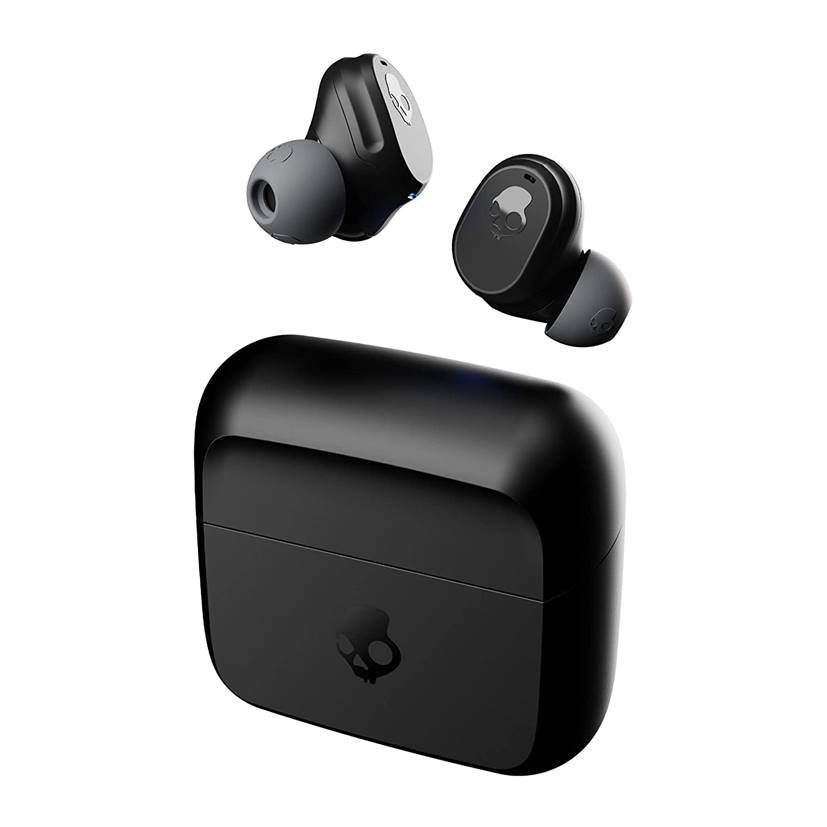
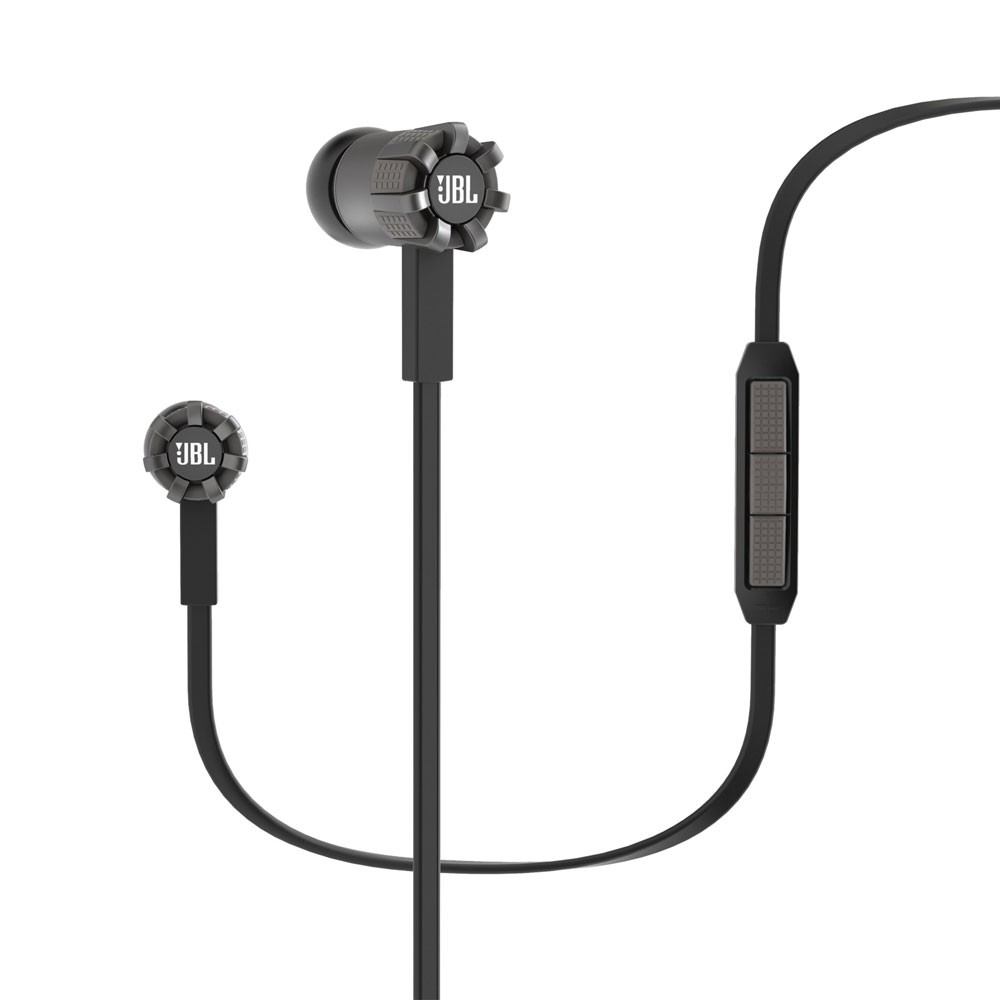
Skullcandy Mod True Wireless Earbuds vs JBL Synchros S200 A
Advertisement
| Specification | ||
|---|---|---|
| Price | Rs.16,999.00 |
Rs.12,667.00 |
| Brand | Skullcandy |
JBL |
| Model No | Mod True Wireless Earbuds |
Synchros S200 A |
| Wired / Wireless | Earphone Specification |
Earphone Specification |
| Headphone Type | In Ear |
In Ear Canal |
| Magnet Type | Dynamic |
Neodymium |
| Driver Diameter | 6 mm |
10 mm |
| Impedance | 16Ohm±15% |
16 Ohms |
| Sensitivity | 95dB±3dB |
108 dB/mW |
| Frequency Response | 20 Hz - 20000 Hz |
10 Hz - 22000 Hz |
| Maximum Power Input | NA |
5 mW |
| Noise Cancelling | NA |
NA |
| Available Colors | Black, Blue |
Black, White, Grey |
| Connector Plating | NA |
3.5 mm Gold Plated Jack |
| Cable | USB Type-C Charging Cable |
1.2 m |
| Weight | 54.8 Gm |
NA |
| Other Features | Stay-Aware Mode. Multipoint Pairing. Clear Voice Smart Mic. 34 Hours Total Battery. IP55 Sweat and Water Resistant. Customize with the Skullcandy App. |
- Ultra-light, die-cast aluminum construction - Premium 10 mm driver - JBL Professional Audio Sound with PureBass performance - Angled ear tips with three sizes of silicone sleeves (S, M, L) for improved comfort and stability - Tangle resistant flat cable - Complyâ„¢ foam tips for superior fit - Available in 2 colours and 3 configurations: iOS 3-button remote/microphone cable, universal 3-button remote/microphone cable or straight cable |
Advertisement
Compare Skullcandy Mod True Wireless Earbuds with:
Compare JBL Synchros S200 A with:
Top Differences
- Driver Size: 10 mm vs 6 mm
- Weight: NA vs 54.8 Gm
- Impedance: 16 Ohms Vs 16Ohm±15%
Advertisement