 ALERT
ALERT
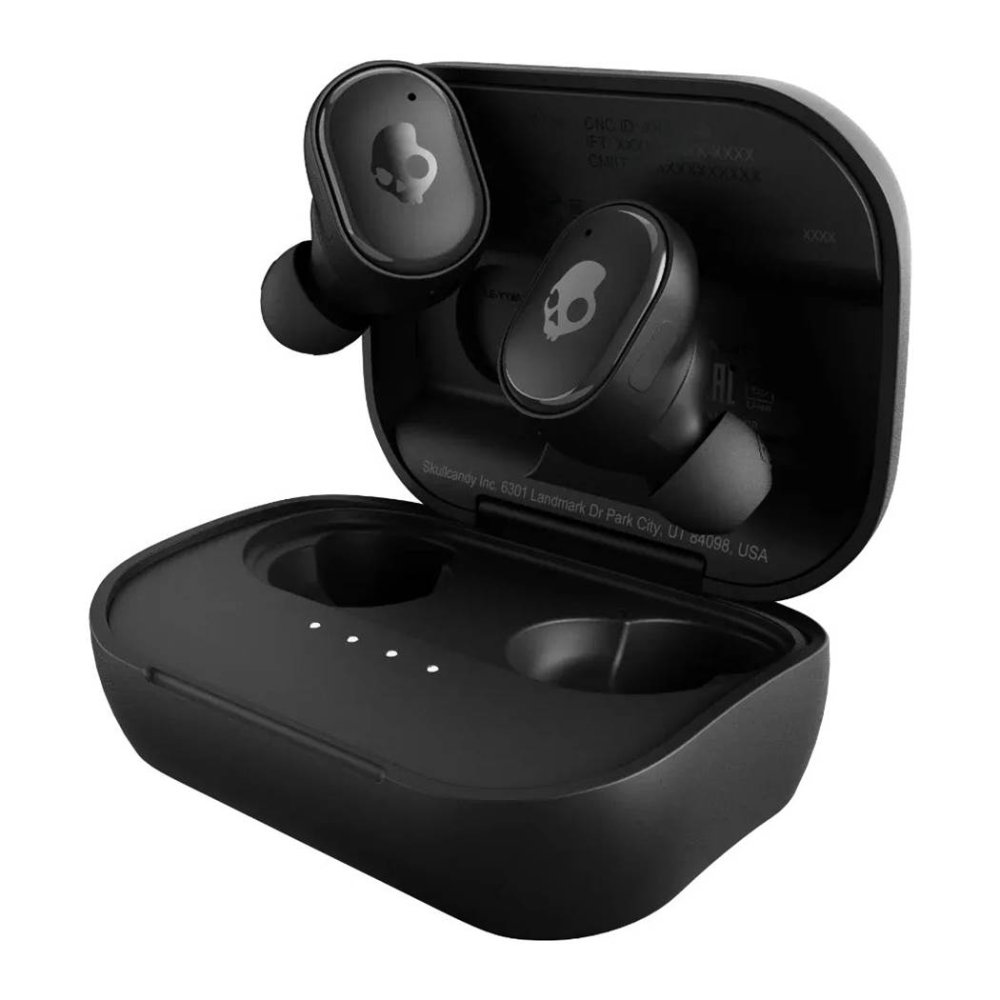
Skullcandy Grind® vs Sony MDR-1ABT
Advertisement
| Specification | ||
|---|---|---|
| Price | Rs.25,999.00 |
Rs.26,000.00 |
| Brand | Skullcandy |
Sony |
| Model No | Grind® |
MDR-1ABT |
| Wired / Wireless | Wireless Headphone Specification |
Wireless Headphone Specification |
| Headphone Type | In Ear |
Over Ear |
| Magnet Type | Dynamic |
Neodymium |
| Driver Diameter | 6 mm |
40 mm Dyna |
| Impedance | 22Ω ± 15% Ohms |
24Ω (1kHz)-when using the headphone cable |
| Sensitivity | 101dB+/- 3dB |
98 dB/mW |
| Frequency Response | 20Hz - 20KHz |
4 Hz - 100,000Hz |
| Maximum Power Input | DC 5V / 1A |
100 Mw |
| Wireless / Bluetooth Details | ||
| Wireless Technology | Bluetooth |
Bluetooth |
| Bluetooth Version | 5.2 |
Bluetooth Power Clas |
| Compatible Profiles | All Bluetooth Devices |
A2DP, AVRCP |
| Supported Codecs | AAC, SBC |
SBC, AAC, apt-X, LDAC |
| Battery Type | Lithium-Ion Batteries |
Lithium-ion rechargeable battery |
| Bluetooth Range | 10 Meters |
Approx. 30ft (10m) |
| Battery Life | 40 Hours |
30 Hrs |
| Charging Time | 1 Hours |
4 Hrs |
| Noise Cancelling | Sound Isolation |
NA |
| Available Colors | Black, Blue |
Black |
| Connector Plating | NA |
3.5 mm Gold Plated Plug |
| Cable | USB Type-C Charging Cable |
1.2 m |
| Weight | 62.5 GM |
Approx. 300 g |
| Other Features | Personal Sound by Mimi®. Rapid Charge: 10 min = 2 hrs. Built-in Tile™ Finding Technology. IPX4 Sweat, Water & Dust Resistant. Customize Features with Skull-iQ App. Preset EQ Modes: Music, Movie, Podcast. Hands-Free Voice Control + Built-In Alexa. 44 Hours Total Battery Life: 10 hours in buds, 34 hours in case. Custom EQ Mode, Spotify Tap™, Take Photo, Share Audio, Custom Button Functions, Call, Track & Volume Controls, Dual Noise-Reducing Microphones, Use Either Bud Solo, Auto On/Connect. |
- Cord - Single-sided (detachable) - Diaphragm - Aluminium-coated Liquid Crystal Polymer - Plug - Gold-plated L-shaped Stereo Mini - S-Master digital amplifier and DSEE take you closer to the original studio recording - Touch sensor for simple, convenient control - Highest quality Bluetoothâ„¢ streaming with LDAC Microphone - Unit/Type - Electret Condenser Microphone - Directivity - Omni directional Microphone - Frequency Range - 100Hz-4,000Hz Additional Bluetooth Features - Frequency Band - 2.4GHz band - Near Field Communication (NFC) - Yes |
Advertisement
Compare Skullcandy Grind® with:
Compare Sony MDR-1ABT with:
Top Differences
- Battery Life: 30 Hrs vs 40 Hours
- Noise Cancelling: NA vs Sound Isolation
- Driver Size: 40 mm Dyna vs 6 mm
- Bluetooth: Bluetooth Power Clas vs 5.2
- Weight: Approx. 300 g vs 62.5 GM
Advertisement