 ALERT
ALERT
Advertisement
| Specification | ||
|---|---|---|
| Price | Rs.7,199.00 |
Rs.6,999.00 |
| Brand | Skullcandy |
JBL |
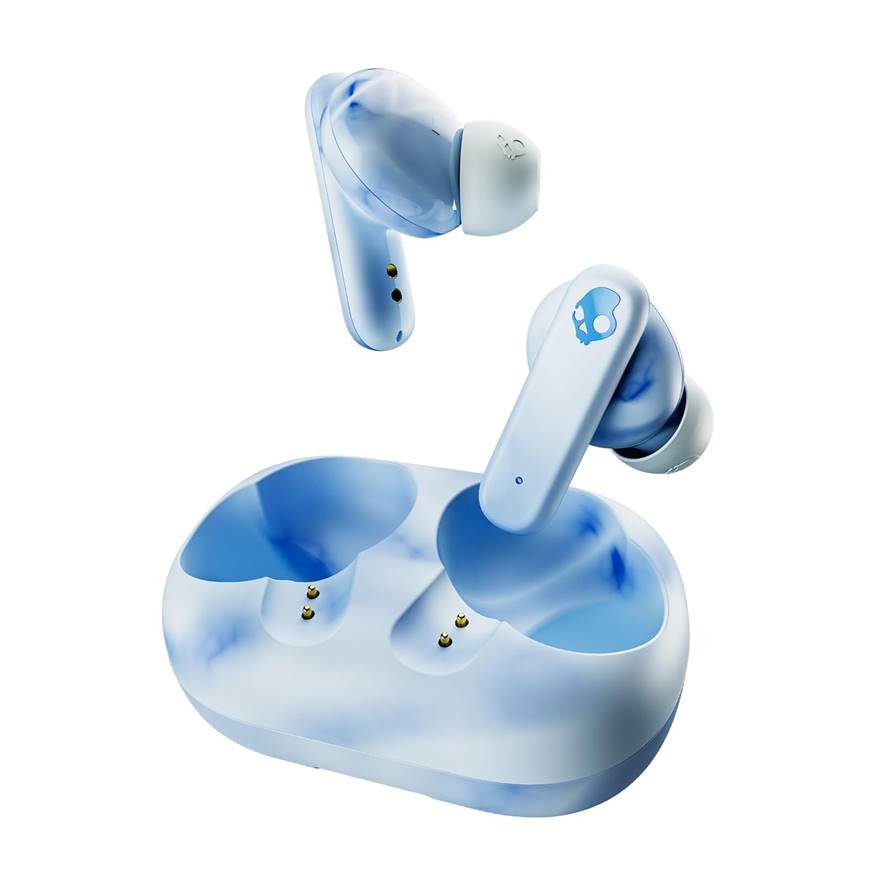
| Model No | EcoBudsâ„¢ Sustainable True Wireless Earbuds |
TUNE 120TWS |
| Wired / Wireless | Wireless Headphone Specification |
Wireless Headphone Specification |
| Headphone Type | In Ear |
In Ear |
| Magnet Type | Dynamic |
Dynamic |
| Driver Diameter | 6 mm |
5.8 mm |
| Impedance | 16 Ohms |
14 ohm |
| Sensitivity | 105dB ± 3dB |
96dB |
| Frequency Response | 20Hz - 20KHz |
20 Hz - 20000 kHz |
| Maximum Power Input | 5 V 2A |
15 mW |
| Wireless / Bluetooth Details | ||
| Wireless Technology | Bluetooth |
Bluetooth |
| Bluetooth Version | 5.2 |
4.2 |
| Compatible Profiles | All Bluetooth Devices |
All Bluetooth Devices |
| Supported Codecs | AAC |
A2DP, AVRCP, HFP |
| Battery Type | Lithium-Ion Batteries |
Lithium-ion Battery |
| Bluetooth Range | 10 Meters |
10 Meters |
| Battery Life | 8 Hours |
4 Hours |
| Charging Time | 2 Hours |
<2 Hours |
| Noise Cancelling | Sound Isolation |
NA |
| Available Colors | Blue |
Black, White, Blue, Green, Pink, Yellow |
| Connector Plating | NA |
No |
| Cable | USB Type-C Charging Cable |
USB Charging Cable |
| Weight | 32 GM |
73 gm |
| Other Features | Auto on/connect. Noise isolating fit. Use either bud solo. 8 Hours total battery. Reverse charge from phone. Battery-free charging dock. IPX4 sweat & water resistant. Rapid Charge 10 min = 2 hours. Touch controls: call, track, volume. Buy with Confidence - 1 year warranty included. 3 preset EQ modes ( Music, Bass Boost, Podcast ). When fully charged, EcoBuds gives you all-day listening with a 8 hours of playtime in the earbuds. EcoBuds are designed and manufactured with 65% recycled plastics, and, like every Skullcandy product, packaging is 100% recyclable. Enhance your listening experience by tuning your buds for any type of media content using EcoBuds' 3 preset EQ modes - Music, Bass Boost and Podcast. EcoBuds' battery-free charging dock highly reduces its total carbon footprint. Instead, charge directly from your phone using the integrated USB-C charging cable. A quick 10 minute charge gives you 2 hours of listening time. |
JBL Pure Bass Sound. Pure bass zero cables. Hands-free Stereo Calls. Remote control on ear cups?. Including one click access to Siri and Google Now. 4 Hours Playback for Earbuds + 12 Hours for Charging Case. Multiple, vibrant colors announce that you take your style as seriously as you take your music. The earbuds combined with the elegantly designed portable charging case provide up to 16 hours of unrestrained musical enjoyment. Discover the freedom of a wireless lifestyle while on the go. Now listen to music, manage your calls or work out without the fear of tangled wires interrupting your groove. |

Advertisement
Compare Skullcandy EcoBudsâ„¢ Sustainable True Wireless Earbuds with:
Compare JBL TUNE 120TWS with:
Top Differences
- Battery Life: 4 Hours vs 8 Hours
- Noise Cancelling: NA vs Sound Isolation
- Driver Size: 5.8 mm vs 6 mm
- Bluetooth: 4.2 vs 5.2
- Weight: 73 gm vs 32 GM
Advertisement