 ALERT
ALERT
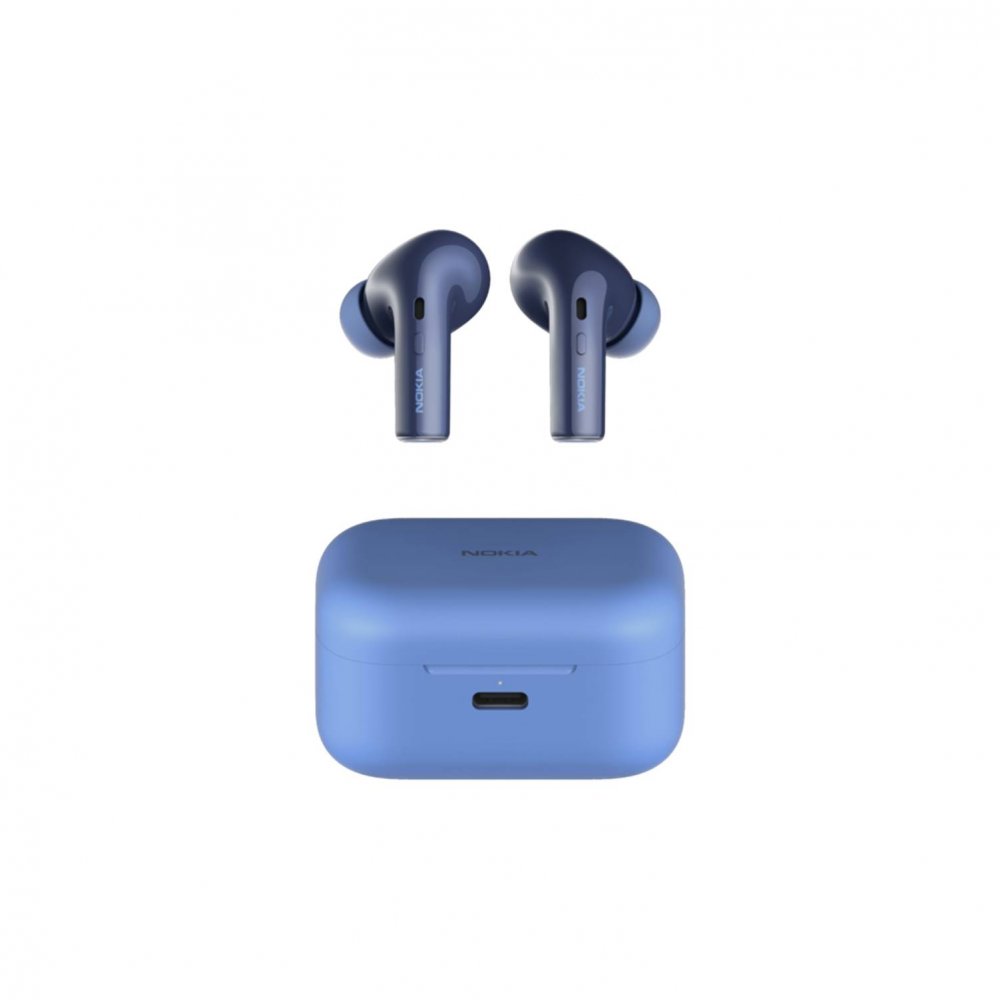
Sennheiser RS 120 II vs Nokia E3500
Advertisement
| Specification | ||
|---|---|---|
| Price | Rs.8,990.00 |
Rs.8,999.00 |
| Brand | Sennheiser |
Nokia |
| Model No | RS 120 II |
E3500 |
| Wired / Wireless | Wireless Headphone Specification |
Wireless Headphone Specification |
| Headphone Type | On Ear |
In Ear Canal |
| Magnet Type | Dynamic |
Dynamic |
| Driver Diameter | NA |
10 mm |
| Impedance | 24 ohm |
16 ohm |
| Sensitivity | 106 dB |
103dB |
| Frequency Response | 22 Hz - 19500 Hz |
20 Hz to 20000 kHz |
| Maximum Power Input | 9 V |
10 mW |
| Wireless / Bluetooth Details | ||
| Wireless Technology | Bluetooth |
Bluetooth |
| Bluetooth Version | NA |
5.0 |
| Compatible Profiles | All Bluetooth Devices |
All Bluetooth Devices |
| Supported Codecs | NA |
HSP, HFP, AVRCP, A2DP |
| Battery Type | Lithium Polymer Batteries |
Lithium |
| Bluetooth Range | 100 Meters |
10 Meters |
| Battery Life | 20 Hours |
25 Hours |
| Charging Time | NA |
2 Hours |
| Noise Cancelling | NA |
CVC |
| Available Colors | Black |
Black, White, Blue |
| Connector Plating | 3.5 mm |
NA |
| Cable | Adaptor |
Type-C USB Charging Cable |
| Weight | 200 gm |
32 gm |
| Other Features | 2-year warranty. Appealing, modern design. Range of up to 100 metres (300 feet). Optional wall mounting of transmitter possible. Rechargeable NiMH batteries included (size: AAA). Open, stereo, supraaural, wireless RF headphone system. Suitable for all types of modern music and TV applications. Wireless freedom with reception through walls and ceilings. Very lightweight headphones, extremely comfortable to wear. Detailed, analytical sound reproduction with strong bass response. Transmitter with metal cradle for storing and recharging the headphones. Control elements conveniently positioned to provide easy, intuitive operation. |
Be connected everywhere. Up to 25 hours* of sound. Listen to your surroundings. "Hey Google, take me home". Stay alert - Hear your outside surroundings with Ambient Mode. Say hello to superior call performance. The Qualcomm cVc - Clear Voice. Weatherproof to IPX5 is rated at Level 5 protection against damage from sweat The earphones are ultra-lightweight at just five grams - the same weight as a piece of A4 paper. Uninterrupted listening - Qualcomm aptX offers consistent high-quality and low latency audio. Dual microphones and Qualcomm cVc technology lessen background noise and enhance voice quality |

Advertisement
Compare Sennheiser RS 120 II with:
Top Differences
- Battery Life: 25 Hours vs 20 Hours
- Noise Cancelling: CVC vs NA
- Driver Size: 10 mm vs NA
- Bluetooth: 5.0 vs NA
- Weight: 32 gm vs 200 gm
Advertisement