 ALERT
ALERT
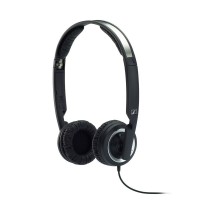
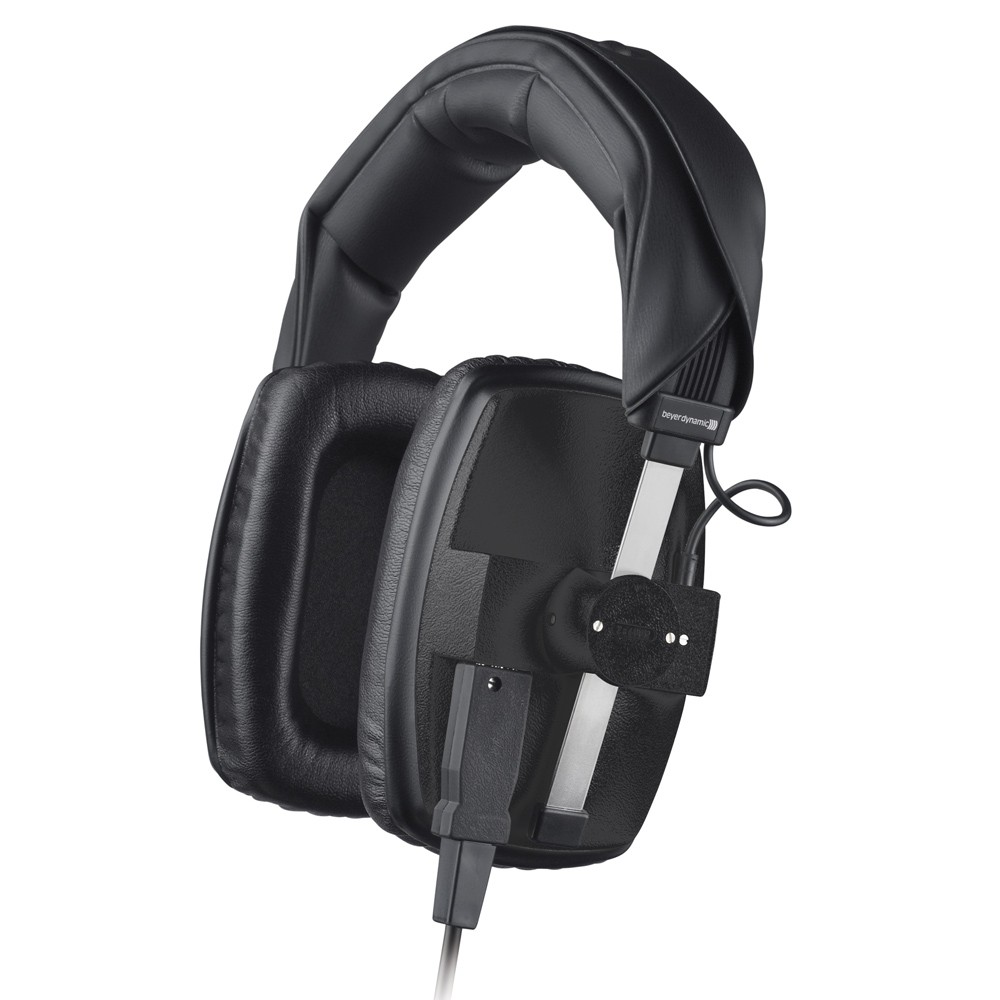
Sennheiser PXC 250-II vs Beyerdynamic DT 100
Advertisement
| Specification | ||
|---|---|---|
| Price | Rs.11,775.00 |
Rs.11,250.00 |
| Brand | Sennheiser |
Beyerdynamic |
| Model No | PXC 250-II |
DT 100 |
| Wired / Wireless | Wired Headphone Specification |
Wired Headphone Specification |
| Headphone Type | On Ear |
Over Ear |
| Magnet Type | Neodymium |
Neodymium |
| Driver Diameter | 40 mm |
NA |
| Impedance | 160/300 Ohms-Active/Passive |
400 Ohms |
| Sensitivity | 112 dB/mW |
94 dB/mW |
| Frequency Response | 10 Hz - 21000 Hz |
30 Hz to 20000 Hz |
| Maximum Power Input | NA |
1000 mW |
| Noise Cancelling | Yes |
NA |
| Available Colors | Black |
Black |
| Connector Plating | 3.5 mm Gold Plated Jack |
3.5 mm Gold Plated Jack |
| Cable | 1.2 m |
3 m |
| Weight | Approx 66 g |
350 g |
| Other Features | - NoiseGard™ active noise cancellation technology - Ideal for use on a plane, train, bus or in any other noisy environment - Closed design ensure excellent passive attenuation of ambient noise, allowing you to enjoy your music without distractions - Suitable for all types of modern music: detailed sound reproduction with a slight emphasis on the bass - Steel-reinforced headband for high durability - Long lasting NoiseGard™ usage - a single alkaline battery lasts up to 50 hours! - Fold and flip: registered design allows the ear cups to be turned 90° and the headphones folded towards the headband (headphones will lock in open and closed positions) - Convenient carrying case included - Optimised for in-flight entertainment systems as well as MP3, iPod, iPhone (iPod and iPhone are trademarks of Apple Inc. registered in the U.S. and other countries) and portable media players - 2 year warranty |
- Modular construction for easy servicing - Excellent ambient noise attenuation - Rugged construction - Wide frequency response - High sensitivity - High sound pressure capability |
Advertisement
Compare Sennheiser PXC 250-II with:
Compare Beyerdynamic DT 100 with:
Top Differences
- Noise Cancelling: Yes vs NA
- Driver Size: 40 mm vs NA
- Weight: Approx 66 g vs 350 g
- Impedance: 160/300 Ohms-Active/Passive Vs 400 Ohms
Advertisement