 ALERT
ALERT
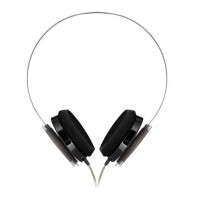
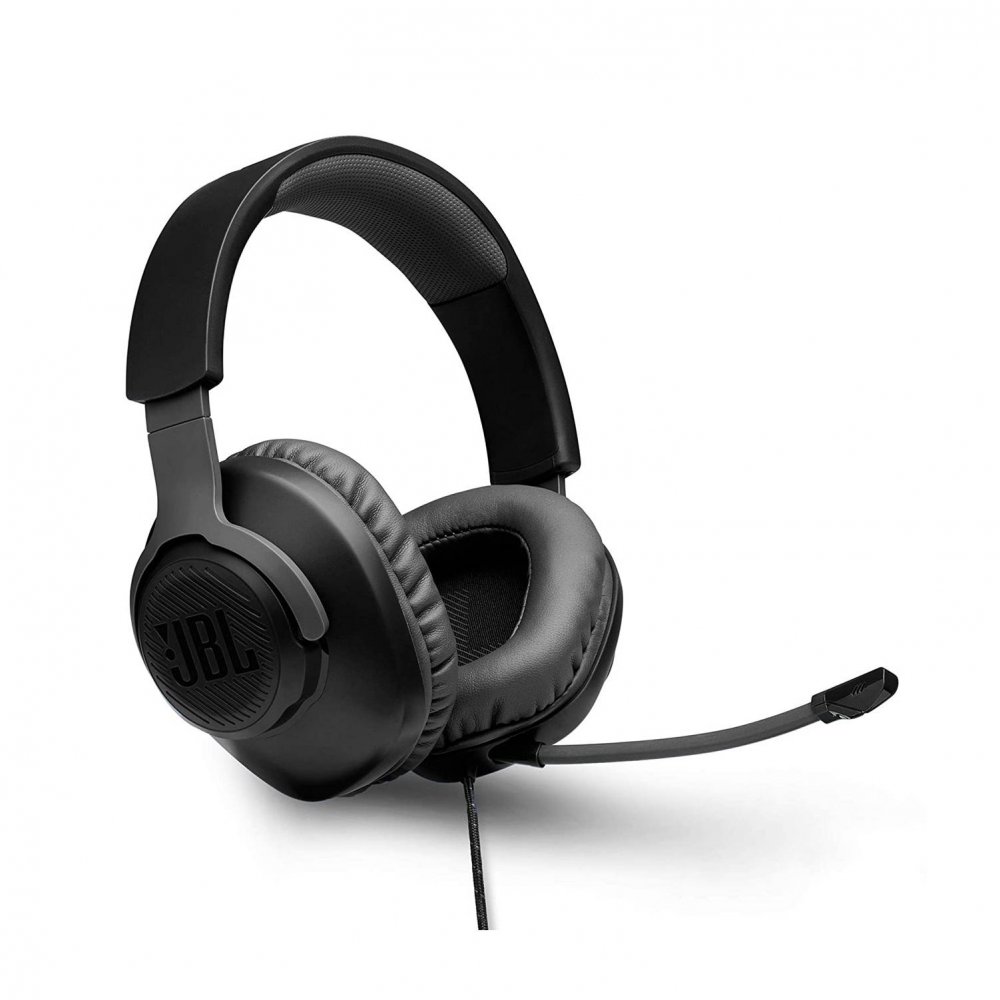
| Specification | ||
|---|---|---|
| Price | Rs.2,400.00 |
Rs.2,499.00 |
| Brand | Sennheiser |
JBL |
| Model No | PX 95 |
Quantum 100 |
| Wired / Wireless | Wired Headphone Specification |
Wired Headphone Specification |
| Headphone Type | On Ear |
Over Ear |
| Magnet Type | Neodymium |
Dynamic |
| Driver Diameter | 40 mm |
40 mm |
| Impedance | 32 Ohms |
32 ohm |
| Sensitivity | 114 dB/mW |
96dB1mW |
| Frequency Response | 15 Hz - 27000 Hz |
20 Hz - 20000 Hz |
| Maximum Power Input | NA |
20 mW |
| Noise Cancelling | NA |
NA |
| Available Colors | Black |
Black, White, Blue |
| Connector Plating | 3.5 mm Gold Plated Jack |
3.5 mm |
| Cable | 1.2 m |
NA |
| Weight | 71 g |
220 gm |
| Other Features | - Dynamic drivers for detailed stereo sound with strong bass - Improved earpad foam and quality fabric mesh for enhanced acoustics - A lightweight steel headband for maximum flexibility and durability - Adjustable ear cups for a personalized fit - Optimized for MP3, iPod, iPhone and portable media players (iPod and iPhone are trademarks of Apple Inc. registered in the U.S. and other countries.) - 2 year warranty |
JBL Quantum SOUND Signature. Play even longer in memory foam comfort. Compatible with Windows Sonic Spatial Sound. Voice focus directional flip-up boom microphone. Be at the center of the game with JBL Quantum SOUND Signature. 1 Year Warranty Provided by the Manufacturer from Date of Purchase |
Compare Sennheiser PX 95 with:
Compare JBL Quantum 100 with:
Top Differences
- Weight: 71 g vs 220 gm
- Impedance: 32 Ohms Vs 32 ohm