 ALERT
ALERT
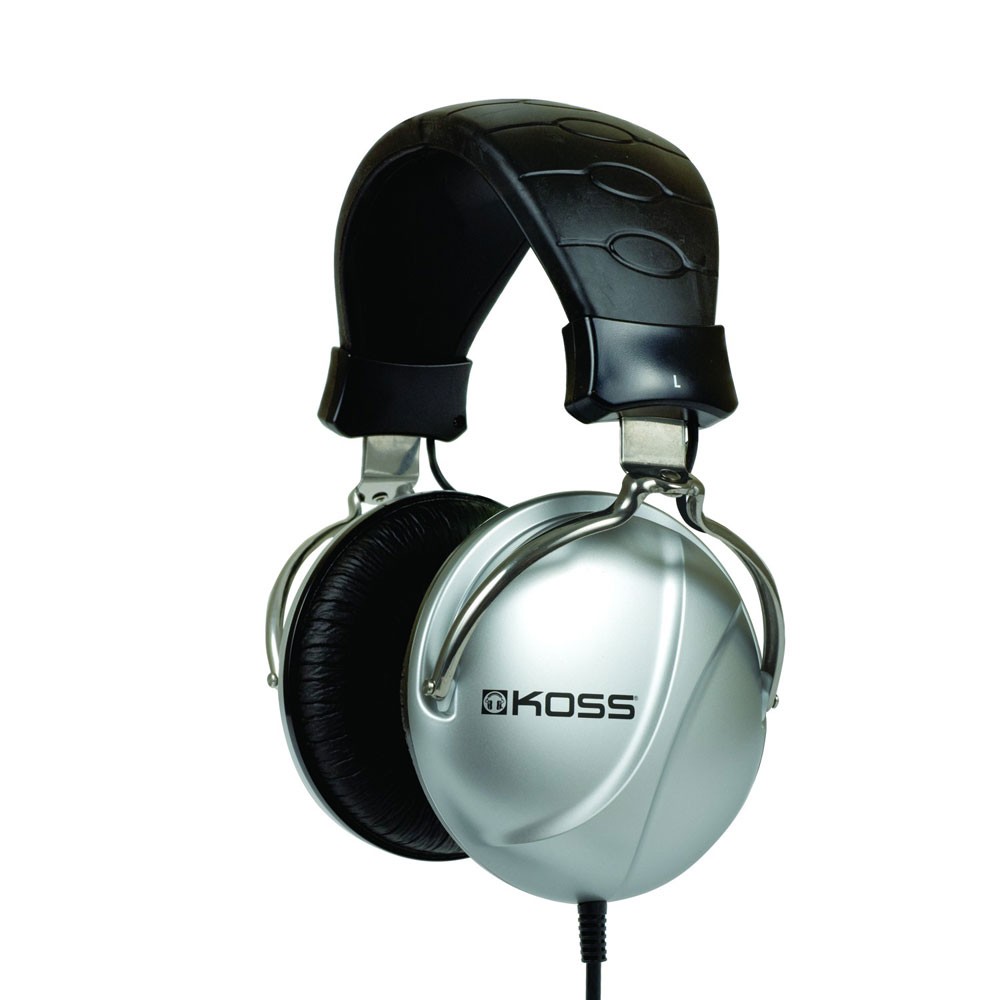
Sennheiser PX 100-II vs Koss TD85
Advertisement
| Specification | ||
|---|---|---|
| Price | Rs.3,990.00 |
Rs.4,000.00 |
| Brand | Sennheiser |
Koss |
| Model No | PX 100-II |
TD85 |
| Wired / Wireless | Wired Headphone Specification |
Wired Headphone Specification |
| Headphone Type | On Ear |
Over Ear |
| Magnet Type | Neodymium |
Neodymium |
| Driver Diameter | 40 mm |
NA |
| Impedance | 32 Ohms |
60 Ohms |
| Sensitivity | 114 dB/mW |
98 dB/mW |
| Frequency Response | 15 Hz - 27000 Hz |
20 Hz - 17000 Hz |
| Maximum Power Input | NA |
NA |
| Noise Cancelling | NA |
NA |
| Available Colors | Black, White |
Grey |
| Connector Plating | 3.5 mm Gold Plated Jack |
3.5 mm Gold Plated Jack |
| Cable | 1.2 m |
2.5 m |
| Weight | 74 g |
NA |
| Other Features | - Open design for natural sound reproduction - Single-sided cable for convenient handling - Steel-reinforced headband for high durability - Fold and flip: registered design allows the ear cups to be turned 90° and the headphones folded towards the headband (headphones will lock in open and closed positions) - Convenient carrying case included - Optimised for MP3, iPod, iPhone (iPod and iPhone are trademarks of Apple Inc. registered in the U.S. and other countries) and portable media players - 2 year warranty |
- Oxygen-free copper voice coils improve signal transmission and conduction for cleaner, clearer sound - Adjustable headband and large leatherette ear cushions for custom fit - Steel yokes reinforce overall construction - Robust, yet surprisingly lightweight and comfortable, construction - Kevlar-reinforced, single-entry 8 foot, coiled cord with gold-flashed 3.5 mm (1/8-inch) plug (L-shaped to minimize cord stress) and gold-flashed 6.3 mm (1/4-inch) adapter - Simple, streamlined construction minimizes potential breakage - Covered under the Koss Stereo phones Limited Lifetime Warranty |

Advertisement
Compare Sennheiser PX 100-II with:
Compare Koss TD85 with:
Top Differences
- Driver Size: 40 mm vs NA
- Weight: 74 g vs NA
- Impedance: 32 Ohms Vs 60 Ohms
Advertisement