 ALERT
ALERT
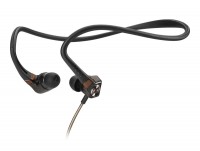
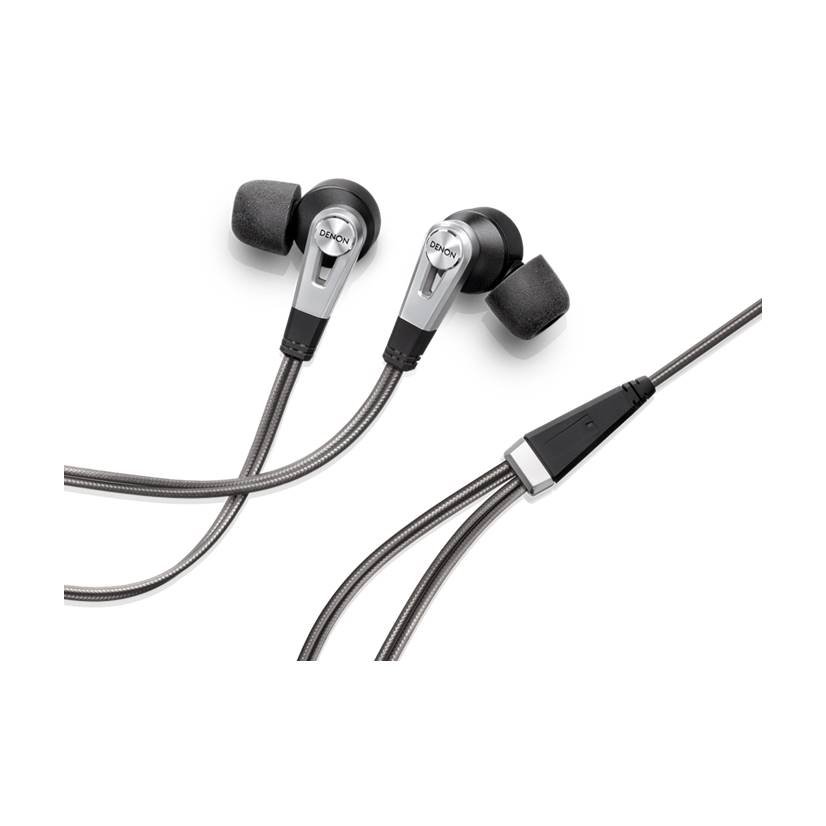
Sennheiser PCX 95 vs Denon AH-C820
Advertisement
| Specification | ||
|---|---|---|
| Price | Rs.4,880.00 |
Rs.5,738.26 |
| Brand | Sennheiser |
Denon |
| Model No | PCX 95 |
AH-C820 |
| Wired / Wireless | Earphone Specification |
Earphone Specification |
| Headphone Type | Neckband |
In Ear Canal |
| Magnet Type | Neodymium |
Dynamic |
| Driver Diameter | NA |
11.5 mm |
| Impedance | 32 Ohms |
16 ohm |
| Sensitivity | 115 dB/mW |
115 dB/mW |
| Frequency Response | 17 Hz - 22500 Hz |
5 Hz -40000 Hz |
| Maximum Power Input | NA |
250 mW |
| Noise Cancelling | NA |
NA |
| Available Colors | Black |
Black |
| Connector Plating | 3.5 mm Gold Plated Jack |
3.5 mm |
| Cable | 1.2 m |
Durable Fiber Meshed Cable |
| Weight | 21 g |
10.5 Gm |
| Other Features | - Precise, bass-driven sound with enhanced passive noise isolation - An angled acoustic pipe for improved sound projection - A single-sided anti-friction cable for convenient handling - A set of ear adapters (S, M and L) for a personalized fit - Optimized for MP3, iPod, iPhone and portable media players (iPod and iPhone are trademarks of Apple Inc. registered in the U.S. and other countries.) - 2 year warranty |
Radial Cascade Damper for suppressing cable-noise. Denon Acoustic Optimizer for powerful and detailed sound. Denon patented Double Air Compression Driver with dual cable. Ergonomic aluminium diecast / resin hybrid housing for best sound and fit. |
Advertisement
Compare Sennheiser PCX 95 with:
Compare Denon AH-C820 with:
Top Differences
- Driver Size: NA vs 11.5 mm
- Weight: 21 g vs 10.5 Gm
- Impedance: 32 Ohms Vs 16 ohm
Advertisement