 ALERT
ALERT
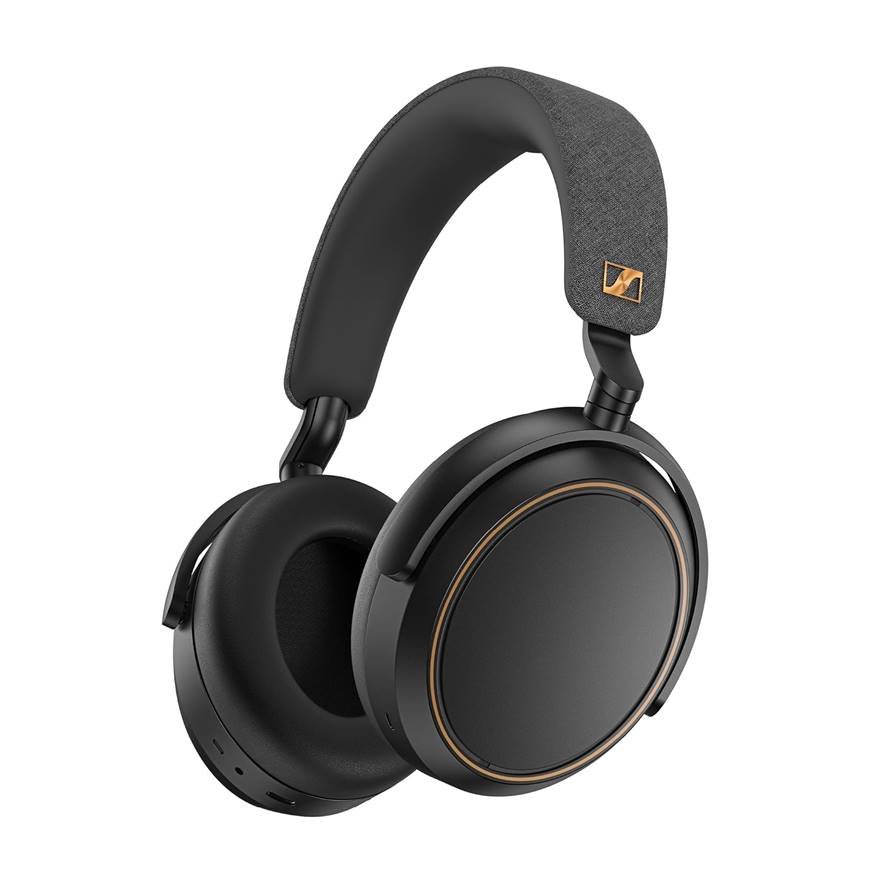
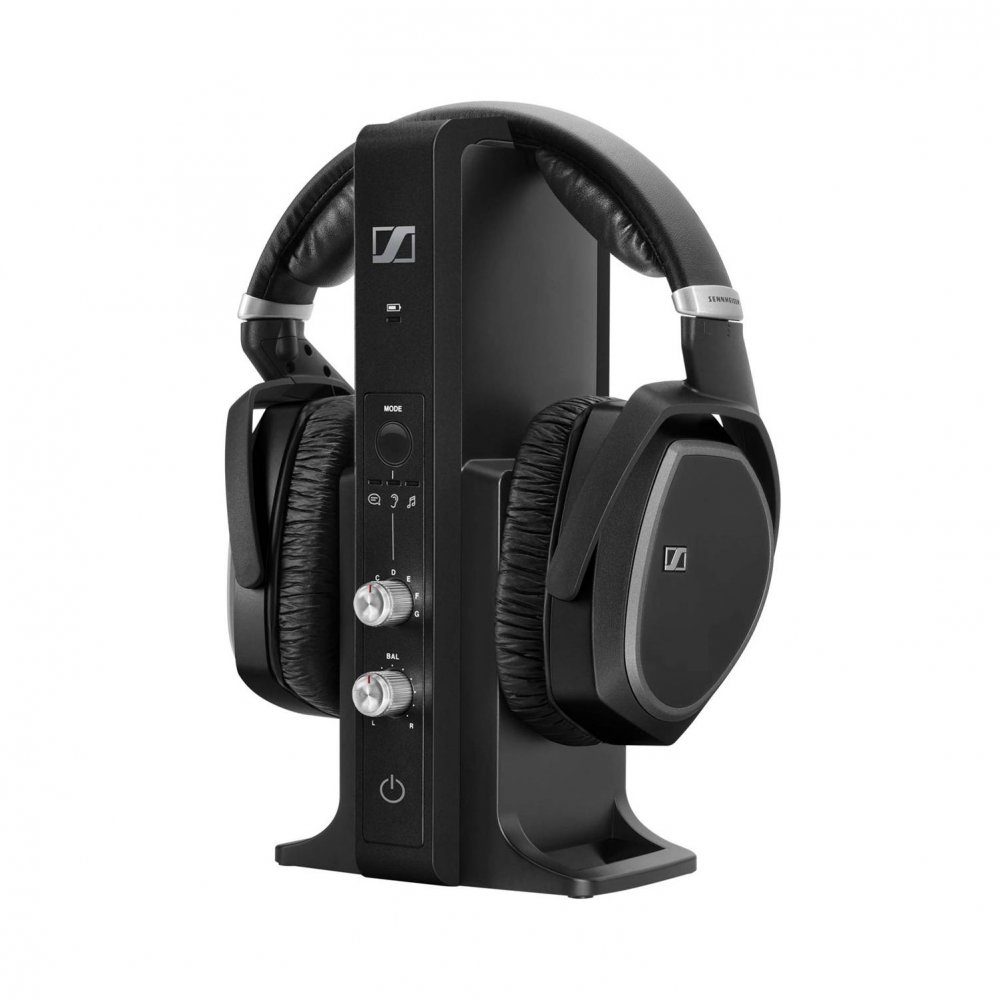
Sennheiser Momentum 4 Copper vs Sennheiser RS 195
Advertisement
| Specification | ||
|---|---|---|
| Price | Rs.34,990.00 |
Rs.34,990.00 |
| Brand | Sennheiser |
Sennheiser |
| Model No | Momentum 4 Copper |
RS 195 |
| Wired / Wireless | Wireless Headphone Specification |
Wireless Headphone Specification |
| Headphone Type | Over Ear |
Over Ear |
| Magnet Type | Dynamic |
Dynamic, Neodymium |
| Driver Diameter | 42 mm |
NA |
| Impedance | Passive 60 Ohms, Active 470 Ohms |
32 ohm |
| Sensitivity | 106 dB SPL |
117 dB/mW |
| Frequency Response | 6Hz - 22KHz |
17 Hz - 22000 Hz |
| Maximum Power Input | 10 mW |
9 V |
| Wireless / Bluetooth Details | ||
| Wireless Technology | Bluetooth |
Bluetooth |
| Bluetooth Version | 5.2 |
NA |
| Compatible Profiles | All Bluetooth Devices |
All Bluetooth Devices |
| Supported Codecs | SBC, AAC, aptXâ„¢, aptX adaptiveâ„¢ |
NA |
| Battery Type | Lithium-Ion Batteries |
Nickel Metal Hydride Batteries |
| Bluetooth Range | 10 Meters |
100 Meters |
| Battery Life | 60 Hours |
18 Hours |
| Charging Time | 2 Hours |
8.5 Hours |
| Noise Cancelling | Hybrid Adaptive Active Noise Cancelling |
Active |
| Available Colors | Black, White, Orange |
Black |
| Connector Plating | 3.5 mm |
3.5 mm Stereo |
| Cable | USB Type-C Charging Cable |
Optical Cable |
| Weight | 293 GM |
340 gm |
| Other Features | After 5 min charging up to 4 hrs music playtime. Top-Tier Battery Life – Outstanding battery life with up to 60-hours play back time with fast charging. Sennheiser Signature Sound – Powered by Sennheiser’s audiophile-inspired 42mm transducer system for exceptional high-fidelity sound. Premium Comfort – Lightweight design features a padded headband and deep cushioned earpads to ensure exceptional and long-lasting wearing comfort. Stay immersed in your music Thanks to the headphone's Adaptive Noise Cancellation, you stay distraction-free - and with the Adjustable Transparency Mode you stay in touch with the world around you. Personalized sound via the Sennheiser Smart Control App Adjust the sound to your individual listening preferences via the integrated equalizer, presets and sound modes - for a unique sound experience Crystal-clear Calls – Four digital beamforming microphones ensure high quality voice pick-up and automatic wind noise suppression for optimized calls and easier voice assistant access ( Siri and Google Assistant ). Adaptive Noise Cancellation and Transparency Mode – Advanced noise cancellation automatically adapts your sound to your surroundings. Transparency Mode lets you hear external sounds without removing your headphones. Customizable Sound – Listen your way with built-in EQ, presets, sound modes, and Sound Personalization feature, which tailors the audio to your individual hearing – all accessible via the Sennheiser Smart Control App. Exceptional comfort and long battery life Lightweight, foldable design with padded headband and deeply cushioned ear pads for long-lasting comfort - up to 60 hours of playback time with fast charging; Crystal-clear calls The four digital beamforming microphones ensure high-quality voice pick-up and automatically suppress wind noise for optimized calls and easier access to the voice assistant. |
Balance control for right/left volume adjustment. Closed back, circumaural headphone system with excellent digital wireless audio transmission delivering range up to 328ft / 100m ( line of sight ). Selectable hearing boost presets with an additional noise suppression mode for clearer dialogues and superior speech intelligibility. Music listening mode for increased dynamic range. Multi-purpose transmitter supports both Digital and Analog Inputs in addition Automatic and Manual Level Control - also functions as 'easy-charge' cradle and docking station for the headphones. |
Advertisement
Compare Sennheiser Momentum 4 Copper with:
Compare Sennheiser RS 195 with:
Top Differences
- Battery Life: 18 Hours vs 60 Hours
- Driver Size: NA vs 42 mm
- Bluetooth: NA vs 5.2
- Weight: 340 gm vs 293 GM
- Impedance: 32 ohm Vs Passive 60 Ohms, Active 470 Ohms
Advertisement