 ALERT
ALERT
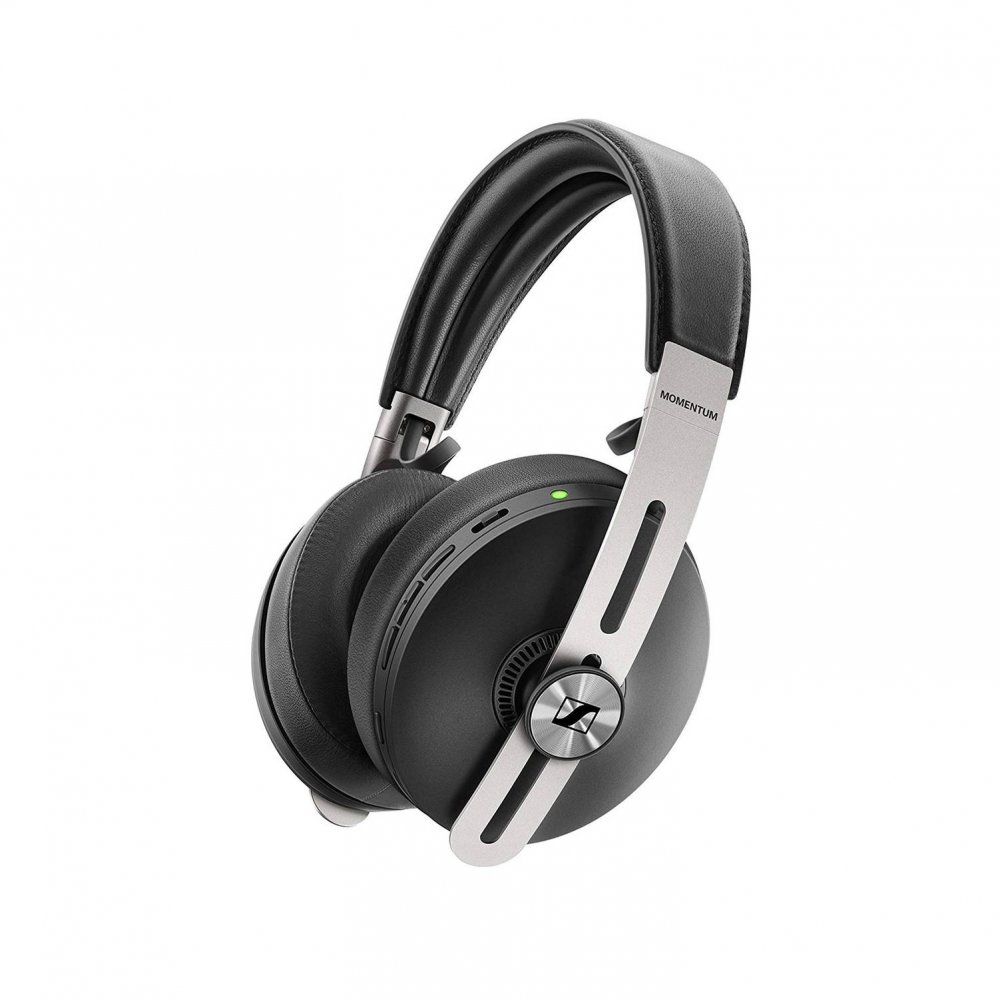
Sennheiser Momentum 3 Wireless vs Sennheiser RS 2000
Advertisement
| Specification | ||
|---|---|---|
| Price | Rs.34,990.00 |
Rs.34,913.00 |
| Brand | Sennheiser |
Sennheiser |
| Model No | Momentum 3 Wireless |
RS 2000 |
| Wired / Wireless | Wireless Headphone Specification |
Wireless Headphone Specification |
| Headphone Type | Over Ear |
In Ear |
| Magnet Type | Dynamic |
Dynamic, Neodymium |
| Driver Diameter | 42 mm |
9.2 MM |
| Impedance | 470 ohm |
32 ohm |
| Sensitivity | 118 dB |
125 dB |
| Frequency Response | 6 Hz - 22000 Hz |
15 Hz - 16000 Hz |
| Maximum Power Input | 10 mW |
5 V |
| Wireless / Bluetooth Details | ||
| Wireless Technology | Bluetooth |
Bluetooth |
| Bluetooth Version | 5.0 |
4.0 |
| Compatible Profiles | All Bluetooth Devices |
All Bluetooth Devices |
| Supported Codecs | A2DP, AVRCP, HSP, HFP, DIS, BAS, SBC, aptXâ„¢, aptXâ„¢ Low Latency, AAC |
A2DP + AVRCP + HSP + HFP + APT-X® |
| Battery Type | Lithium-ion Polymer Batteries |
Lithium-ion Polymer Batteries |
| Bluetooth Range | 10 Meters |
10 Meters |
| Battery Life | 19 Hours |
9 Hours |
| Charging Time | 3 Hours |
3 Hours |
| Noise Cancelling | 3 Active |
NA |
| Available Colors | Black |
Black |
| Connector Plating | 3.5 mm Analog Mini Jack |
3.5 mm |
| Cable | USB-C Charging Cable |
Adapter |
| Weight | 305 gm |
230 gm |
| Other Features | Get lost in the music. Your sound, on your terms. In tune with your lifestyle. Never lose your rhythm again. Personalization in the palm of your hand. Automatic pairing mode - makes setting up momentum 3 wireless easy on the first activation. Three button interface - provides easy operation without having to read a manual, frequency range: 6hz - 22khz. Active noise cancellation and transparent hearing - momentum 3 wireless adapts to your environment wherever you find yourself. Exceptional comfort - soft ear-pads and headband crafted from genuine leather insure exceptional wearing comfort during long listening sessions. Auto on and off and smart pause - never miss a beat with seamless on and off and pause functionality, plays your music faster than any other headphone. |
Easy to use volume and balance controls Connects to TV or any audio device using analog input Two year warranty when purchased from an authorized Sennheiser dealer. Built in Lithium Polymer battery provides to 9 hours operation on a full complete charge. Crystal clear wireless transmission for freedom of movement (up to 150 ft.).Connectivity Technology: Wireless |

Advertisement
Compare Sennheiser Momentum 3 Wireless with:
Compare Sennheiser RS 2000 with:
Top Differences
- Battery Life: 19 Hours vs 9 Hours
- Noise Cancelling: 3 Active vs NA
- Driver Size: 42 mm vs 9.2 MM
- Bluetooth: 5.0 vs 4.0
- Weight: 305 gm vs 230 gm
Advertisement