 ALERT
ALERT
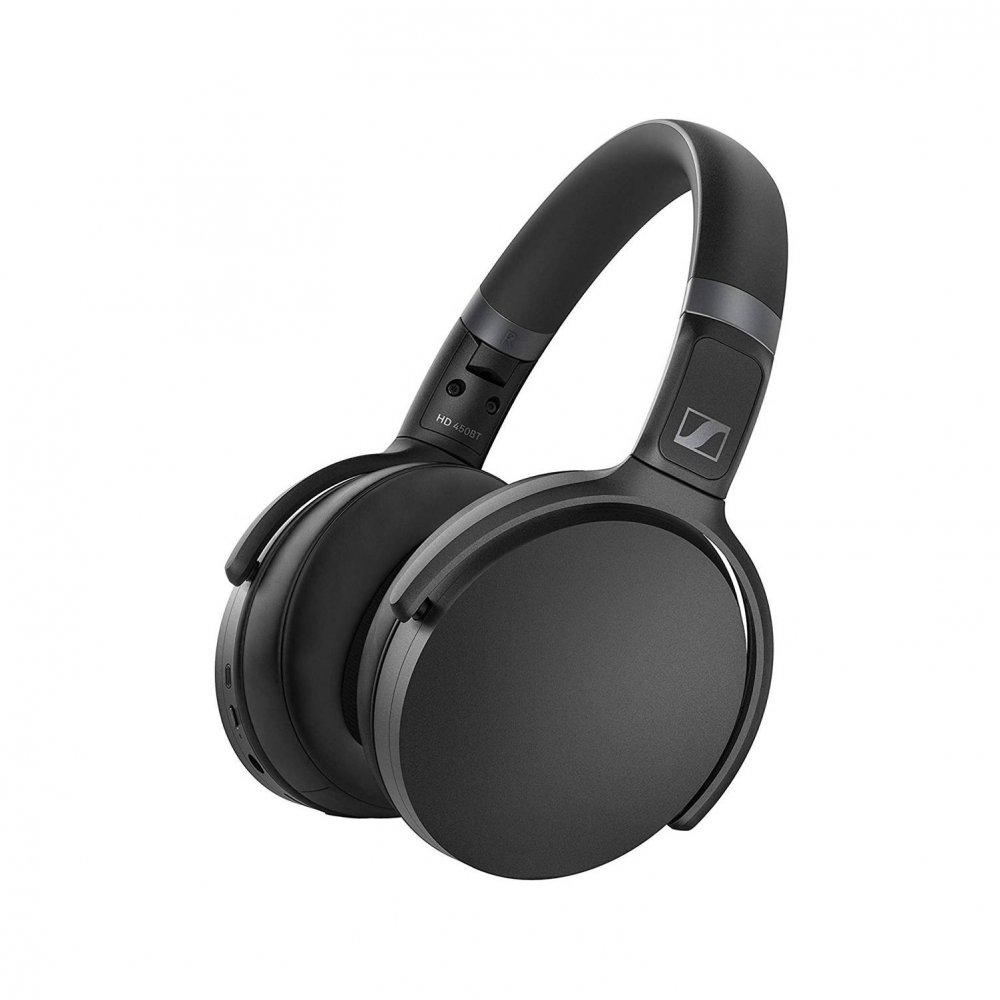
Sennheiser HD 450BT vs Sony MDR-10RBT
Advertisement
| Specification | ||
|---|---|---|
| Price | Rs.14,990.00 |
Rs.14,990.00 |
| Brand | Sennheiser |
Sony |
| Model No | HD 450BT |
MDR-10RBT |
| Wired / Wireless | Wireless Headphone Specification |
Wireless Headphone Specification |
| Headphone Type | Over Ear |
Over Ear |
| Magnet Type | Dynamic |
Neodymium |
| Driver Diameter | 32 mm |
40 mm |
| Impedance | 490 ohm |
36 ohms |
| Sensitivity | 108 dB |
102 dB |
| Frequency Response | 18 Hz - 22000 Hz |
5 - 40,000 Hz |
| Maximum Power Input | 12.6 mW |
1500 mW |
| Wireless / Bluetooth Details | ||
| Wireless Technology | Bluetooth |
Bluetooth |
| Bluetooth Version | 5.0 |
3.0 |
| Compatible Profiles | All Bluetooth Devices |
A2DP, AVRCP, HFP, HSP |
| Supported Codecs | A2DP, AVRCP, HSP, HFP, SBC, aptXâ„¢, aptXâ„¢ Low Latency, AAC |
SBC, AAC, aptX |
| Battery Type | Lithium Polymer Batteries |
Lithium Ion Rechargeable Battery |
| Bluetooth Range | 10 Meters |
30 ft (10 m) |
| Battery Life | 30 Hours |
Music Playtime: 17 hr |
| Charging Time | 2 Hours |
2.5 hr |
| Noise Cancelling | Active |
No |
| Available Colors | Black, White |
Black |
| Connector Plating | NA |
L-Shaped 3.5 mm Gold Plated Plug |
| Cable | USB Type C Charging Cable |
1.2 m |
| Weight | 238 gm |
210 g (including rechargeable battery) |
| Other Features | Smart Control App. 30-hour battery life. Connect and interact. Personalise your Sound. Exceptional wireless sound. Superior Sound technology. Enjoy your music – without distraction. Your audio companion for every need. Your reliable companion on the move. App support providing an equalizer, Podcast Mode and Firmware updates. Intuitive controls including Virtual Assistant button for Siri and Google Assistant. Great wireless sound with deep dynamic bass and codec support including AAC and AptX Low Latency. USB-C fast charging and advanced wireless Bluetooth 5.0 technology for effortlessly reliable connectivity. Crafted from materials and with for outstanding durability with minimalist design available in a choice of white or black. |
- One-touch Listening with NFC (Near Field Communications) - Microphone Unit Type: Electret Condenser - Built-In microphone for hands-free calling - Built-In remote with play, pause, stop, FF and FR functionality - Microphone Frequency Range: 100Hz - 4,000Hz |
Advertisement
Compare Sennheiser HD 450BT with:
Compare Sony MDR-10RBT with:
Top Differences
- Battery Life: Music Playtime: 17 hr, Talk Time: 17 hr, Standby Time: 450 hr vs 30 Hours
- Noise Cancelling: No vs Active
- Driver Size: 40 mm vs 32 mm
- Bluetooth: 3.0 vs 5.0
- Weight: 210 g (including rechargeable battery) vs 238 gm
Advertisement