 ALERT
ALERT
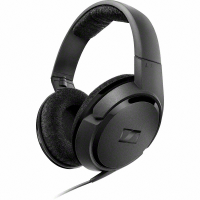
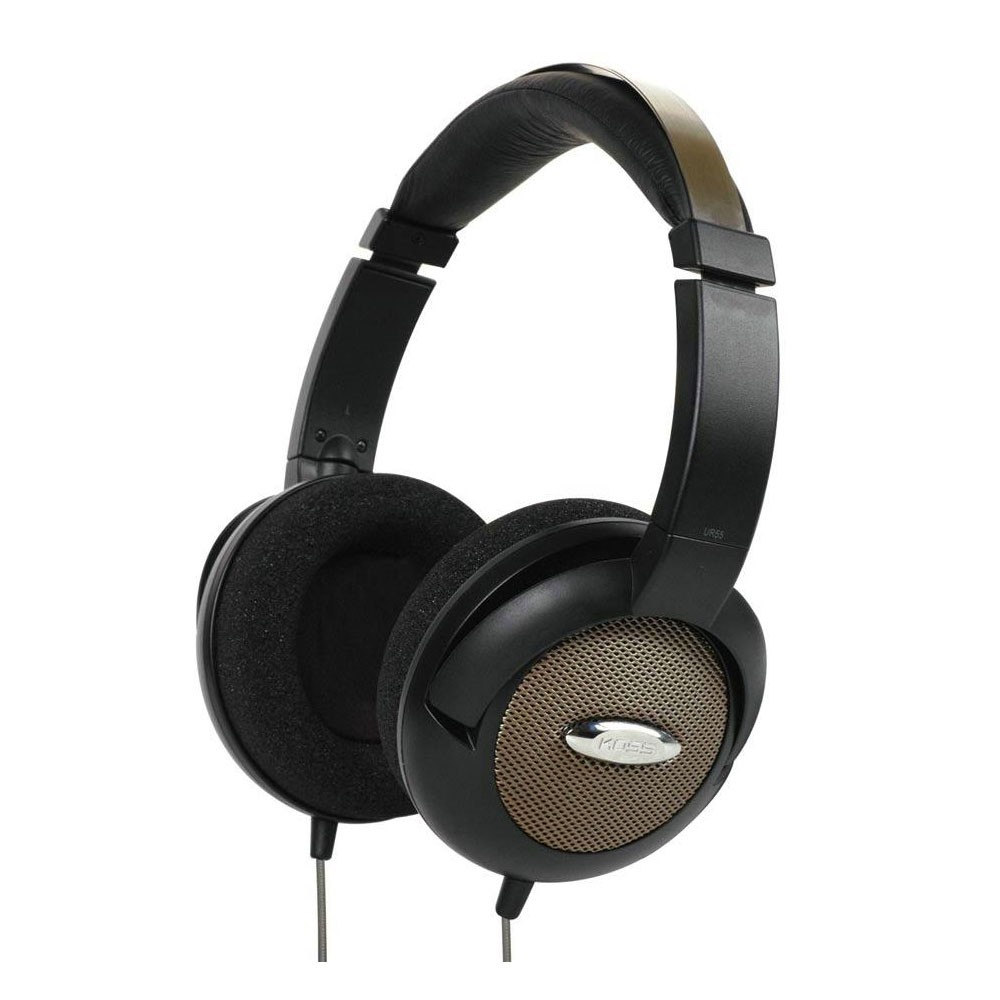
Sennheiser HD 419 vs Koss UR55
Advertisement
| Specification | ||
|---|---|---|
| Price | Rs.3,500.00 |
Rs.3,550.00 |
| Brand | Sennheiser |
Koss |
| Model No | HD 419 |
UR55 |
| Wired / Wireless | Wired Headphone Specification |
Wired Headphone Specification |
| Headphone Type | Over Ear |
Over Ear |
| Magnet Type | Neodymium |
Neodymium |
| Driver Diameter | 40 mm |
NA |
| Impedance | 32 ohms |
36 Ohms |
| Sensitivity | 108 dB |
100 dB/mW |
| Frequency Response | 20 - 20,000 Hz |
18 Hz -22000 Hz |
| Maximum Power Input | NA |
NA |
| Noise Cancelling | No |
NA |
| Available Colors | Black |
Black, Gold |
| Connector Plating | 3.5 mm Gold Plated Jack |
3.5 mm Gold Plated Jack |
| Cable | 1.4 m Single Sided Cable |
1.2 m |
| Weight | NA |
NA |
| Other Features | - Closed circumaural headphone design isolate against ambient noise - Single-sided cable for freedom of movement |
- Open-screen ear cups deliver great sound, lasting comfort and air circulation - Neodymium, iron and boron (rare-earth magnets) plus a dynamic element for extended frequency response - Padded sling with metal headband reinforcement for extreme durability - Swivel ear cups encourage maximum flexibility and single-ear listening - 4 foot Koss Flex-cord increases durability and helps prevent tangles - Covered under the Koss Stereo phones Limited Lifetime Warranty |
Advertisement
Compare Sennheiser HD 419 with:
Compare Koss UR55 with:
Top Differences
- Noise Cancelling: No vs NA
- Driver Size: 40 mm vs NA
- Impedance: 32 ohms Vs 36 Ohms
Advertisement