 ALERT
ALERT
| Specification | ||
|---|---|---|
| Price | Rs.3,490.00 |
Rs.3,573.00 |
| Brand | Sennheiser |
JBL |
| Model No | HD 300 |
E35 |
| Wired / Wireless | Wired Headphone Specification |
Wired Headphone Specification |
| Headphone Type | Over Ear |
On Ear |
| Magnet Type | Dynamic |
Dynamic |
| Driver Diameter | NA |
40 mm |
| Impedance | 18 ohm |
32 ohm |
| Sensitivity | 118 dB SPL |
NA |
| Frequency Response | 18 Hz - 20000 Hz |
20 Hz - 20000 kHz |
| Maximum Power Input | NA |
NA |
| Noise Cancelling | AMBIENT |
NA |
| Available Colors | Black |
Black, White, Blue, Red |
| Connector Plating | 3.5 mm Angled |
3.5 mm |
| Cable | Tangle- Free Flat Cable |
Tangle- Free Fabric Cable |
| Weight | 217 Gm |
168 gm |
| Other Features | Well-balanced sound and powerful, dynamic bass. Sennheiser sound quality for a unique listening experience. Lightweight, foldable headphones for easy on-the-go storage. Closed-back around-ear headphones reduce unwanted background noise for your comfort. |
JBL Signature Sound. Hands Free Call. Siri / Google Now. Comfort-fit fabric headband. One-button universal remote with microphone. An innovative, stylish fabric headband and ergonomic on-ear design. JBL E35 on-ear headphones are style and substance, all rolled in one, delivering signature JBL sound. |
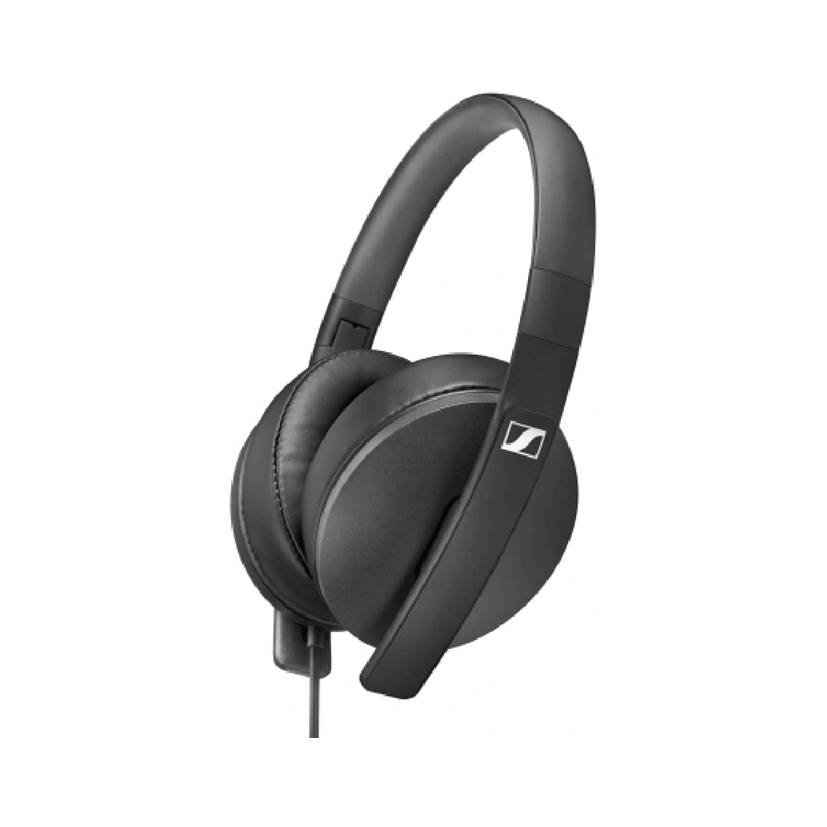

Compare Sennheiser HD 300 with:
Top Differences
- Noise Cancelling: NA vs AMBIENT
- Driver Size: 40 mm vs NA
- Weight: 168 gm vs 217 Gm
- Impedance: 32 ohm Vs 18 ohm