 ALERT
ALERT
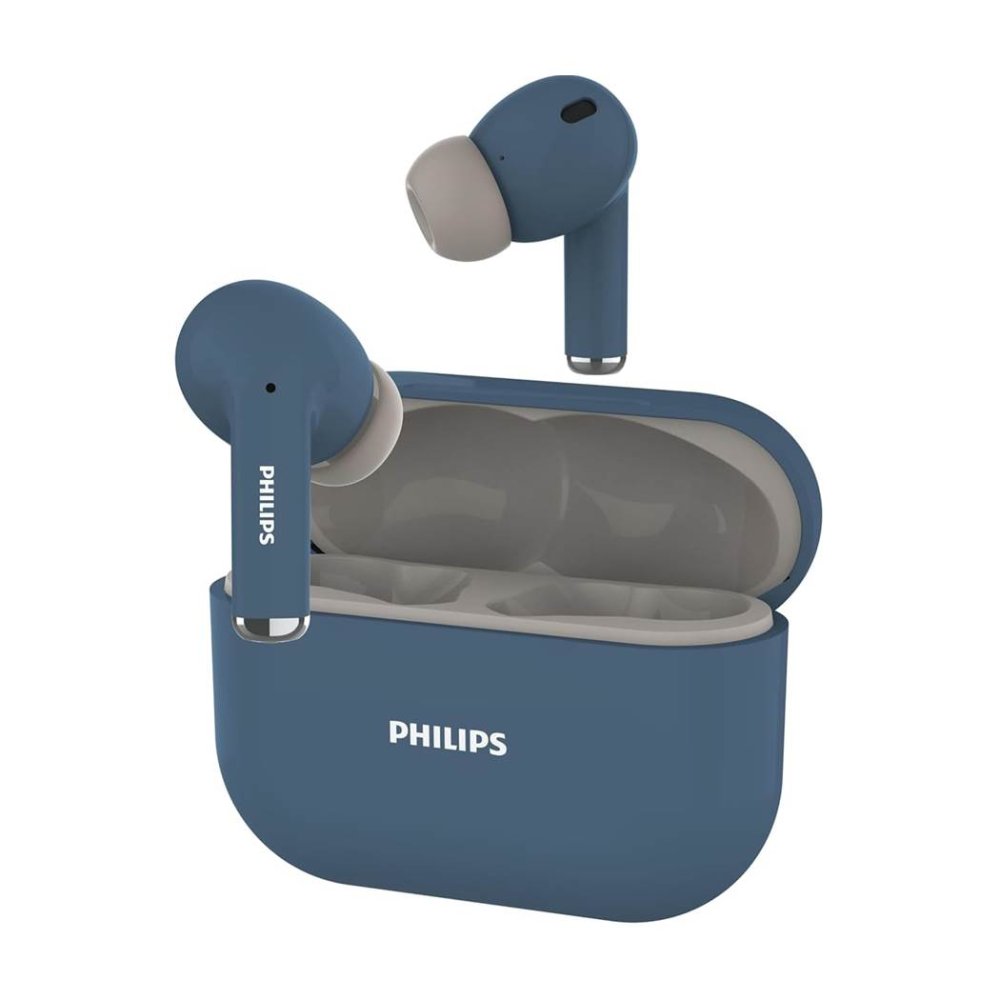
Sennheiser HD 250BT vs Philips TAT1169BL
Advertisement
| Specification | ||
|---|---|---|
| Price | Rs.2,990.00 |
Rs.2,999.00 |
| Brand | Sennheiser |
Philips |
| Model No | HD 250BT |
TAT1169BL |
| Wired / Wireless | Wireless Headphone Specification |
Wireless Headphone Specification |
| Headphone Type | On Ear |
In Ear |
| Magnet Type | Dynamic |
Dynamic |
| Driver Diameter | 32 mm |
12 mm |
| Impedance | 28 ohm |
16 Ohms |
| Sensitivity | 110 dB |
97dB@1KHz |
| Frequency Response | 20 Hz - 22000 Hz |
20Hz - 20KHz |
| Maximum Power Input | 12.6 mW |
10 mW |
| Wireless / Bluetooth Details | ||
| Wireless Technology | Bluetooth |
Bluetooth |
| Bluetooth Version | 5.0 |
5.3 |
| Compatible Profiles | All Bluetooth Devices |
All Bluetooth Devices |
| Supported Codecs | A2DP, AVRCP, HSP, HFP, SBC, aptXâ„¢, aptXâ„¢ Low Latency, AAC |
AAC, SBC |
| Battery Type | Lithium Polymer Batteries |
Lithium-Ion Batteries |
| Bluetooth Range | 10 Meters |
10 Meters |
| Battery Life | 25 Hours |
7 + 48 Hours |
| Charging Time | 3 Hours |
2 Hours |
| Noise Cancelling | NA |
Environmental Noise Cancelling |
| Available Colors | Black |
Blue |
| Connector Plating | NA |
NA |
| Cable | USB Type C Charging Cable |
USB Type-C Charging Cable |
| Weight | 125 gm |
38 GM |
| Other Features | 2-year warranty. Smart Control App 25-hours of battery life. Built-in microphone for phone calls. Listen to your music the way you want. Smart Control App with equalizer function. Sound that punches above its weight class. Unbeatable Battery Life for Busy Lifestyles. Personalize your sound experience with the. High-quality sound with dynamic bass – inspired by DJs. Superior audio with AAC, aptX codec support and aptX Low Latency. Advanced wireless Bluetooth 5.0 technology with seamless connectivity. The Sennheiser Smart Control App makes it possible to personalize the audio experience using an intuitive equalizer. |
Reliable Connection : Bluetooth connection provides a stable, uninterrupted listening and calling experience. High-Quality Sound : Experience warm, natural sound with dynamic bass boost and 12mm drivers for deep bass and clear calls. Comfort & Controls : Designed for a snug fit with interchangeable silicone ear tips, plus easy on-ear touch controls for convenience. Durable & Splash-Resistant : IPX4 rated, offering protection from sweat and splashes, making them perfect for workouts or outdoor use. Long Playtime & Convenience : Enjoy up to 55 hours of playtime with a pocket-sized charging case, ensuring your earbuds are always ready to go. |

Advertisement
Compare Sennheiser HD 250BT with:
Compare Philips TAT1169BL with:
Top Differences
- Battery Life: 25 Hours vs 7 + 48 Hours
- Noise Cancelling: NA vs Environmental Noise Cancelling
- Driver Size: 32 mm vs 12 mm
- Bluetooth: 5.0 vs 5.3
- Weight: 125 gm vs 38 GM
Advertisement