 ALERT
ALERT
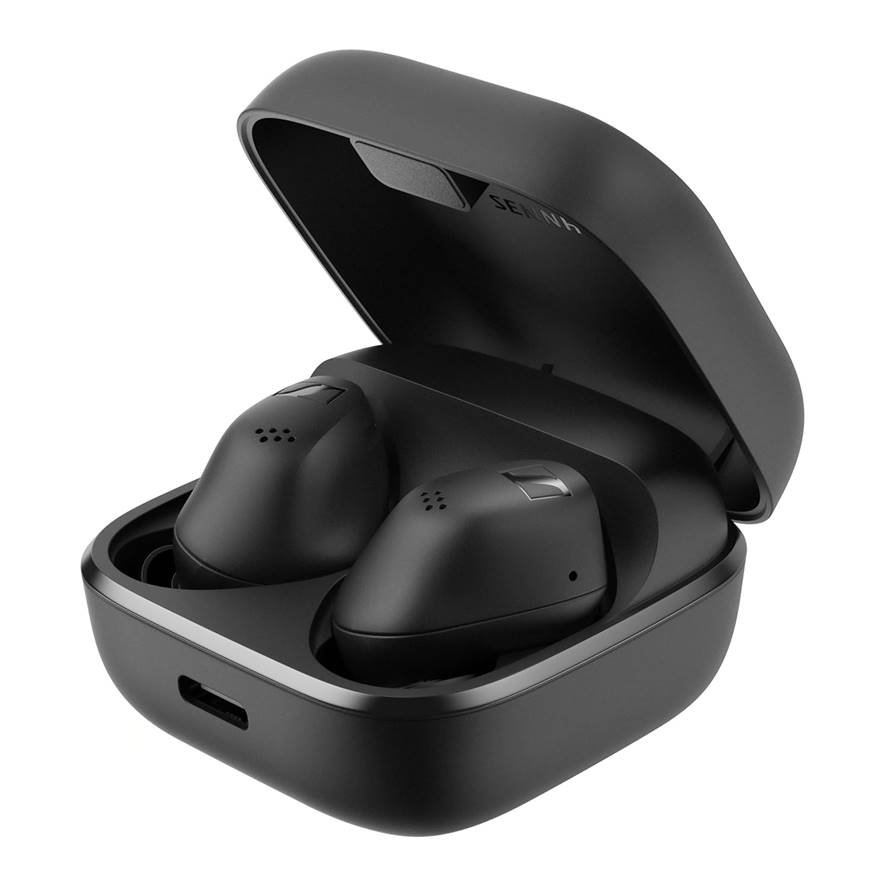
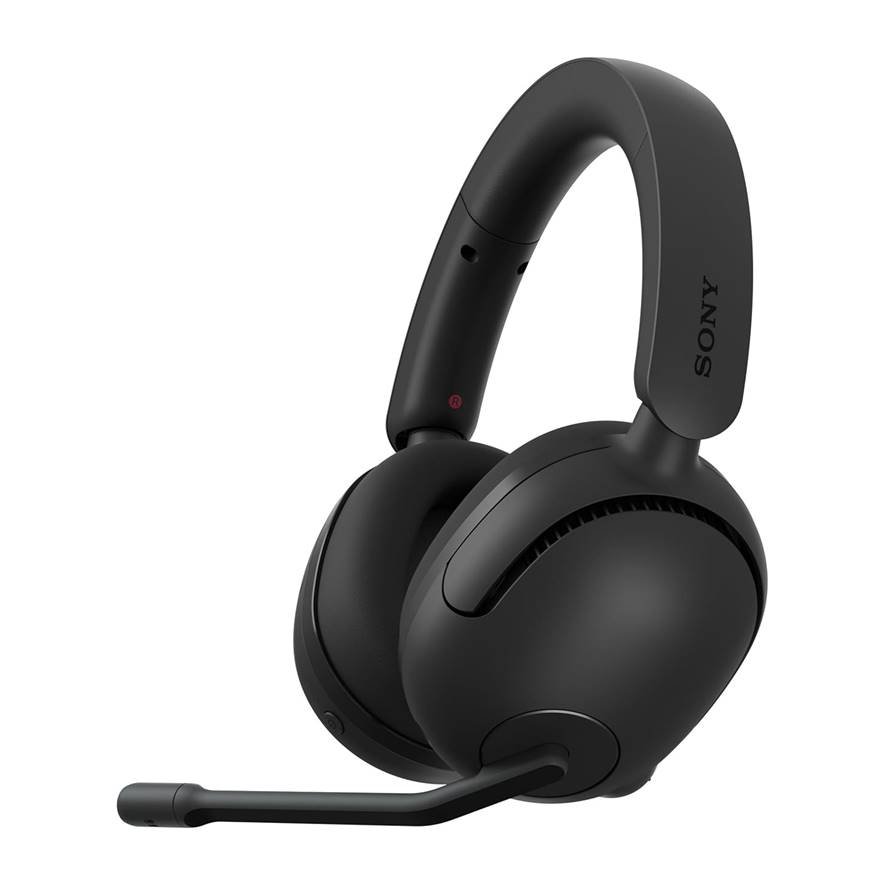
Sennheiser Accentum True Wireless vs Sony INZONE H5
Advertisement
| Specification | ||
|---|---|---|
| Price | Rs.19,990.00 |
Rs.19,990.00 |
| Brand | Sennheiser |
Sony |
| Model No | Accentum True Wireless |
INZONE H5 |
| Wired / Wireless | Wireless Headphone Specification |
Wireless Headphone Specification |
| Headphone Type | In Ear Canal |
Over Ear |
| Magnet Type | Dynamic |
Dynamic |
| Driver Diameter | 7 mm |
40 mm |
| Impedance | 140 Ohms |
21 Ohms |
| Sensitivity | 107 dB SPL |
89 dB/mW |
| Frequency Response | 5Hz - 21KHz |
5Hz - 20KHz |
| Maximum Power Input | 10 mW |
DC 5 V, 0.5 A |
| Wireless / Bluetooth Details | ||
| Wireless Technology | Bluetooth |
Bluetooth |
| Bluetooth Version | 5.4 |
5.3 |
| Compatible Profiles | All Bluetooth Devices |
All Bluetooth Devices |
| Supported Codecs | SBC, AAC, aptXâ„¢, LC3 |
SBC, AAC |
| Battery Type | Lithium-Ion Batteries |
Lithium-Ion Batteries |
| Bluetooth Range | 10 Meters |
10 Meters |
| Battery Life | 28 Hours |
28 Hours |
| Charging Time | 1.5 Hours |
3.5 Hours |
| Noise Cancelling | Hybrid Adaptive Active Noise Cancelling |
Sound Isolation |
| Available Colors | Black, White, Blue |
Black, White |
| Connector Plating | NA |
3.5 mm Gold-Plated L-Shaped 4-Pole Mini Plug |
| Cable | USB Type-C Charging Cable |
USB Type-C Charging Cable |
| Weight | 101.7 GM |
260 GM |
| Other Features | After 10 min charging 1 Hrs music playtime. No Wires, No Worries : Convenient Qi wireless or USB-C charging options to keep you powered up effortlessly. Stay In The Moment : Transparency Mode lets you hear what's happening without removing your earbuds. Perfect for multitasking bees. Cutting-Edge Technology : With Bluetooth 5.3 compatibility and Bluetooth LE Audio* for advanced connectivity, including Auracastâ„¢ support. Noise? What Noise? : Hybrid Active Noise Cancellation ensures an immersive listening experience, blocking distractions so you can stay focus anywhere. Ergonomic Comfort And Secure Fit : Enjoy all-day listening with soft silicone tips designed from extensive in-ear ergonomic research for unparalleled earphone wearability. Advanced Connectivity And Control : Experience seamless pairing with Bluetooth 5.3, customizable touch controls for audio and calls, and dual-mic technology for clear conversations. Hybrid Active Noise Cancellation : Block out the world and immerse yourself in your music with effective noise cancelling, or switch to transparent mode to stay connected to your surroundings. All-Day Battery And Convenient Charging : Power through the day with 8 hours of playtime and an additional 20 hours from the charging case, with convenient Qi wireless and USB-C charging options. Sennheiser Signature Sound Quality : Exceptional audio with True Response technology, customizable via the Smart Control app for a personalized sound experience from deep bass to crystal clear highs. |
Clear communication powered by AI. A quick charge of 10 minutes will give you 3 hour of play. Light mode or dark mode - Bright white or sleek black choose the colour that suits your style or complements your set-up. Approved by the best, for you - Designed in collaboration with professional gamers to help you get the edge over your rivals. Clear communication powered by AI - The INZONE H5's microphone doesn't just rely on design to help you deliver crisp, clear communication. It also leverages machine learning built from an AI Deep Neural Network. Comfortable and lightweight - With its sleek nylon earpads, gentle side pressure, and plush headband cushion, the INZONE H5, weighing approximately 260g, promises unparalleled comfort for those extended listening sessions. Make sure your voice is heard - The high-quality, bidirectional boom microphone is designed to rest close to your mouth so that your voice is always heard clearly. Designed to isolate your voice and filter out ambient noises. Richer highs, more powerful lows - 40 mm drivers ensure that every gaming sound is authentically reproduced. It delivers genuine high to low frequencies, enhanced by housing ducts for richer bass. Experience gaming immersion like never before. Up to 28 hours of play - With up to 28 hours of continuous play time, you can rely on the INZONE H5 to last as long as you need. And with 3 hours of play time from just 10 minutes of charge, you can be up and running as soon as you get back from a break. 360 Spatial Sound for Gaming - In games that are won and lost in seconds, whoever reacts first often wins. 360 Spatial Sound for Gaming pinpoints opponent's footsteps, giving you unmatched situational awareness. Use the 360 Spatial Sound Personalizer smartphone app and get sound mapped to your ear shape. |
Advertisement
Compare Sennheiser Accentum True Wireless with:
Compare Sony INZONE H5 with:
Top Differences
- Noise Cancelling: Sound Isolation vs Hybrid Adaptive Active Noise Cancelling
- Driver Size: 40 mm vs 7 mm
- Bluetooth: 5.3 vs 5.4
- Weight: 260 GM vs 101.7 GM
- Impedance: 21 Ohms Vs 140 Ohms
Advertisement