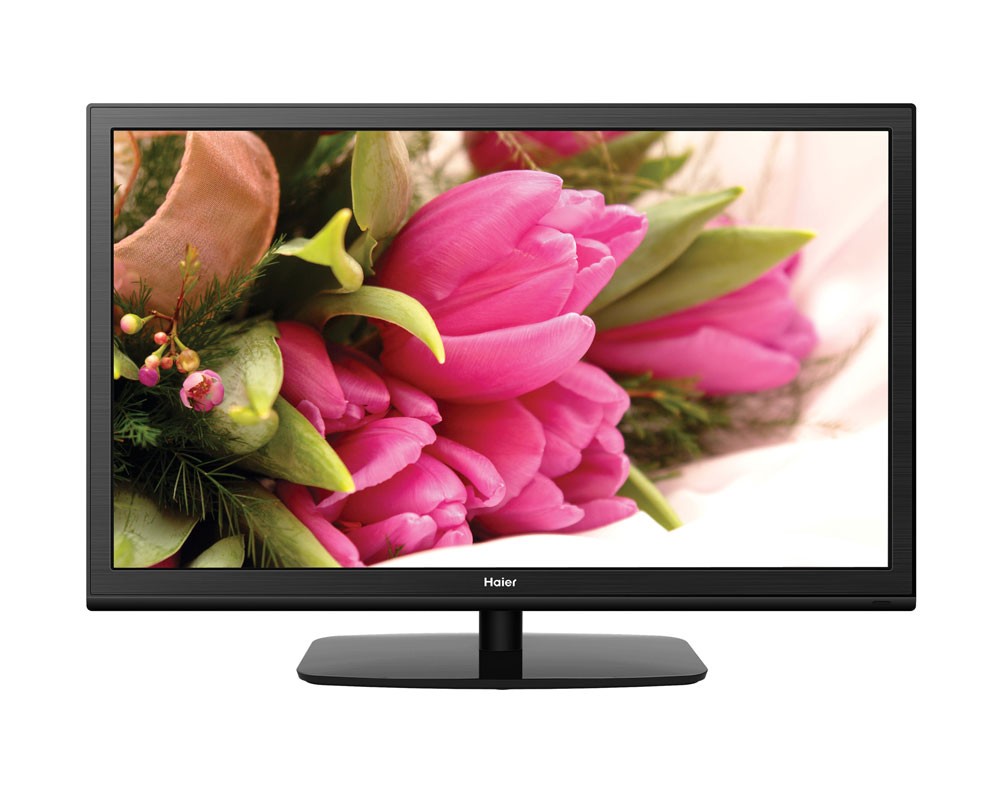
| Model No |
SMJ28HH07FA |
LE29B1000 |
| TV Type |
LED TV |
LED TV |
| Screen Size |
28 Inch (69.80 cm) |
29 Inch (74 cm) |
| Resolution |
1366 x 768 |
1366 x 768 |
| Aspect Ratio |
16:9 |
16:9 |
| Motion Rate |
NA |
50 Hz |
| Viewing Angle |
178°/178° |
170/160 |
| USB |
| USB Version |
: 2.0 |
| Supported Audio Formats |
: AAC, AMR, LPCM, M4A, MP3, MPEG1 L1/2, WMA |
| Supported Video Formats |
: AVI, MKV, H264/MPEG-4 AVC, MPEG-1, MPEG-2, MPEG-4, WMV9/VC1 |
| Supported Picture Formats |
: JPEG, BMP, GIF, JPS, PNG, PNS |
|
| USB Version |
: 2.0 |
| Supported Audio Formats |
: MP3, AAC, WMA, PCM |
| Supported Video Formats |
: MKV, DivX, MP4, AVI, ASF, MOV, FLV, DAT, VOB |
| Supported Picture Formats |
: JPG |
|
| Video |
| Panel Type |
: HD |
| Display Colours |
: 16.7 Million |
| Selectable Picture Modes |
: Hi-Bright, Vivid, Sports, Cinema, User |
| Contrast Ratio |
: Mega |
| Brightness |
: 250 |
| Series |
: Nova |
|
| Noise Reduction |
: Yes |
| Comb Filter |
: Yes |
|
| Audio |
| Selectable Sound Modes |
: User / Speech / Standard / Music |
| Audio Output (RMS) |
: 2 x 10 Watts |
| Auto Volume Leveller |
: Yes |
| Graphic Equalizer |
: Yes 5 Band |
|
| Audio Power Output |
: 2 x 8 W |
| No. Of Sound Mode Settings |
: 5 |
| Equalizer |
: Yes |
| Automatic Volume Control |
: Yes |
| Stereo system |
: AV Stereo |
|
| Connectivity Options |
| HDMI In |
: 1 |
| USB |
: 1 |
| RF In |
: 1 |
| AV In |
: 1 |
| AV Out |
: 1 |
| Component In (YPBPR/YCBCR) |
: 1 |
| PC Audio In |
: 1 |
| VGA In |
: 1 |
|
| HDMI |
: 2 |
| USB |
: 1 |
| AC Power Input |
: 1 |
| RF Connection Input |
: 1 |
| Composite Video Input |
: 1 |
| Component Video (Y/Pb/Pr) |
: 1 |
| Analog Audio Input |
: 1 |
| Audio Output |
: 1 |
| Headphone Output |
: 1 |
| USB 2.0 Input |
: Yes |
|
| Other Features |
| Family Favourite |
: Yes |
| DNR |
: Yes |
| Eco Vision |
: Yes |
| OSD Languages |
: English |
| Indian Standard |
: Yes |
| Lightning Proof |
: Yes |
| Weather Proof |
: Yes |
|
| Program Guide |
: Yes |
| Music Mode |
: Yes |
| Game Mode |
: Yes |
| USB Photo Viewer |
: Yes |
| USB Music Player |
: Yes |
| USB Video Player |
: Yes |
|
| General Details |
| Power Supply |
: 110V240V at 50/60Hz |
| Power Consumption |
: 50 Watts |
| Power Consumption (Standby) |
: 0.1 Watts |
| Net Weight with stand |
: 3.25 Kg |
| Net Weight without stand |
: 3.12 Kg |
|
| Power Supply |
: 110 V - 220 V |
| Power Consumption |
: 40 W |
| Power Consumption Standy By mode |
: 0.5 W |
| Weight with Stand |
: 5.1 Kg |
| Gross Weight |
: 7.2 Kg |
|
| Supplied Accessories |
| Remote Handset |
: Yes |
| Battery Cell |
: Yes |
| User Guide Book |
: Yes |
|
| Remote Control |
: Yes |
| User Manual |
: Yes |
|
 ALERT
ALERT