 ALERT
ALERT
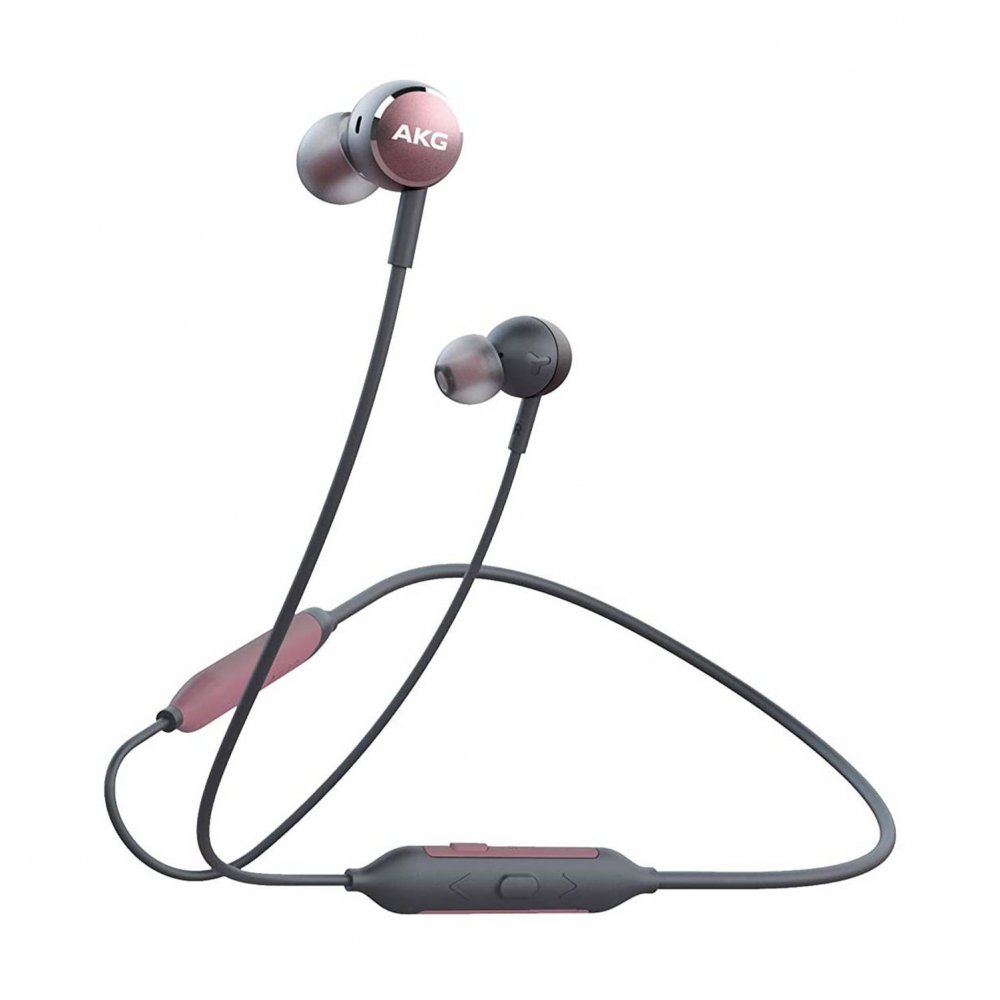
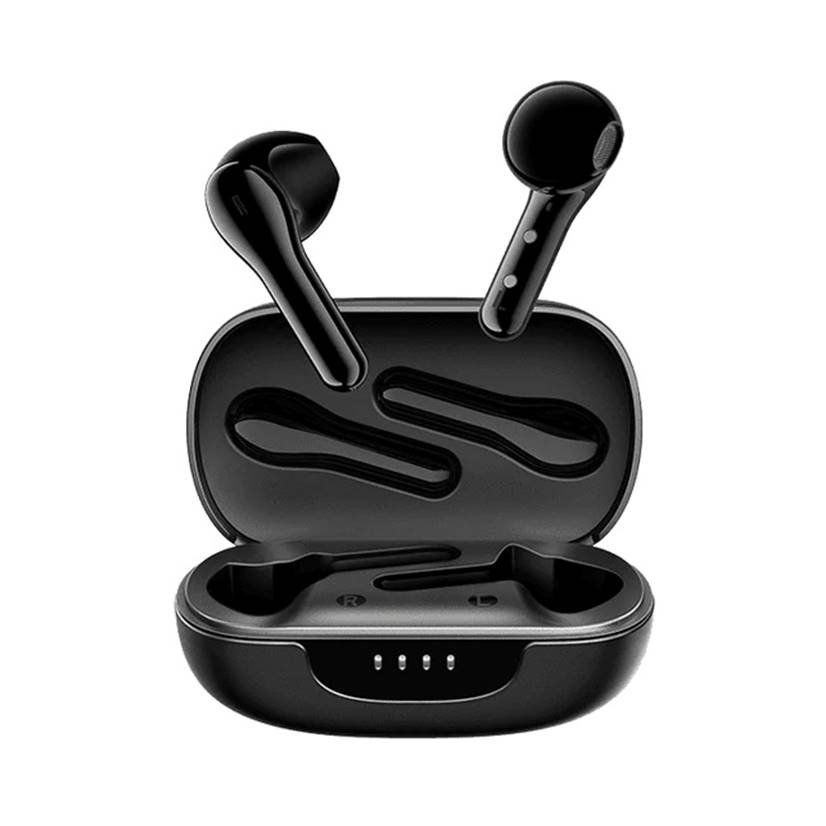
Samsung Y100 vs Tribit FlyBuds C2
Advertisement
| Specification | ||
|---|---|---|
| Price | Rs.6,699.00 |
Rs.6,533.10 |
| Brand | Samsung |
Tribit |
| Model No | Y100 |
FlyBuds C2 |
| Wired / Wireless | Wireless Headphone Specification |
Wireless Headphone Specification |
| Headphone Type | In Ear |
In Ear |
| Magnet Type | Dynamic |
Dynamic |
| Driver Diameter | NA |
13 mm |
| Impedance | 16 ohm |
NA |
| Sensitivity | 116dB SPL |
NA |
| Frequency Response | 20 Hz - 20000 kHz |
20 Hz - 48000 Hz |
| Maximum Power Input | NA |
5V / 1A |
| Wireless / Bluetooth Details | ||
| Wireless Technology | Bluetooth |
Bluetooth |
| Bluetooth Version | 4.1 |
5.2 |
| Compatible Profiles | All Bluetooth Devices |
All Bluetooth Devices |
| Supported Codecs | A2DP, AVRCP, HFP |
aptX , AAC, SBC |
| Battery Type | Polymer Li-ion Batteries |
Lithium-ion Batteries |
| Bluetooth Range | 10 Meters |
10 Meters |
| Battery Life | 8 Hours |
32 Hours |
| Charging Time | 2 Hours |
2 Hours |
| Noise Cancelling | NA |
CVC |
| Available Colors | Black, Blue, Green, Pink, Gold |
Black |
| Connector Plating | NA |
NA |
| Cable | USB Charging Cable |
USB-C-To-USB-A Charging Cable |
| Weight | 15.6 gm |
44.0 Gm |
| Other Features | AKG signature sound. Multi-Point Connectivity. Ambient Aware technology. Comfortable, foldable design. Clear calls and one-button control. An award-winning listening experience. Control both your music and your calls with a single remote. |
Upgraded Faster Charging. Fast and Stable Connection. Crystal Clear, High Quality Calls. FlyBuds C2 features a classic half in-ear design with large 13mm drivers that were designed to sit comfortably in the ears without causing pain or discomfort after long periods of wear. FlyBuds C2 wireless Bluetooth earbuds feature the latest Qualcomm QCC3040 chip, aptX high-quality audio decoding, and up to 48KHz frequency to provide listeners with detailed audio, punchy bass and a stunning stereo sound. |
Advertisement
Compare Samsung Y100 with:
Compare Tribit FlyBuds C2 with:
Top Differences
- Battery Life: 8 Hours vs 32 Hours
- Noise Cancelling: NA vs CVC
- Driver Size: NA vs 13 mm
- Bluetooth: 4.1 vs 5.2
- Weight: 15.6 gm vs 44.0 Gm
Advertisement