 ALERT
ALERT
Samsung Y100 vs Tribit FlyBuds C1 Pro
Advertisement
| Specification | ||
|---|---|---|
| Price | Rs.6,699.00 |
Rs.6,533.10 |
| Brand | Samsung |
Tribit |
| Model No | Y100 |
FlyBuds C1 Pro |
| Wired / Wireless | Wireless Headphone Specification |
Wireless Headphone Specification |
| Headphone Type | In Ear |
In Ear Canal |
| Magnet Type | Dynamic |
Dynamic |
| Driver Diameter | NA |
10 mm |
| Impedance | 16 ohm |
16 ohm |
| Sensitivity | 116dB SPL |
93dB SPL |
| Frequency Response | 20 Hz - 20000 kHz |
20 Hz - 20000 Hz |
| Maximum Power Input | NA |
DC 5V |
| Wireless / Bluetooth Details | ||
| Wireless Technology | Bluetooth |
Bluetooth |
| Bluetooth Version | 4.1 |
5.0 |
| Compatible Profiles | All Bluetooth Devices |
All Bluetooth Devices |
| Supported Codecs | A2DP, AVRCP, HFP |
AAC, SBC |
| Battery Type | Polymer Li-ion Batteries |
Lithium-ion Batteries |
| Bluetooth Range | 10 Meters |
10 Meters |
| Battery Life | 8 Hours |
8 / 36 Hours |
| Charging Time | 2 Hours |
2 Hours |
| Noise Cancelling | NA |
Hybrid ANC |
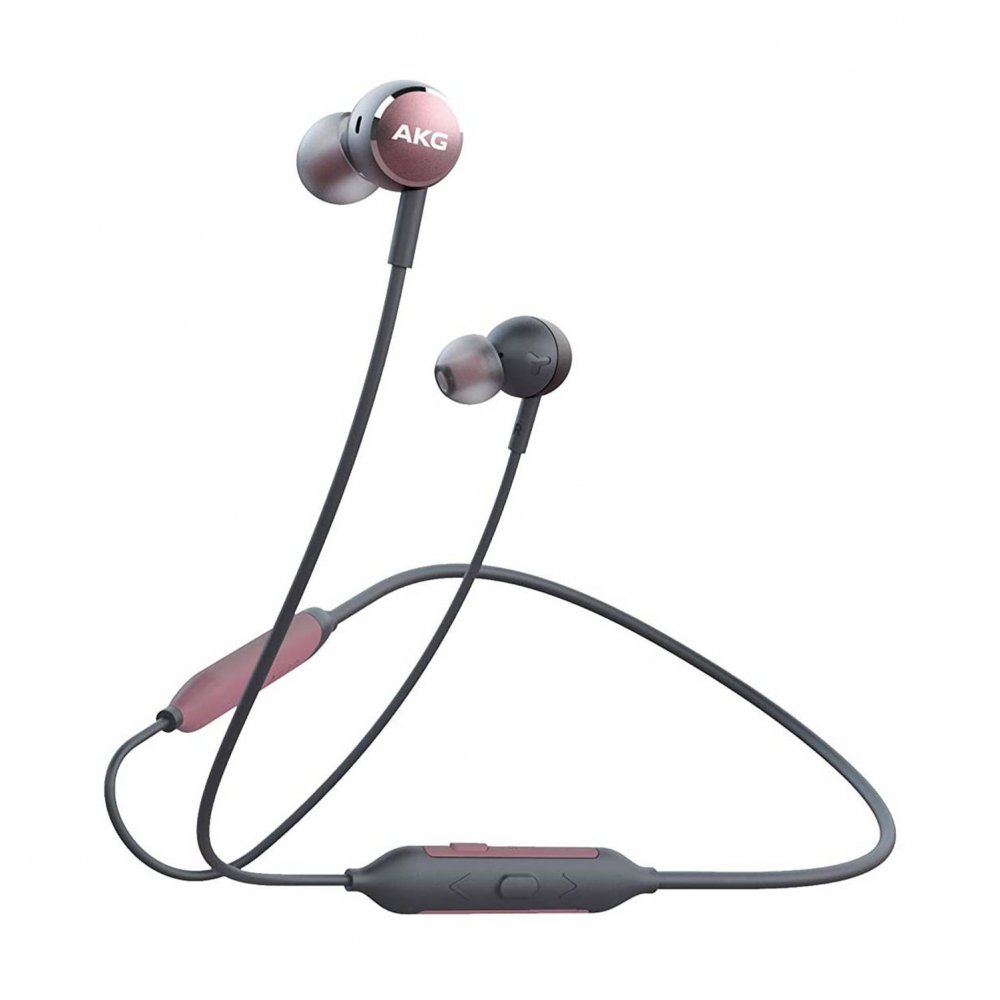
| Available Colors | Black, Blue, Green, Pink, Gold |
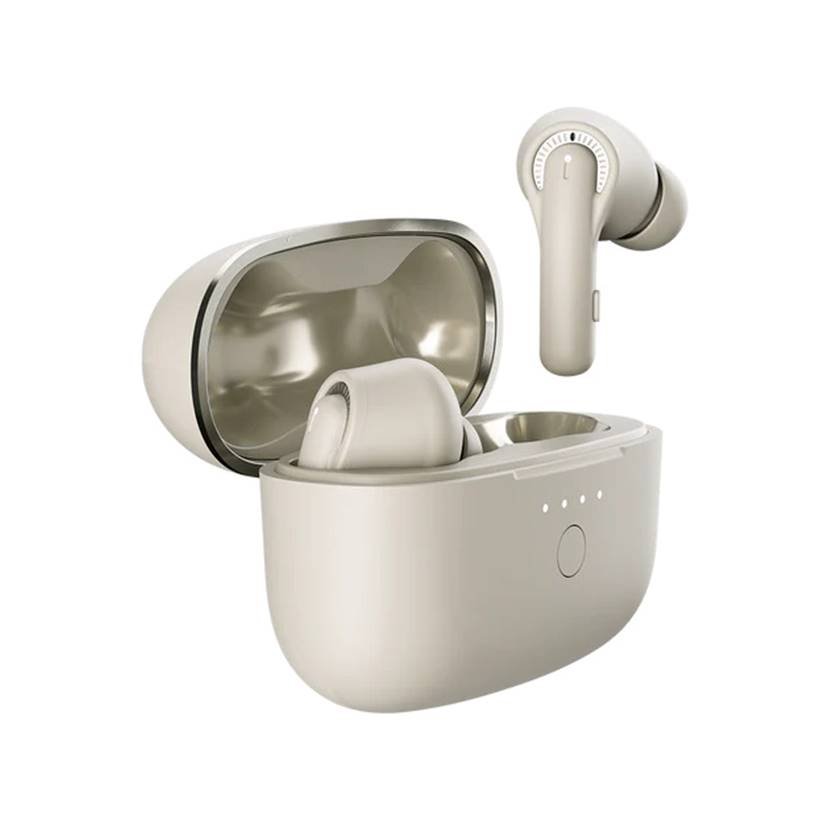
Black, White |
| Connector Plating | NA |
NA |
| Cable | USB Charging Cable |
USB-C-To-USB-A Charging Cable |
| Weight | 15.6 gm |
51.8 Gm |
| Other Features | AKG signature sound. Multi-Point Connectivity. Ambient Aware technology. Comfortable, foldable design. Clear calls and one-button control. An award-winning listening experience. Control both your music and your calls with a single remote. |
6 Mics & ENC for Perfect Calls. Hybrid ANC, Listen to the Difference. AUDIODOâ„¢, for Your Unique Hearing. 8 hours of playtime on a single charge. IPX4 waterproof and weather-resistant. Tribit True Soundâ„¢, Love What You Hear. Immerse you in the dynamic music world. Transparency Mode, Sense the Surrounding. Extraordinary CMF Design, Sophisticated Style. The in-ear design fills the ear canal well and blocks the outside noise physically. The earbuds deliver a whopping up to 36 hours of listening time between the charging case and buds. The Tribit C1 Pro Earbuds feature a signature Mechanical Press Button instead of the traditional touch interface. With the C1 Pro, we added special antibacterial ingredients to the ear tips material to prevent bacteria. Enjoy the music and stay away from the bacterial issues. |
Advertisement
Compare Samsung Y100 with:
Compare Tribit FlyBuds C1 Pro with:
Top Differences
- Noise Cancelling: NA vs Hybrid ANC
- Driver Size: NA vs 10 mm
- Bluetooth: 4.1 vs 5.0
- Weight: 15.6 gm vs 51.8 Gm
Advertisement