 ALERT
ALERT
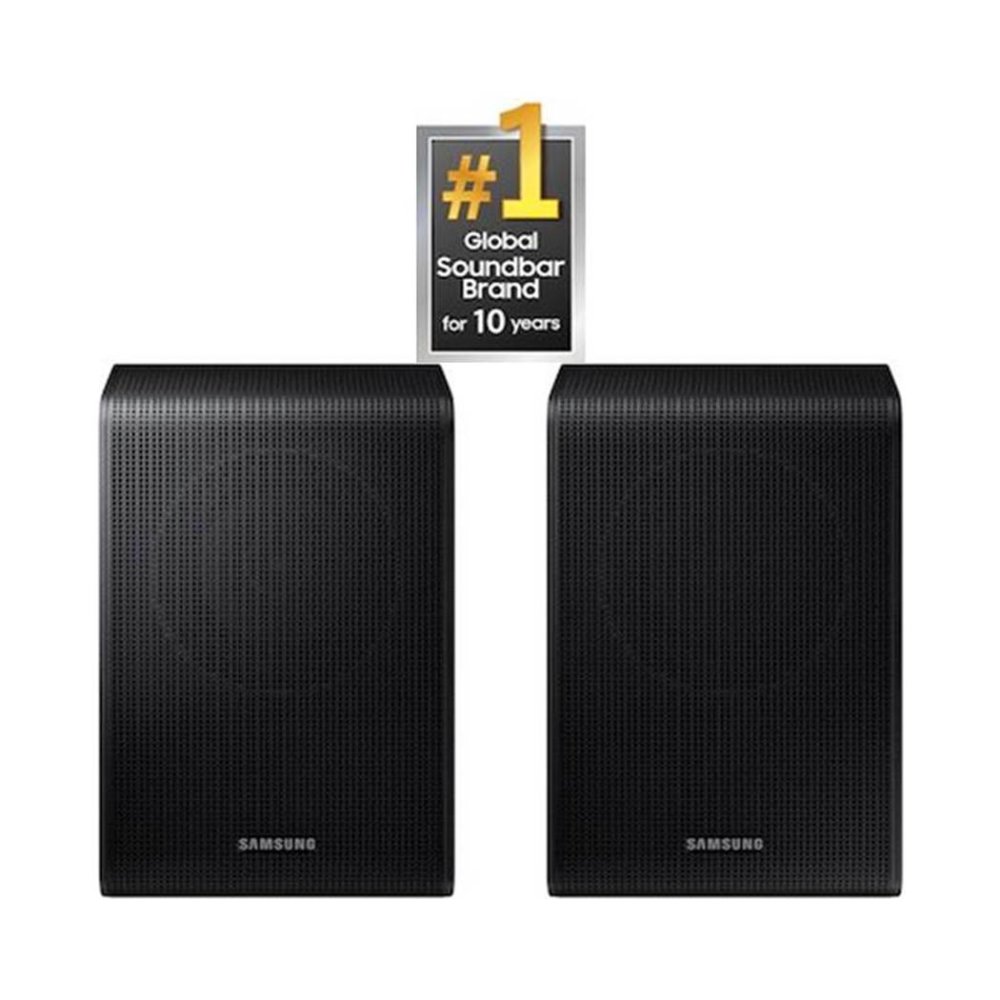
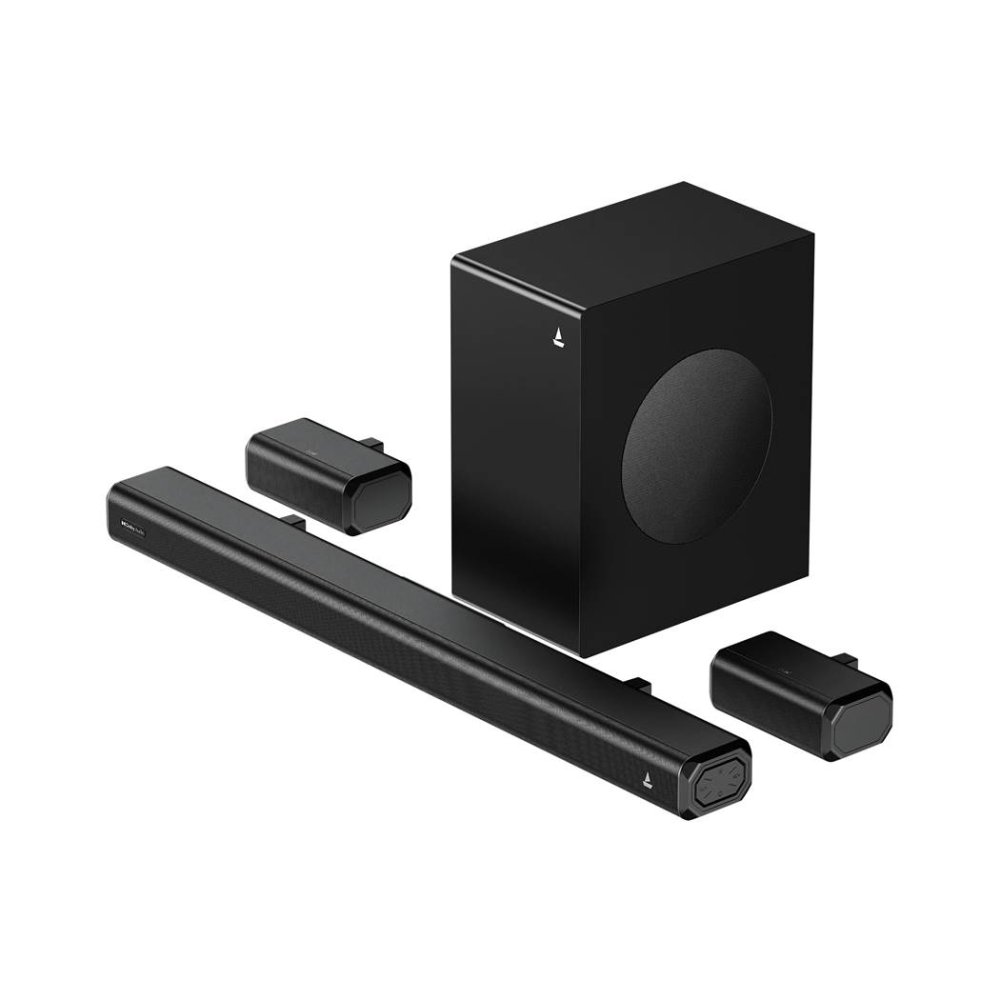
Samsung SWA-9200S vs boAt Aavante Prime Beat
Advertisement
| Specification | ||
|---|---|---|
| Price | 12842.59 |
12999.00 |
| Brand | Samsung |
boAt |
| Model No | SWA-9200S |
Aavante Prime Beat |
| Wired / Wireless | Home Theatre Speaker Specification |
Home Theatre Speaker Specification |
| Driver Type | Dynamic |
Digital Audio Power Amplifier |
| Driver Diameter | NA |
Sound Bar : 50.8 mm X 4 Subwoofer : 165.1 mm Satellite : 48.26 mm + 38.1 mm |
| Impedance | NA |
4Ω + 8Ω |
| Sensitivity | NA |
Sound Bar : 800mV±50mV Subwoofer : 400mV±50mV |
| Frequency Response | 20 KHz |
35Hz - 20KHz |
| Maximum Power Input | NA |
AC 110~240V, 50/60Hz |
| Maximum Power Output | 60 W ( RMS ) Front-Firing Rear Speakers Surround Sound Channel Configuration : 2.0 |
500 W ( RMS ) Surround Sound Channel Configuration : 5.1 |
| Signal to Noise Ratio | NA |
≥68dB |
| Noise Cancelling | ||
| Aux Connectivity | No |
Yes |
| Weight | Main Unit : 0.81Kg SPK Net Weight : 0.81 Kg Shipping Weight : 2.40 Kg |
Unit Weight : 5.74 Kg |
| Dimensions | Packing Size : 195.58 mm X 157.48 X 345.44 mm Rear Speaker : 104.14 mm X 152.4 mm X 104.14 mm |
Satellite : 170 mm X 90 mm X 67 mm Sound Bar : 870 mm X 90 mm X 67 mm Subwoofer : 371 mm X 308 mm X 190 mm |
| Available Colors | Black |
Black |
| Accessories | Samsung SWA-9200S Home Theatre Speaker |
boAt Aavante Prime Beat Home Theatre Speaker 1 UNIT Soundbar 1 UNIT User Manual 1 UNIT Power Cable 1 UNIT AUX-IN Cable 1 UNIT Wall Mount Kit 2 UNITS AAA Batteries 1 UNIT Remote Control 1 UNIT Wired Subwoofer 2 UNITS Wired Satellite Speakers |
| Other Features | Samsung Bluetooth Speaker. Product Type : Home Theater System. Connect easily and wirelessly to optional Samsung speakers for room-filling sound. Wirelessly connect 2.0 Ch 3 front-firing rear speakers to compatible Samsung soundbars. |
Master Remote : Settle into your spot and use the master remote to modify the sound. Change the volume, EQ mode, and more without getting up. Sleek Build With Easy Mounting : Upgrade your audio zone with the attractive design of this soundbar. Place it in the TV cabinet or mount it on the wall to save space. Cinematic Sound W/Dolby Atmos : Step into a new dimension of entertainment with Dolby Atmos, creating a dynamic 3D soundscape that surrounds and elevates your senses. Multi Connectivity : Stay seamlessly connected with Bluetooth v5.3 for a faster and more stable wireless experience, or go wired with options like HDMI eARC, USB, AUX, and Optical. Please Note : TV sound output needs to be set to ‘Auto’ so that it can send the right source format to the soundbar for playing a 5.1 Dolby or Atmos content. Otherwise it will default to 2.0 stereo. EQ Modes : Choose your vibe with precision-tuned EQ modes for every occasion. Whether it’s the dramatic score of an action film, the subtle tones of a news broadcast, or your favorite playlist, this soundbar adapts to optimize clarity and impact. 500W, 5.1Channel : Experience the commanding presence of 500W RMS output with boAt Signature Sound, meticulously engineered to deliver deep bass, crisp highs, and balanced mids. This soundbar system includes a 5.1 channel configuration, consisting of a dedicated wired subwoofer and dual rear satellites, immersing you in audio from all directions. |
Advertisement
Compare Samsung SWA-9200S with:
Compare boAt Aavante Prime Beat with:
Top Differences
- Sound Output: 60W vs 500W
- Channels: 60 vs 500
- Dolby Atmos: No vs Yes
- Bluetooth Version: NA vs ( 5.3 )
- Frequency Response: 20 KHz vs 35Hz - 20KHz
Advertisement