 ALERT
ALERT
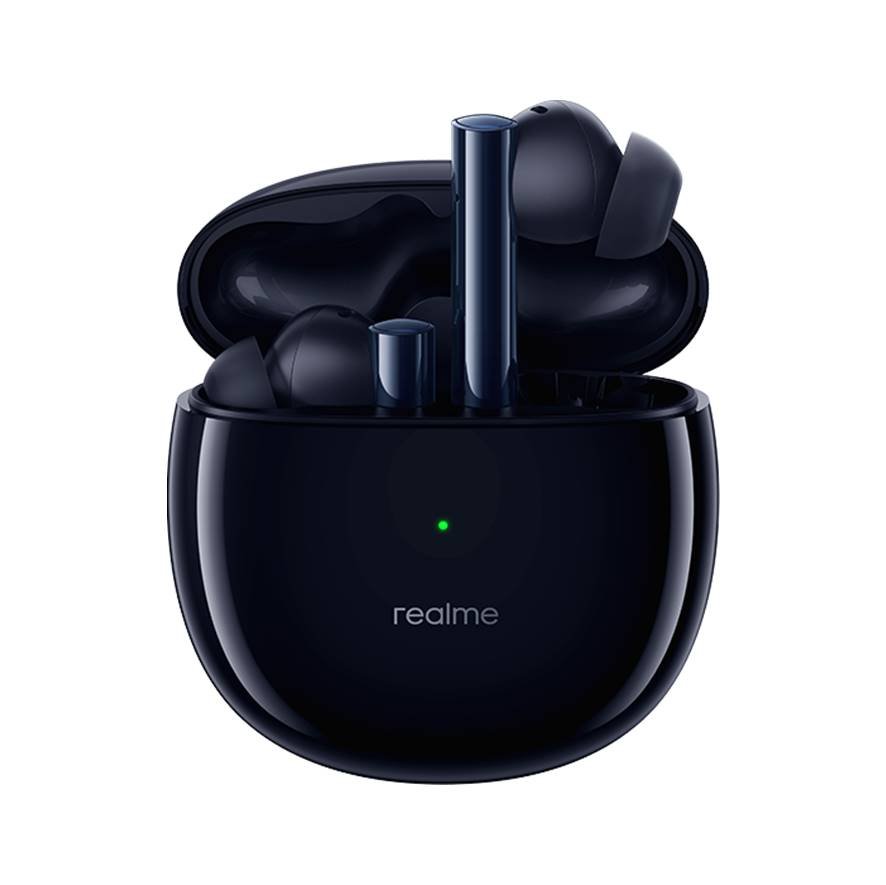
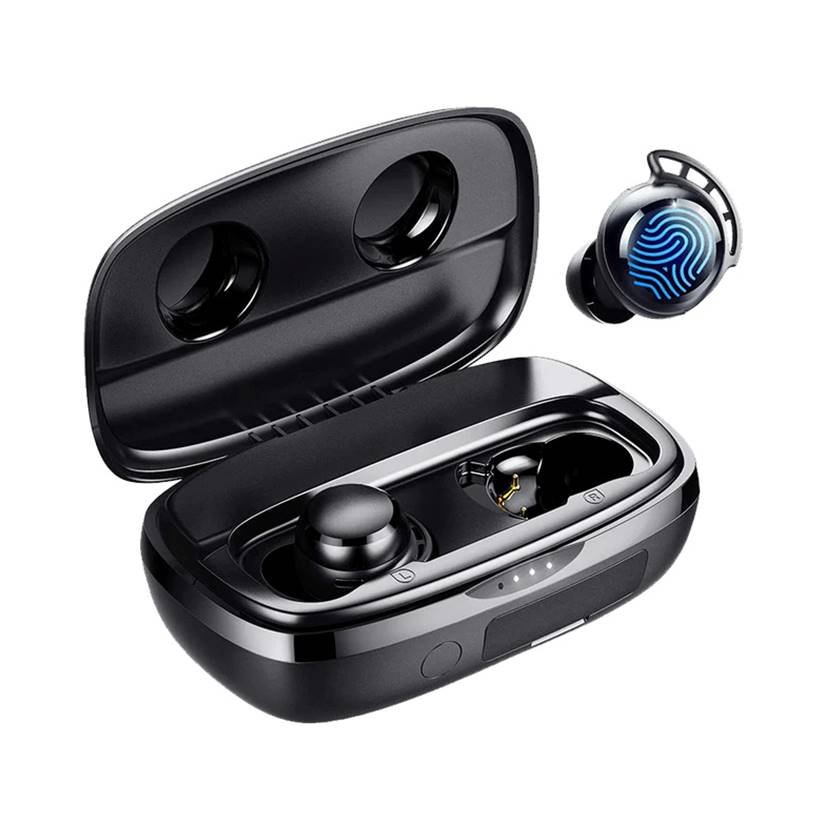
Realme Buds Air 2 vs Tribit FlyBuds 3
Advertisement
| Specification | ||
|---|---|---|
| Price | Rs.3,299.00 |
Rs.3,267.08 |
| Brand | Realme |
Tribit |
| Model No | Buds Air 2 |
FlyBuds 3 |
| Wired / Wireless | Wireless Headphone Specification |
Wireless Headphone Specification |
| Headphone Type | In Ear Canal |
In Ear |
| Magnet Type | Dynamic |
Dynamic |
| Driver Diameter | 10 mm |
6 mm |
| Impedance | NA |
16 Ohm |
| Sensitivity | 25 dB |
NA |
| Frequency Response | 100 To 20000 Hz |
20 Hz - 20000 Hz |
| Maximum Power Input | NA |
5V |
| Wireless / Bluetooth Details | ||
| Wireless Technology | Bluetooth |
Bluetooth |
| Bluetooth Version | 5.2 |
5.0 |
| Compatible Profiles | All Bluetooth Devices |
All Bluetooth Devices |
| Supported Codecs | AAC, SBC |
SBC, AAC |
| Battery Type | Lithium-ion |
Lithium-ion Batteries |
| Bluetooth Range | 10 Meters |
10 Meters |
| Battery Life | 25 Hours |
100 Hours |
| Charging Time | 2 Hours |
2 Hours |
| Noise Cancelling | ANC + ENC |
Passive |
| Available Colors | Black, White, Green, Gold |
Black, White, Pink |
| Connector Plating | NA |
NA |
| Cable | Type-C USB Cable |
USB-C-To-USB-A Charging Cable |
| Weight | 50 Gm |
106.2 Gm |
| Other Features | IPX5 Water Resistant. Light and Easy to Wear. A New Generation of Gaming. 10mm Diamond-like Carbon Driver. Multiply Efficiency with Dual-channel Transmission. All devices undergo rigorous testing to ensure durability and quality. The Buds Air 2 is equipped with dual microphones for superior sound pickup. The new realme R2 intelligent noise cancellation chip combines powerful performance with ultra-low power consumption for a stable connection and a new wireless experience. |
The fundamentals of design are done right. Every kick, bassline, and drop is delivered with a massive thump which you can feel. FlyBuds 3 makes you experience 100 hours playtime that enabled by the charging case without recharging within 20 days! Bluetooth 5.0 ensures uncompromised, fast, and stable connectivity. USB-C charging allows you a trouble-free charging experience in the dimmest of lights. IPX7 Waterproof rating allows you to stretch your adventurous limits while making sure that you don't panic. Whether water, dust, or snow, bring it on! It's time that you explore, more. |
Advertisement
Compare Realme Buds Air 2 with:
Compare Tribit FlyBuds 3 with:
Top Differences
- Battery Life: 25 Hours vs 100 Hours
- Noise Cancelling: ANC + ENC vs Passive
- Driver Size: 10 mm vs 6 mm
- Bluetooth: 5.2 vs 5.0
- Weight: 50 Gm vs 106.2 Gm
Advertisement