 ALERT
ALERT
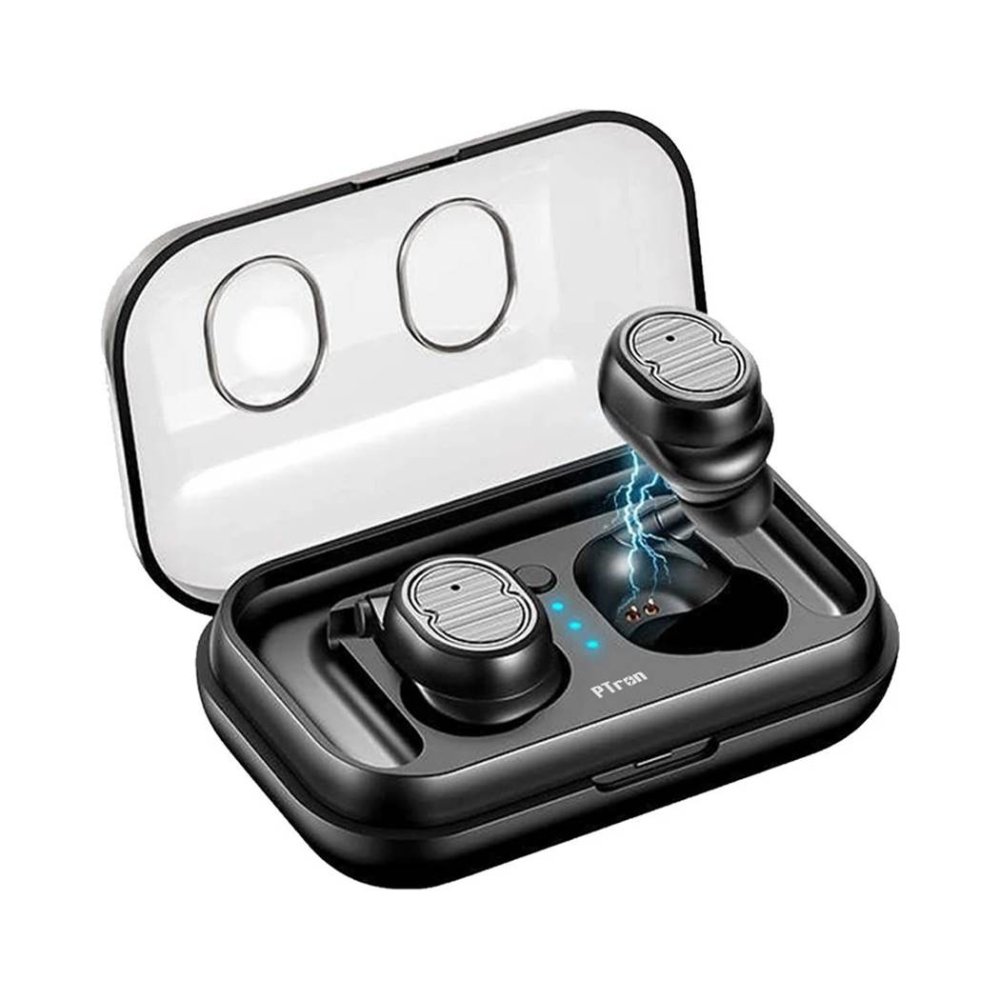
pTron Spunk vs Philips SHB1805WT/10
Advertisement
| Specification | ||
|---|---|---|
| Price | Rs.2,549.00 |
Rs.2,499.00 |
| Brand | pTron |
Philips |
| Model No | Spunk |
SHB1805WT/10 |
| Wired / Wireless | Wireless Headphone Specification |
Wireless Headphone Specification |
| Headphone Type | In Ear |
In Ear Canal |
| Magnet Type | Dynamic |
Neodymium |
| Driver Diameter | 10 mm |
10 mm |
| Impedance | 32 Ohms |
16 ohm |
| Sensitivity | 102dB±3dB |
95 dB |
| Frequency Response | 20Hz - 20KHz |
20 Hz - 20000 kHz |
| Maximum Power Input | DC 5V 1A |
50 mW |
| Wireless / Bluetooth Details | ||
| Wireless Technology | Bluetooth |
Bluetooth |
| Bluetooth Version | 5.0 |
4.0 |
| Compatible Profiles | All Bluetooth Devices |
All Bluetooth Devices |
| Supported Codecs | AAC, SBC |
A2DP, AVRCP, HSP, HFP |
| Battery Type | Lithium-Polymer Batteries |
Lithium Polymer Batteries |
| Bluetooth Range | 10 Meters |
10 Meters |
| Battery Life | 4 Hours |
4 Hours |
| Charging Time | 1.5 Hours |
1 Hours |
| Noise Cancelling | Sound Isolation |
NA |
| Available Colors | Black, Red |
Black, White |
| Connector Plating | NA |
NA |
| Cable | Micro USB Charging Cable |
USB Charging Cable |
| Weight | 50 GM |
13 gm |
| Other Features | Hi-Fi Sound Quality of the PTron Spunk earbuds gives superb sound output. Crystal clear bass, sharp and clear music, and voice so that you don’t miss a note or skip hearing an important phone call. IPX5 Water & Sweatproof, your PTron Spunk can take an accidental spray of water, light rain and is sweatproof. So go on that hike, jog, workout at the gym and don’t worry about ruining your earbuds. Ultra-compact Size PTron Spunk just weighs 50g, carry it conveniently in its case everywhere you go. You won’t feel the weight whether you are on your morning commute or hiking – it's ready when you are. Advanced Bluetooth v5.0, gives you faster connectivity, no loss of sound and a wider range so you can continue to do the things you love without a break. It’s meant for you, the unstoppable Gen Z consumer. Ergonomic In-Ear Premium Design of the compact earbuds fits comfortably in your ears. You may even forget you are wearing them, they are that snug. High-quality materials that ensure these earbuds last long. 4 Hours of Music Time with the mighty 140mAh battery (70mAh in each earbud) of the PTron Spunk with 160 hours of standby time. With a charging time of fewer than two hours, get more out of your Spunk over an active day. Inbuilt Mic for Hands-free Experience while driving, catching public transport or exercising. Continue to do the things you love as you carry on a conversation. The inbuilt mic is easy to operate whatever you are doing. Touch Controls are so convenient, just tap to power on/off, pair, play music, take or end a call or reject them. Keep your hands free for browsing your phone, working, driving, biking or getting in and out of public transport. Noise-canceling Earbuds cut off the background noise on the bus or train, at a noisy restaurant or in crowds. Hear your music or take a call without losing beats or conversation with the excellent noise-canceling technology only from PTron. |
Wireless freedom, powerful sound. Tuned to re-produce powerful sound. Built-in microphone with volume control. Dynamic 10 mm drivers deliver deep bass. Tangle proof cable for durability and easy storage. Hassle-free magnetic ear-tips allow freedom to carry. Designed ergonomically for a comfortable & secure fit. Extended soft rubber ear caps to channel bass to ear canal. Freedom to switch between music & calls with a single button. |

Advertisement
Compare pTron Spunk with:
Compare Philips SHB1805WT/10 with:
Top Differences
- Noise Cancelling: NA vs Sound Isolation
- Bluetooth: 4.0 vs 5.0
- Weight: 13 gm vs 50 GM
- Impedance: 16 ohm Vs 32 Ohms
Advertisement