 ALERT
ALERT
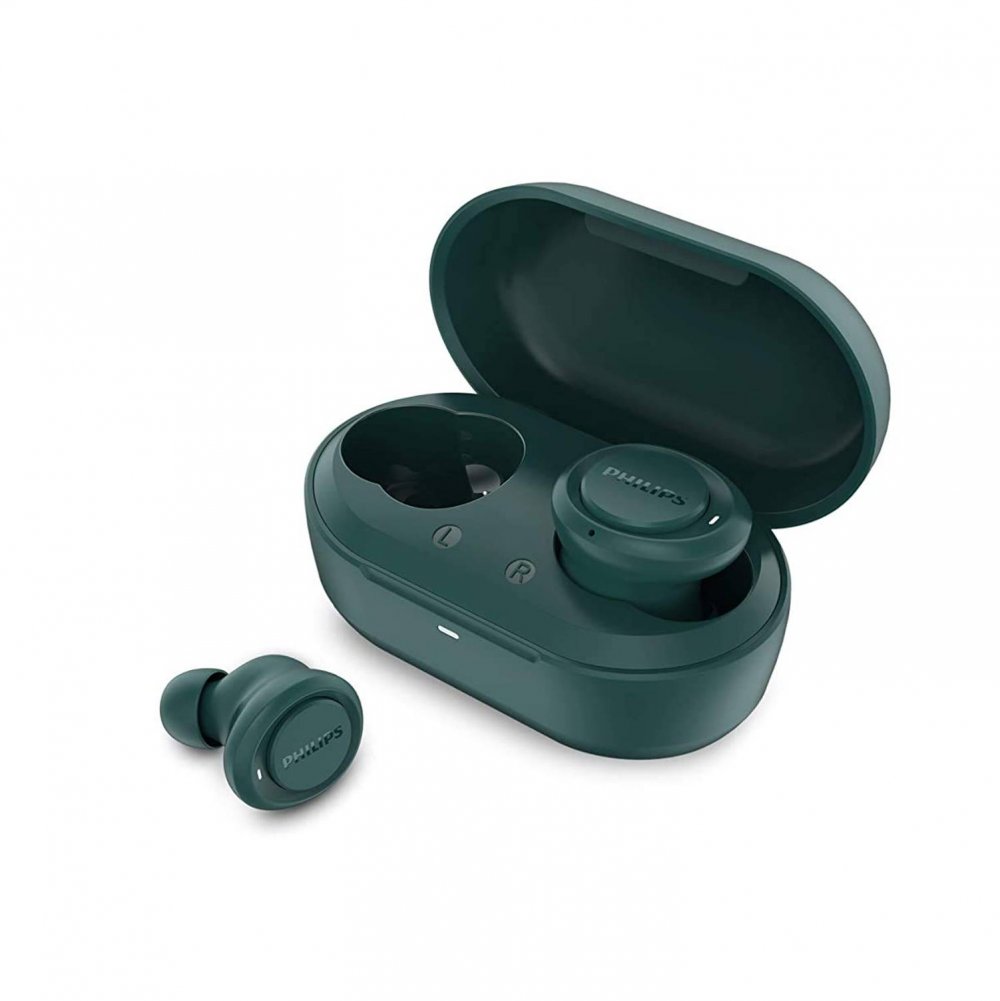
Philips TAT1225BL/94 vs boAt Airdopes Prime 512
Advertisement
| Specification | ||
|---|---|---|
| Price | Rs.4,999.00 |
Rs.4,990.00 |
| Brand | Philips |
boAt |
| Model No | TAT1225BL/94 |
Airdopes Prime 512 |
| Wired / Wireless | Wireless Headphone Specification |
Wireless Headphone Specification |
| Headphone Type | In Ear |
In Ear |
| Magnet Type | Neodymium |
Dynamic |
| Driver Diameter | 6 mm |
13 mm X 2 |
| Impedance | 16 ohm |
NA |
| Sensitivity | NA |
NA |
| Frequency Response | 20 Hz - 20000 kHz |
20Hz - 20KHz |
| Maximum Power Input | NA |
DC 5V |
| Wireless / Bluetooth Details | ||
| Wireless Technology | Bluetooth |
Bluetooth |
| Bluetooth Version | 5.1 |
6.1 |
| Compatible Profiles | All Bluetooth Devices |
All Bluetooth Devices |
| Supported Codecs | A2DP, AVRCP, Handsfree, HFP, HSP |
AAC, SBC |
| Battery Type | Lithium- Ion Batteries |
Lithium-Ion Batteries |
| Bluetooth Range | 10 Meters |
12 Meters |
| Battery Life | 6+12 Hours |
50 Hours |
| Charging Time | 1.5 Hours |
1 Hours |
| Noise Cancelling | NA |
Passive Noise Cancellation |
| Available Colors | Green |
Black, White, Brown |
| Connector Plating | NA |
NA |
| Cable | Micro USB-C Charging Cable |
USB Type-C Charging Cable |
| Weight | 60 gm |
80 GM |
| Other Features | Secure, comfortable fit. Snug, lightweight design. IPX4 splash- and sweat-resistant. Easily wake your phone's voice assistant. Earbud switches to control music and calls. Extremely convenient, super-small charging case. Small charging case for up to 18 hours play time. Built-in mic with echo cancellation for clear audio. 6 mm neodymium drivers. Clear sound, punchy bass. Smart pairing. Automatically find your Bluetooth device. |
Advanced Bluetooth v6.1 : Experience stable connectivity with B V6.1. Whether you’re streaming, gaming, or catching up on podcasts. 4 Mics With AI-ENx Technology: Enjoy crystal-clear calls anywhere with the 4 built-in mics boasting AI-ENx technology, your voice stays clear while background noise fades away. Gaming BEAST Mode : Stay ahead in every game when you activate BEAST mode. With low 50 ms latency, experience responsive, lag-free audio that keeps you locked into the action. Google Fast Pair : Just one tap connects your Airdopes to your Android device thanks to Google Fast Pair. Easily rename your buds or locate them if misplaced for added peace of mind. boAt Hearables App Support : Take control of your sound with boAt Hearables app support. Customize controls, switch EQ modes, and fine-tune your listening experience in just a few taps. 50 Hours Playback : Keep the music going with up to 50 hours of total playback. From binge-worthy playlists to marathon gaming sessions, Airdopes Prime 512 is built for non-stop entertainment. Pocketable ID : Designed for on-the-go jamming, Airdopes Prime 512 features a compact, pocket-friendly case. Slip it in your pocket and enjoy entertainment on flights, road trips, and daily commutes. Microsoft Swift Pair : Enjoy one-tap connection via on-screen pop-up with your Windows devices! Hop into work meetings in a jiffy when you connect your earbuds to a Windows laptop or PC instantly with Microsoft Swift Pair. Seamless Volume Swipe : Skip the hassle of reaching for your phone! Simply swipe on the earbud to adjust volume on the fly. boAt Airdopes Prime 512 TWS Earbuds deliver effortless, intuitive volume control right at your fingertips. Easy Multipoint Connectivity : Switch between work and entertainment without missing a beat. Multipoint connectivity lets you stay connected to your phone and laptop simultaneously for smooth transitions between calls, meetings, and media. |

Advertisement
Compare Philips TAT1225BL/94 with:
Compare boAt Airdopes Prime 512 with:
Top Differences
- Battery Life: 6+12 Hours vs 50 Hours
- Noise Cancelling: NA vs Passive Noise Cancellation
- Driver Size: 6 mm vs 13 mm X 2
- Bluetooth: 5.1 vs 6.1
- Weight: 60 gm vs 80 GM
Advertisement